‘Eyes on the creek’: Locals rally to protect shy Nambour platypuses
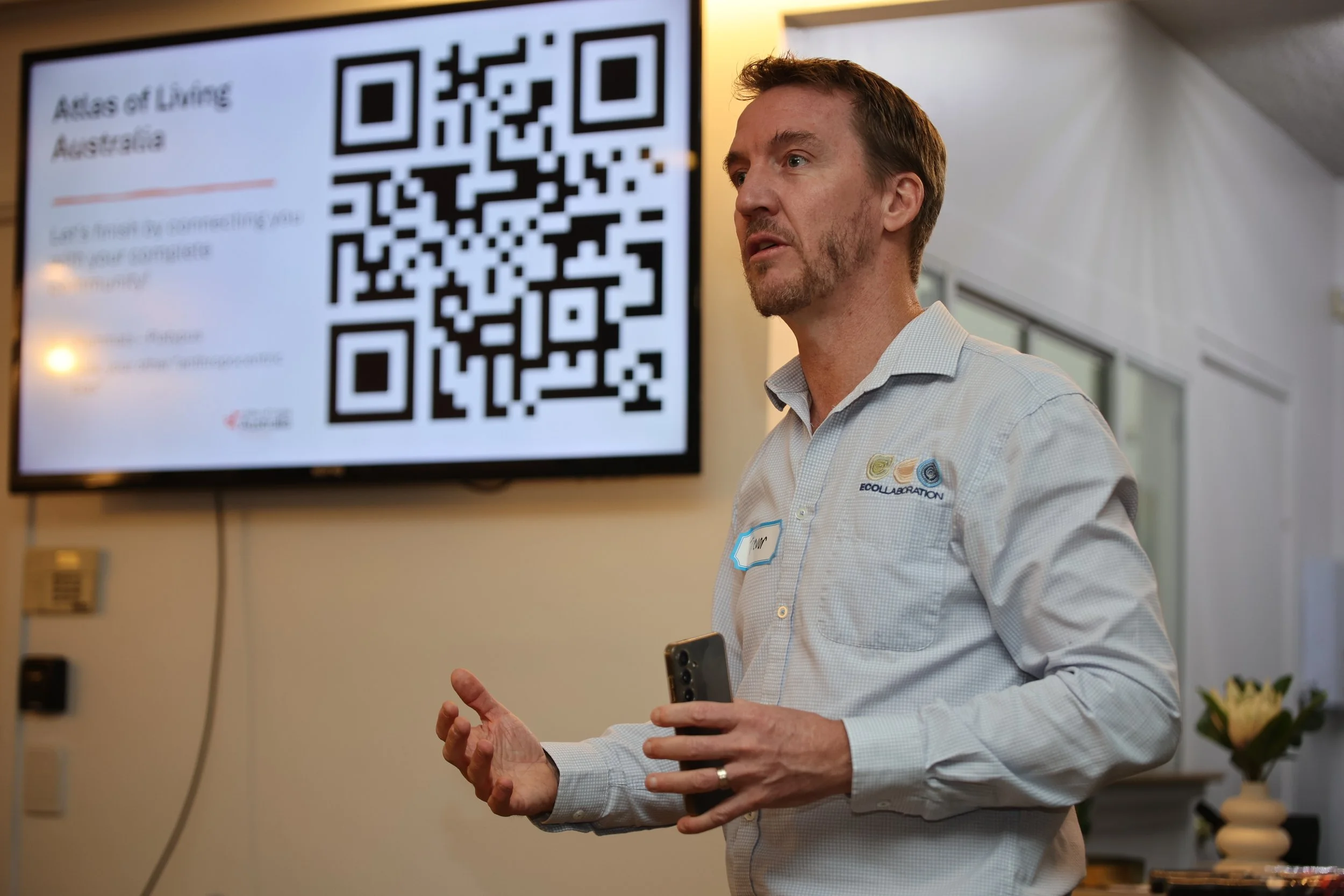
Platypus expert Trevor Morrison.
By Cameron Outridge
LOCAL volunteers are helping protect Nambour’s platypuses by keeping “eyes on the creek” and reconnecting with the waterways in their own backyard.
A quiet citizen science movement is gathering pace across the Sunshine Coast from Noosa to Nambour to the hinterland, and it’s powered by community affection for one of Australia’s most elusive mammals.
For Yandina-based environmental charity Ecollaboration, it’s a practical expression of its purpose: connecting people to nature through education and hands-on local action.
Trevor Morrison, Community Engagement and Education Manager with Ecollaboration, says the region is sitting on one of the Sunshine Coast’s strongest platypus populations, yet until recently, almost no one was routinely counting them.
“If you Google right now how many platypuses are in Australia, the best science available says somewhere between 30,000 and 300,000,” Mr Morrison said.
“That tells you everything you need to know. We don’t know enough.”
On the Sunshine Coast, he said, the problem was even sharper.
“We are actually in a black spot of data. Brisbane and the Gold Coast have communities that have been counting platypuses for years. We’ve conducted seasonal surveys but there hasn’t been a broader program.”
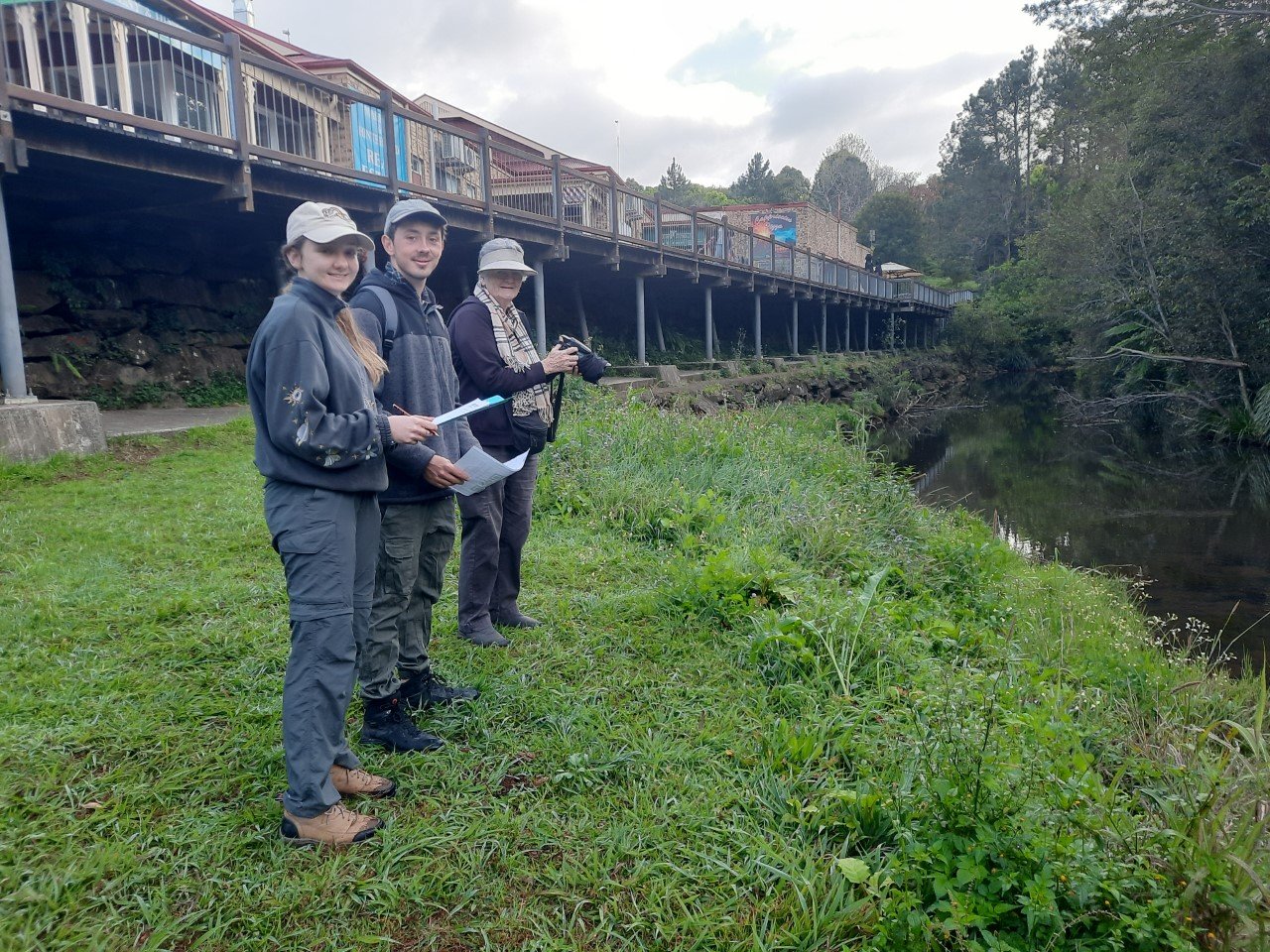
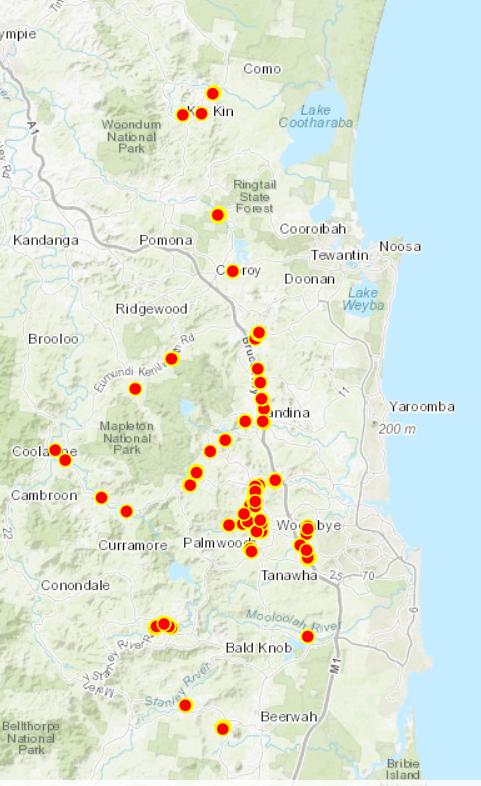
That gap led to PlatyTracker, a community-driven program inviting residents to survey local creeks once a fortnight and log sightings, and non-sightings, via an online platform accessible through the Ecollaboration website. After just four months, more than 300 surveys were completed across waterways including Petrie Creek, Paynters Creek, Eudlo Creek, and the wider Maroochy and Noosa catchments with over 10 different creek systems currently covered.
“If you pay an ecologist or environmental officer to do 300 surveys, that’s a lot of money,” Mr Morrison said.
“This is the wonderful thing about citizen science. It’s free. Volunteers make collecting this data possible. I know Ecollaboration’s CEO Tracey Tucker and I would love to see PlatyTracker reach 1,000 surveys in its first year.”
The verified sighting records will feed into WildNet, the state’s leading biodiversity database, meaning planners and development assessors can use the citizen science information as legitimate evidence when making decisions that affect waterways and habitat. But beyond the data, Mr Morrison says the real power of Platy-Tracker lies in the connection it builds between people and place.
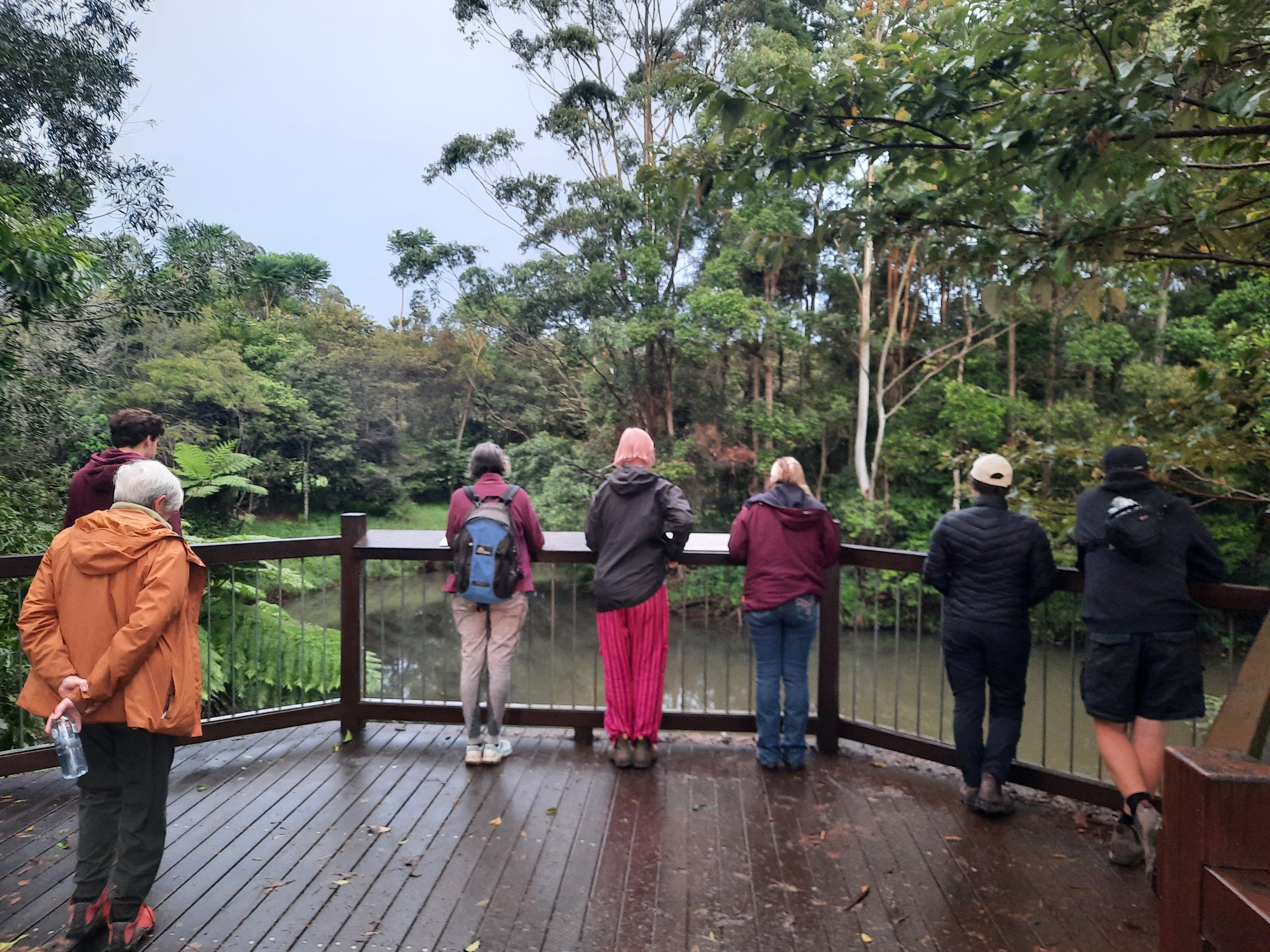
“We call it ‘having eyes on the creek’,” he said. “It’s about people reconnecting with the places they live alongside. When our volunteers go down and see rubbish, they pick it up. They’re emotionally connected to the creek because of the platypuses. That connection makes for great custodians.”
The work is already revealing fascinating behavioural patterns. Platypuses in Maleny, Mr Morrison said, appear far more relaxed around people than those in Nambour.
“In Maleny you’ll see them on the surface longer, playing, scratching, rolling. You’ll see multiple platypuses in the same area,” he said.
“In Nambour, if the platypus sees you, its activity is far more concentrated under the water and away from creek access points.”
One volunteer who has visited Petrie Creek at 5am almost daily for 10 years has seen a platypus leave the water only once.
“That’s a trained behaviour formed over decades of interactions,” Mr Morrison said, noting the shy behaviour may actually help keep Nambour platypus safe.
“In Tasmania, one of the leading killers of platypus is road kill. They’re confident leaving the water down there. Up here, in a more densely urban environment, they appear far more skittish.”
The data is also highlighting where platypuses are either absent or very low in abundance compared to neighbouring creeks, including stretches of the Mooloolah River when compared to the Maroochy, raising potential ecological questions about habitat condition and water quality. Mr Morrison said the threats facing platypuses are real and local. Enclosed “opera house” yabby traps, illegal in most other states but still legal in Queensland, were recorded as the single biggest cause of platypus deaths, based on the largest mortality study previously undertaken.
“They’ll get tangled in the net and they won’t get out,” he said. “If they’re highly stressed, they’ll only survive a handful of minutes under water.”
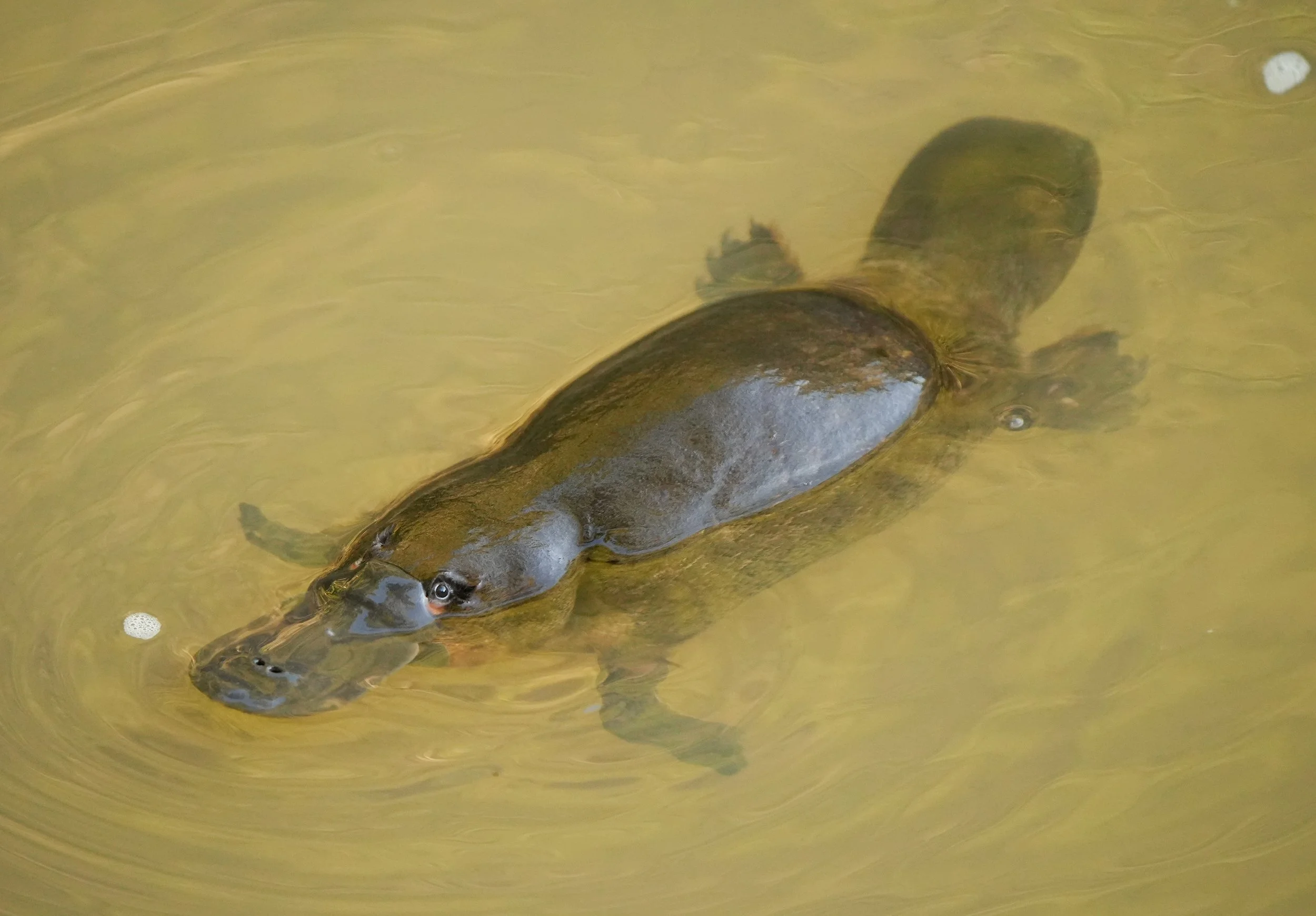
Habitat loss and erosion are also critical pressures on local populations. Platypuses feed by ruffling creek-bed rocks, with their beaks, to dislodge aquatic macroinvertebrates. They locate prey using electroreceptors in their bill with their eyes, ears and nose shut.
“They’ll do that up to 1500 times a day,” Mr Morrison said.
“They can eat up to a third of their body weight daily, and sometimes more in breeding season. They’re incredible eaters.”
While adult platypuses can tolerate relatively silty water, their food source is highly sensitive to water quality, which in turn makes platypus populations vulnerable to changes in creek condition.
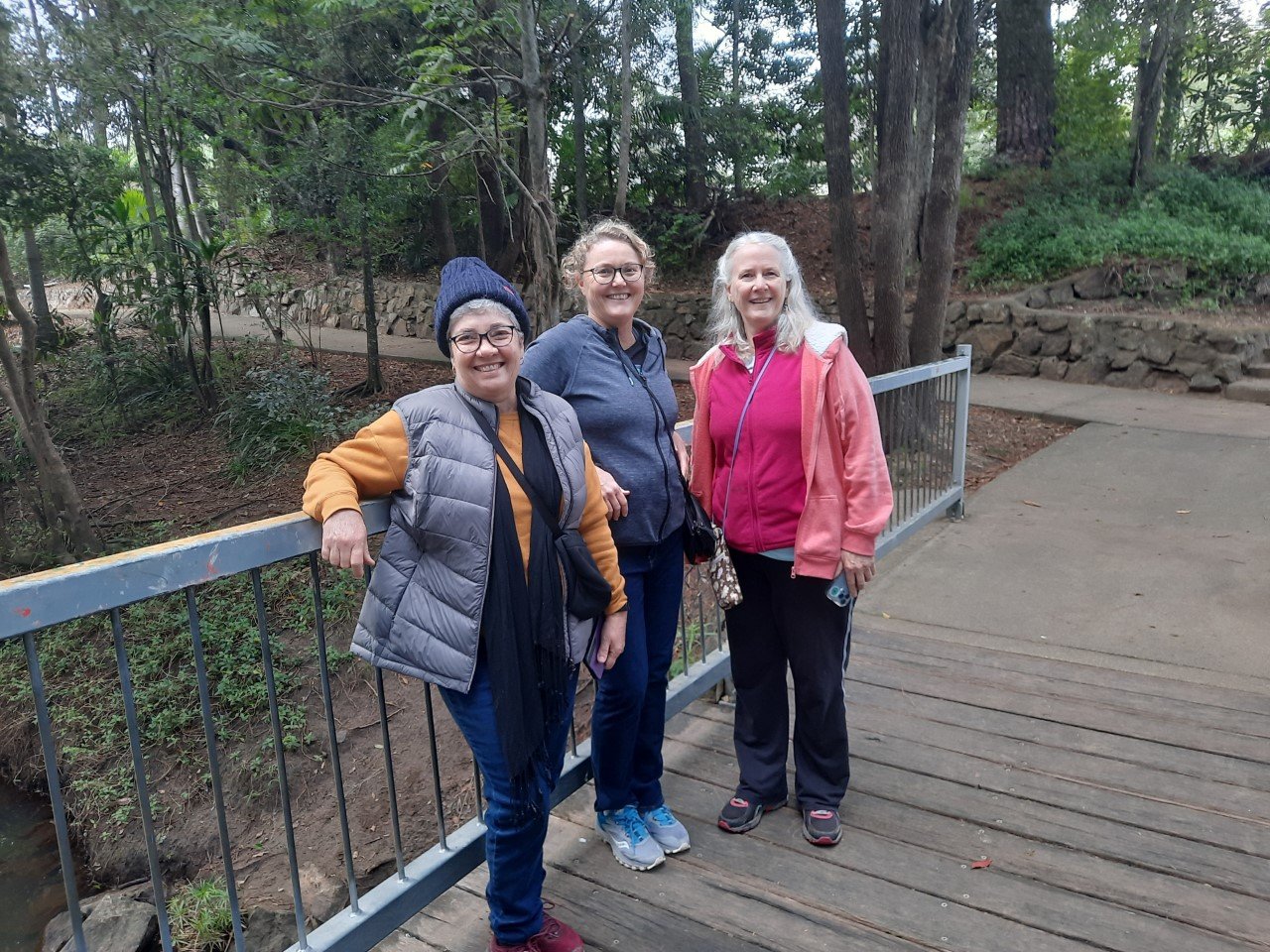
Platy-Tracker has already proved its value. On Australia Day, a 64-year-old volunteer conducting a survey spotted a juvenile platypus tangled in rope.
“She climbed down onto a branch, loosened the rope and freed it,” Mr Morrison said.
“The only reason that platypus was saved was because there were eyes on the creek, people who were connected enough to notice, care, and act. That moment really cemented for me that we are doing the right thing.”
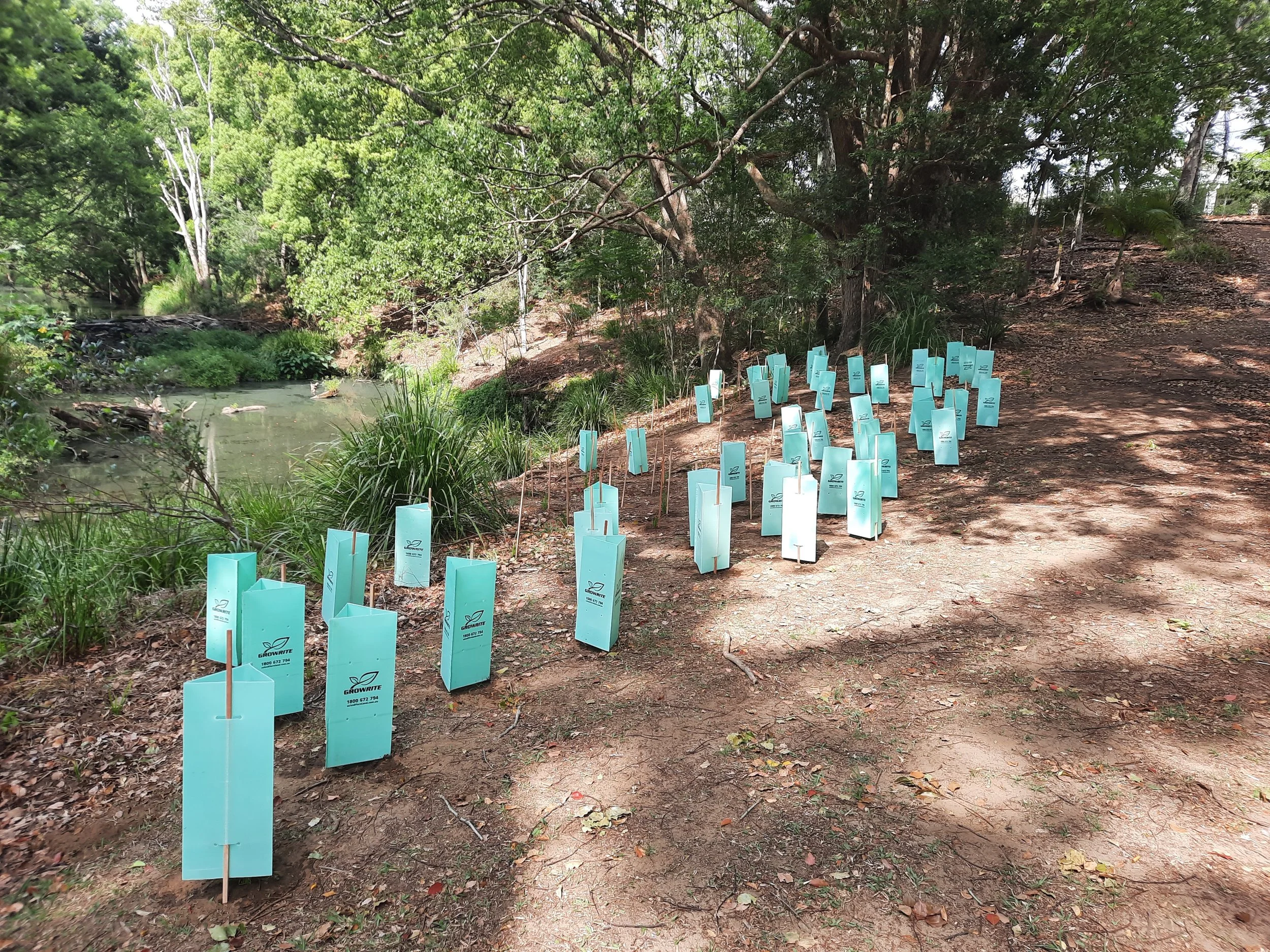
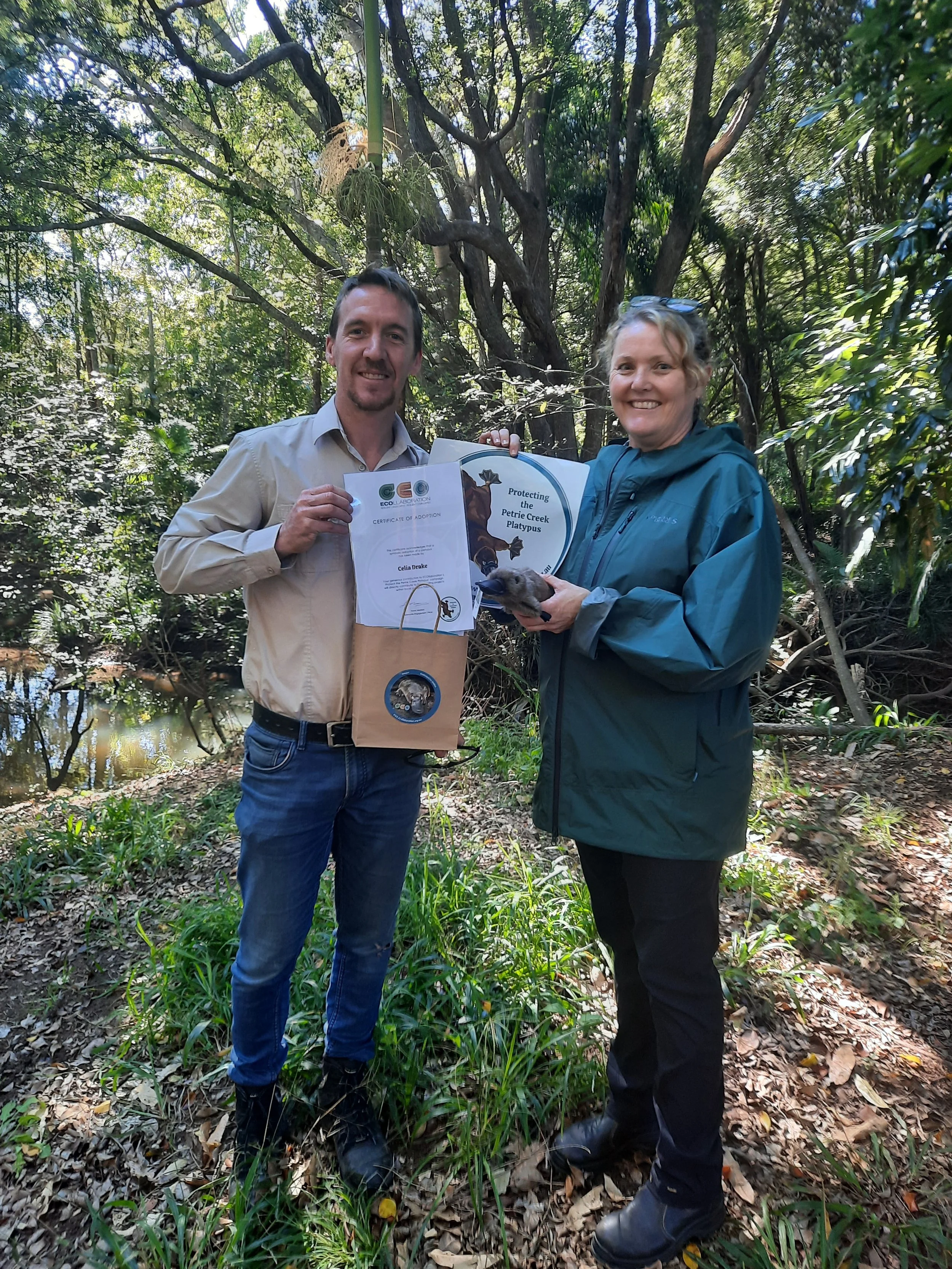
Ecollaboration has also used funds raised through its $70 “adopt a platypus” packs and donations from sponsorship partners to restore habitat, planting 1,000 native plants along Coes Creek in late 2025 to stabilise banks and improve burrowing conditions. The approach turns community connection into practical, on-ground environmental outcomes.
“We’re not going out there to save the entire world from ecological damage,” Mr Morrison said.
“But what if we help save our local platypus population? I’ll put in the hours for that.”
About PlatyTracker
PlatyTracker was launched in 2025. It’s an ongoing fortnightly volunteer-led platypus data collection program to help track and protect one of Australia’s most iconic and elusive native creatures.
While our existing seasonal platypus monitoring program consists of community survey events that raise awareness for conservation issues facing the platypus, PlatyTracker is a more rigorous and comprehensive data collection initiative whereby volunteers are trained to independently record platypus sightings and assess the condition of the surrounding habitat fortnightly (via a 20-minute survey time) across various Sunshine Coast creek and river sites.
The collected data will be uploaded to national databases that are used to inform governmental conservation decisions, particularly when determining the level of protection afforded to native species such as the platypus.
■ Residents can join Platy-Tracker and log sightings via the Ecollaboration website at www.ecollaboration.org.au/platytracker/