
How to help native birds in trouble
Wildlife News from Jennifer Berry
Wildlife Volunteers Assoc. Inc (WILVOS) 54416200 www.wilvos.org.au
Spring and the lead-up to summer storm season can be tough times for our native birds. Bird flu is also at our doorstep — or shoreline, more appropriately. So, what should you do if you come across a bird that is not looking well or is suffering an injury? You can call the WILVOS 24-hour Hotline on 07 5441 6200 for advice or practical assistance if you need help.
At this stage, there have been only two reported cases of bird flu in Queensland, both involving shorebirds. No other mass deaths have been reported to date. Unfortunately, birds can become sick or injured for other reasons and may need our help.
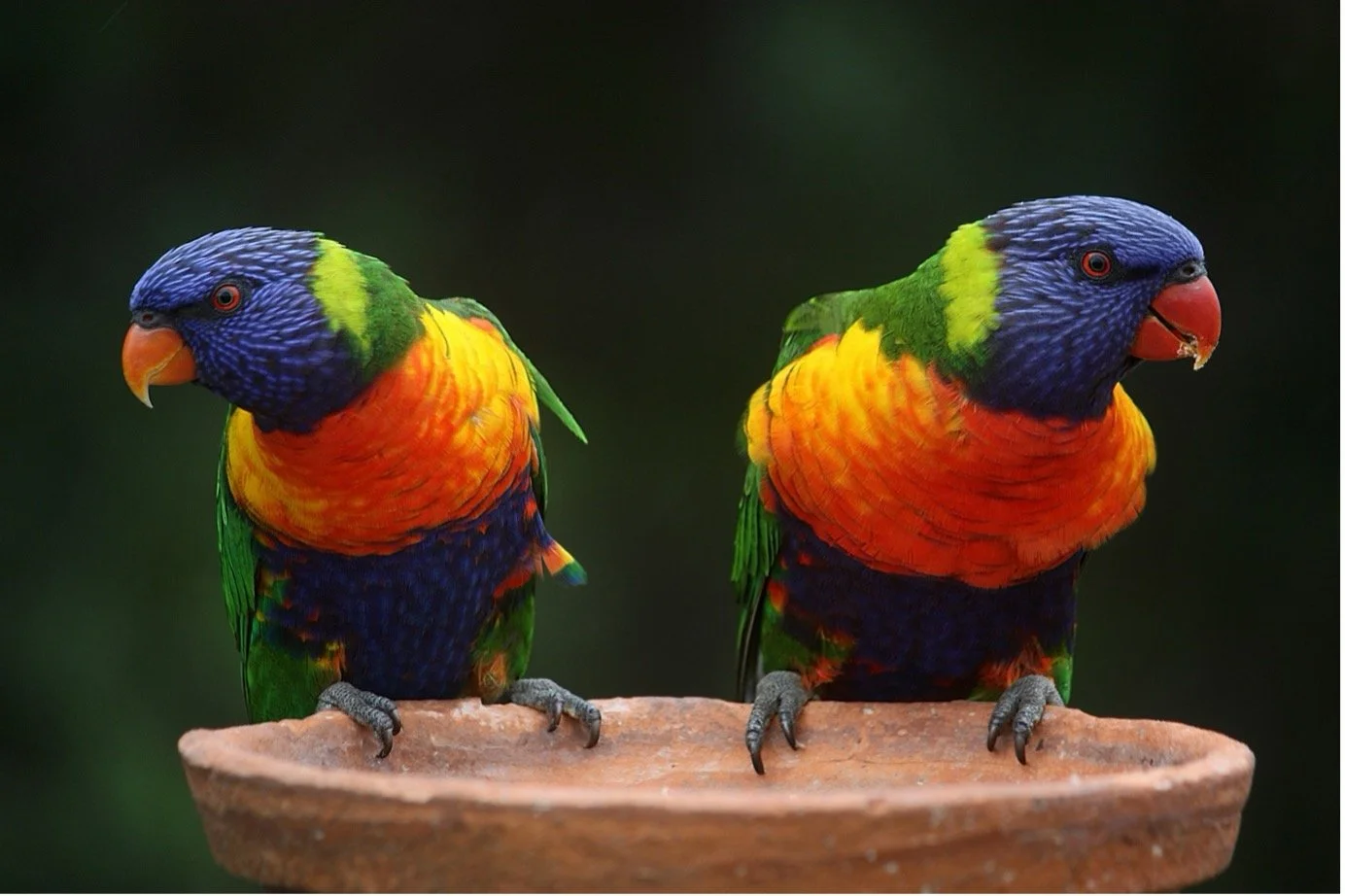
Rainbow Lorikeets can contract Lorikeet Paralysis Syndrome (LPS), with an unknown cause. Affected birds can appear with neurological symptoms such as paralysis, but they can be saved when treated promptly. Some waterbirds can also contract botulism, which is also very treatable.
Concerns that our birds may have H5 Bird Flu can make people reluctant to rescue an animal. If you come across a sick or injured bird, call the WILVOS Hotline for advice – they can determine who should rescue the animal – there are specially trained rescuers who can attend waterbirds.
What can you do?
If you regularly go for walks, carry gloves and a mask when dealing with any sick or injured animal. A small bag, towel or cloth can also be useful for containing an animal, if advised.
If appropriate, contain the bird and transport it to Australia Zoo Wildlife Hospital (AWZ) or Eumundi Wildlife Rehabilitation Centre (EWRC). Always call ahead first to let them know you are bringing it.
Alternatively, contact the WILVOS 24-hour Hotline for advice or assistance. By knowing what to do and seeking the right help, we can all make a difference to the wellbeing of our native birds.