Community 'at tipping point' calls for safer CBD: Cautious support for move-on laws
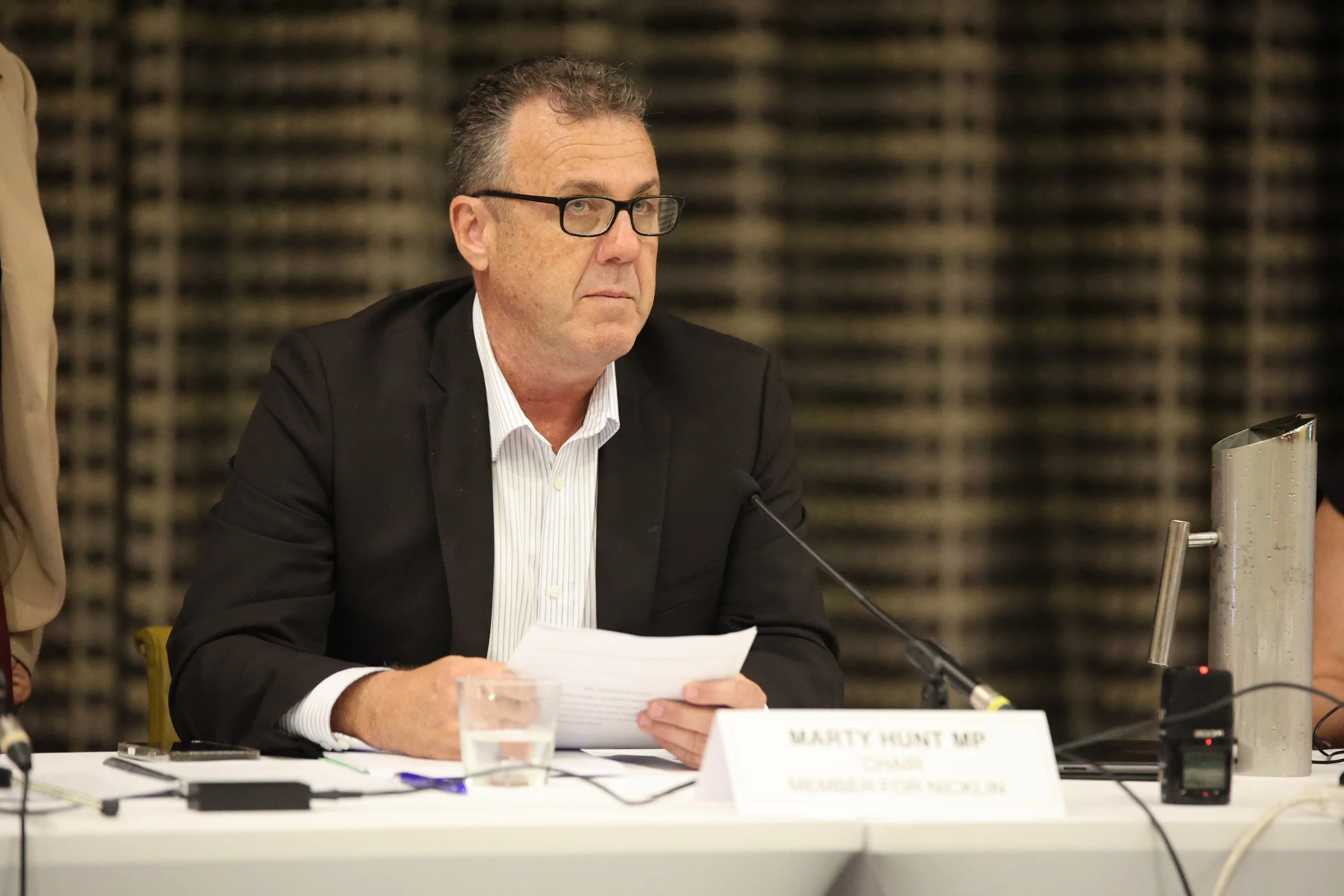
Committee Chair Marty Hunt: "these strengthened powers will ensure officers have the practical tools to address issues on the ground and restore confidence in our CBD".
There was a clear message from Nambour’s business and community leaders at the March 30 parliamentary hearing, with some caution.
Consensus seemed to be that stronger police powers were needed, and move-on laws could play a key role in restoring safety in the CBD, but they should be backed by appropriate support services.
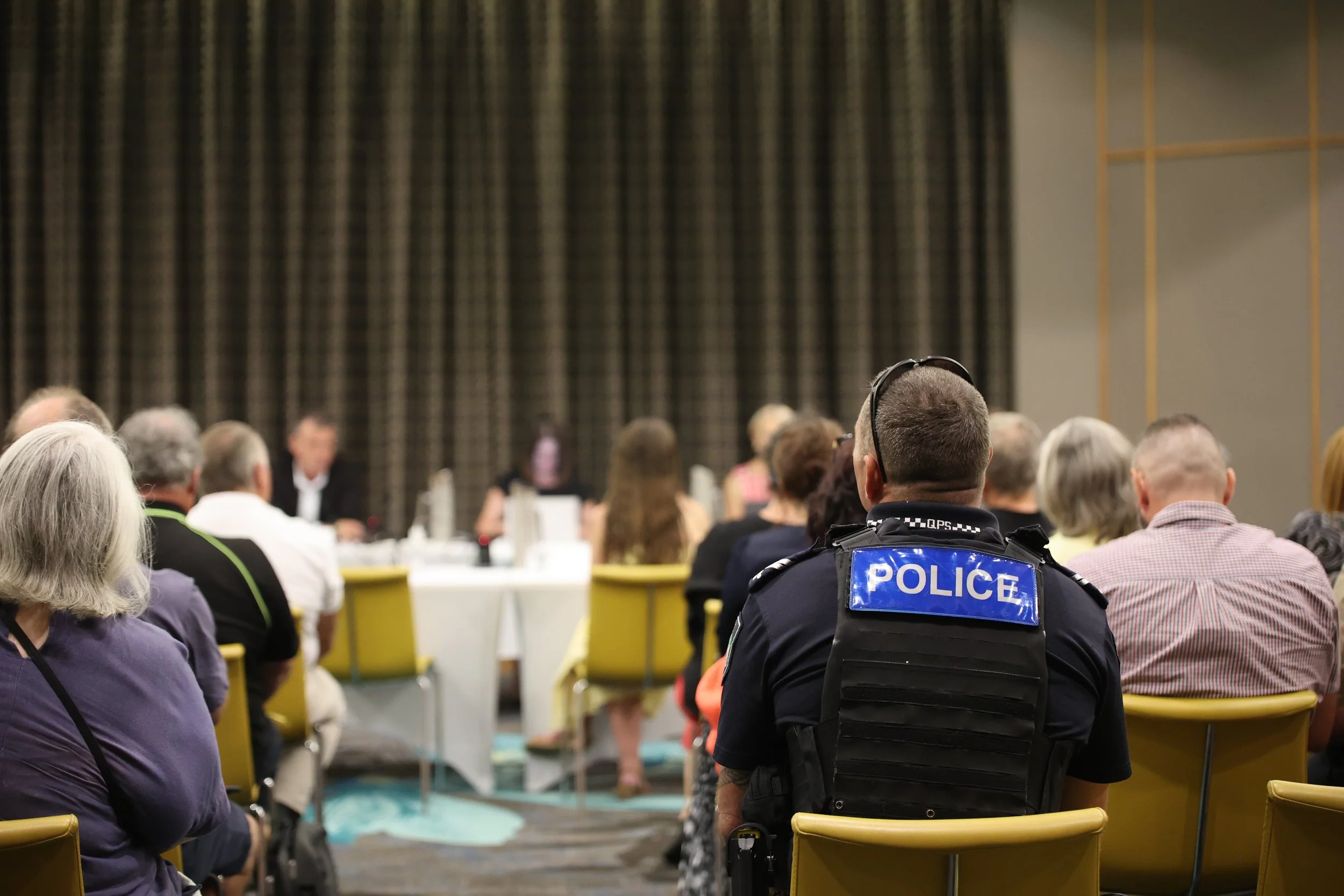
The Justice, Integrity and Community Safety Committee sat in Nambour RSL on March 30 to examine proposed legislation that would allow police to direct people to leave designated precincts and ban repeat offenders for up to a month.
While views differed on how the laws should be applied, there was broad support from local business leaders for giving police more practical tools — provided they are used carefully and alongside support services.
Nambour Chamber of Commerce Vice President Brian Bugenhagen told the hearing the situation had reached a tipping point.
“Some workers are afraid to go to work and some customers are afraid to come into our town centre,” he said.
He said anti-social and substance-affected behaviour had become a “regular experience” for businesses, staff and customers, and argued the proposed powers would allow police to intervene earlier and prevent escalation.
Nambour Groups chair Rhonda Billett said the stakes were high, with the town attracting about $150 million in private investment and entering what she described as “very, very exciting times ahead”.
But she warned that daily incidents in the CBD, including abuse, theft and public intoxication, were undermining that momentum.
“The last thing we need as a town … is to have them invest and then have their buildings empty,” she said.
Nambour Now chair Helen Tagg said residents were increasingly frustrated by what they saw as a lack of consequences for repeated behaviour in public spaces.
“The community is crying out for practical action that makes people feel safe again,” she said.
Mayor Rosanna Natoli told the hearing the situation had reached a point where some council staff were wearing stab vests and body cameras while working in the CBD.
Small business owner Jennifer Barker reinforced the impact at a personal level, telling MPs she had experienced two distressing incidents at her home in the past 18 months and knew many operators facing disruption and financial loss.
“I strongly believe that firmer and more consistent enforcement of existing laws is necessary,” she said.
While backing stronger enforcement, several speakers also acknowledged the complexity of the issue and the need for balance.
Nambour Neighbourhood Centre manager Ana Greenfield said community safety was “paramount” and agreed there were times when people needed to be removed from an area.
However, she cautioned that without support pathways, problems could simply be displaced.
Frontline worker Peter Hogg said enforcement alone would not resolve deeper issues such as housing shortages and stretched services, but accepted there was a role for policing in maintaining order.
On a local level Mr Hunt said the measures would complement the permanent Police Beat recently established in the Nambour CBD.
“With our new Police Beat now operating in Nambour, these strengthened powers will ensure officers have the practical tools to address issues on the ground and restore confidence in our CBD,” he said.The bill will now be considered by the committee before returning to Parliament for debate.