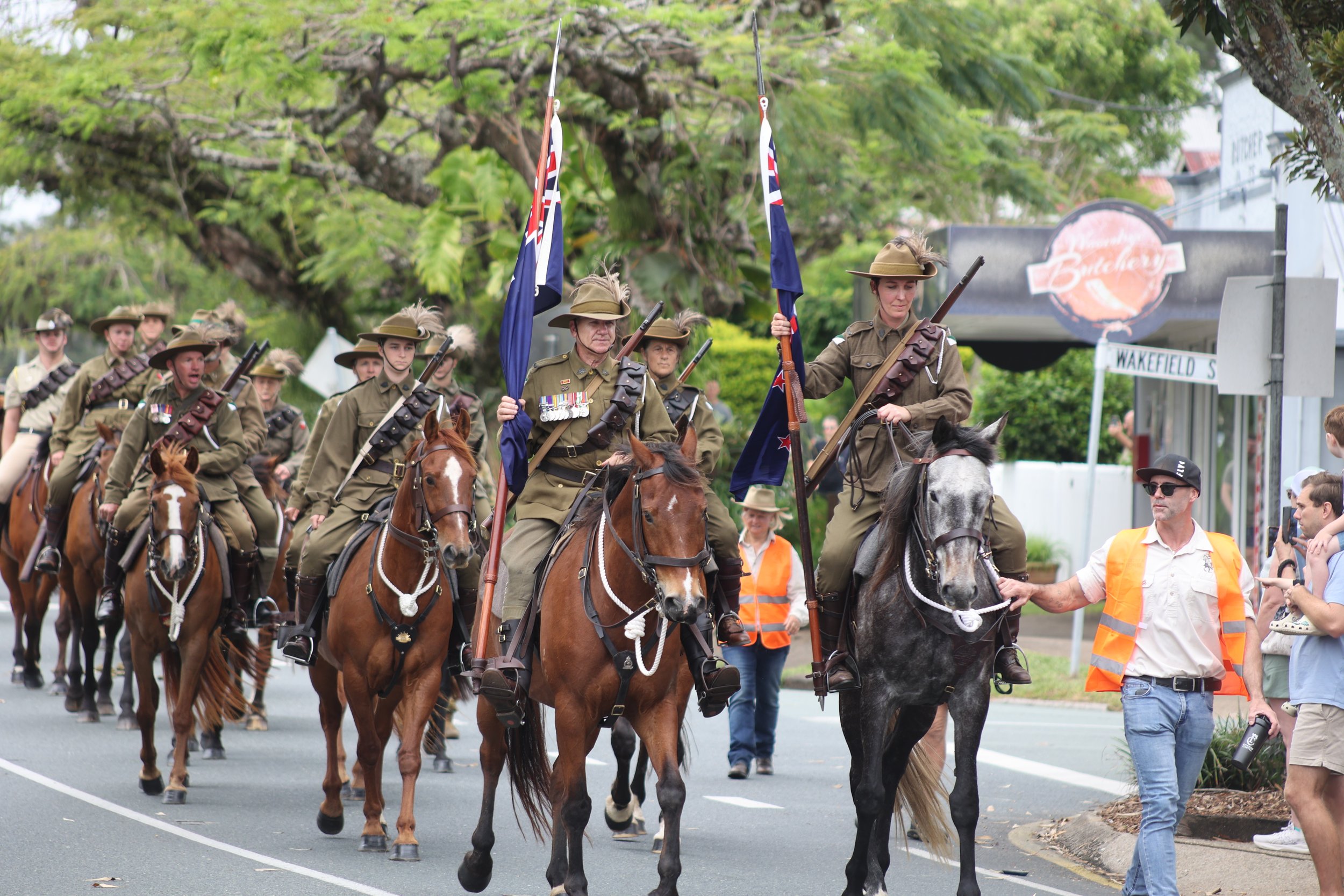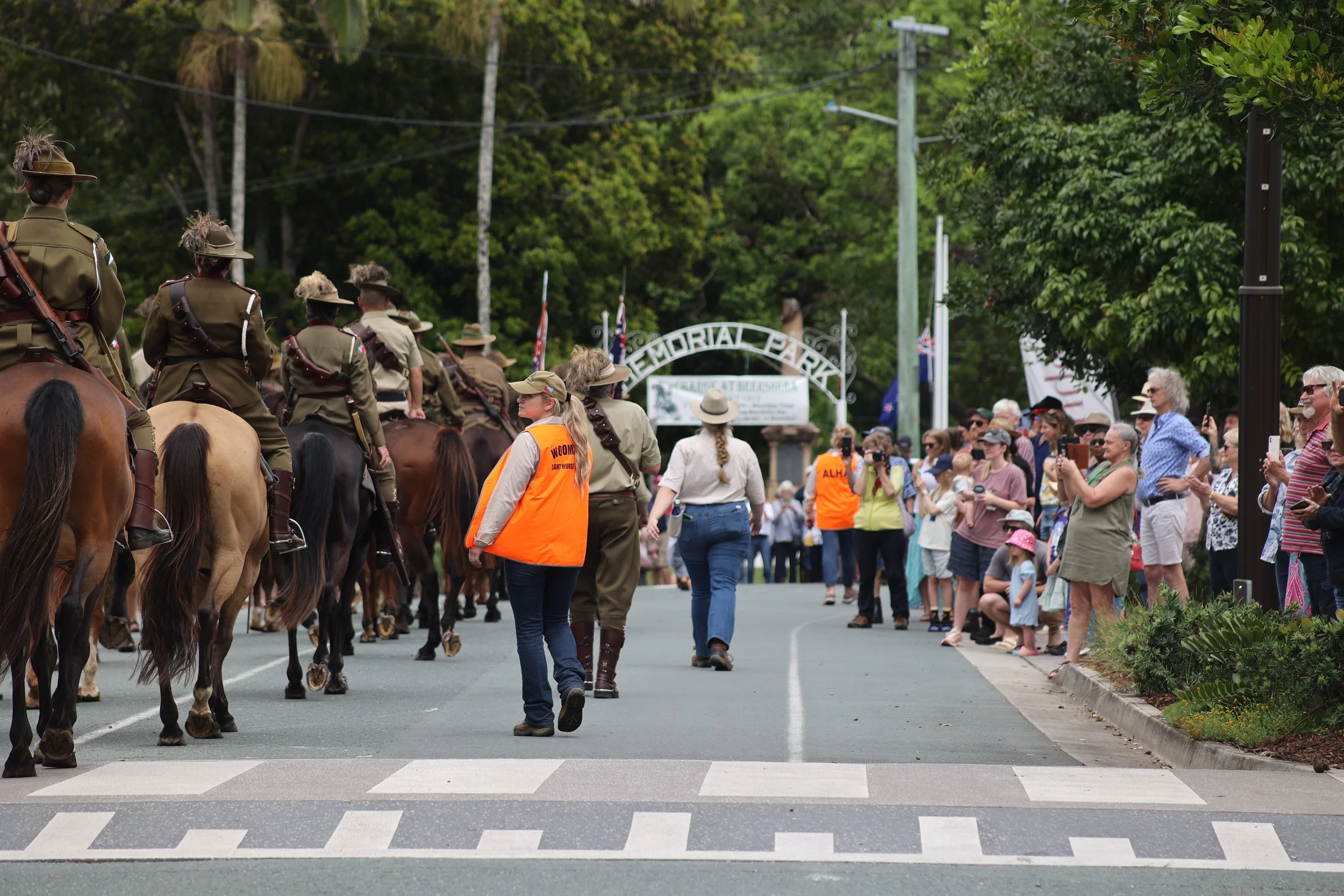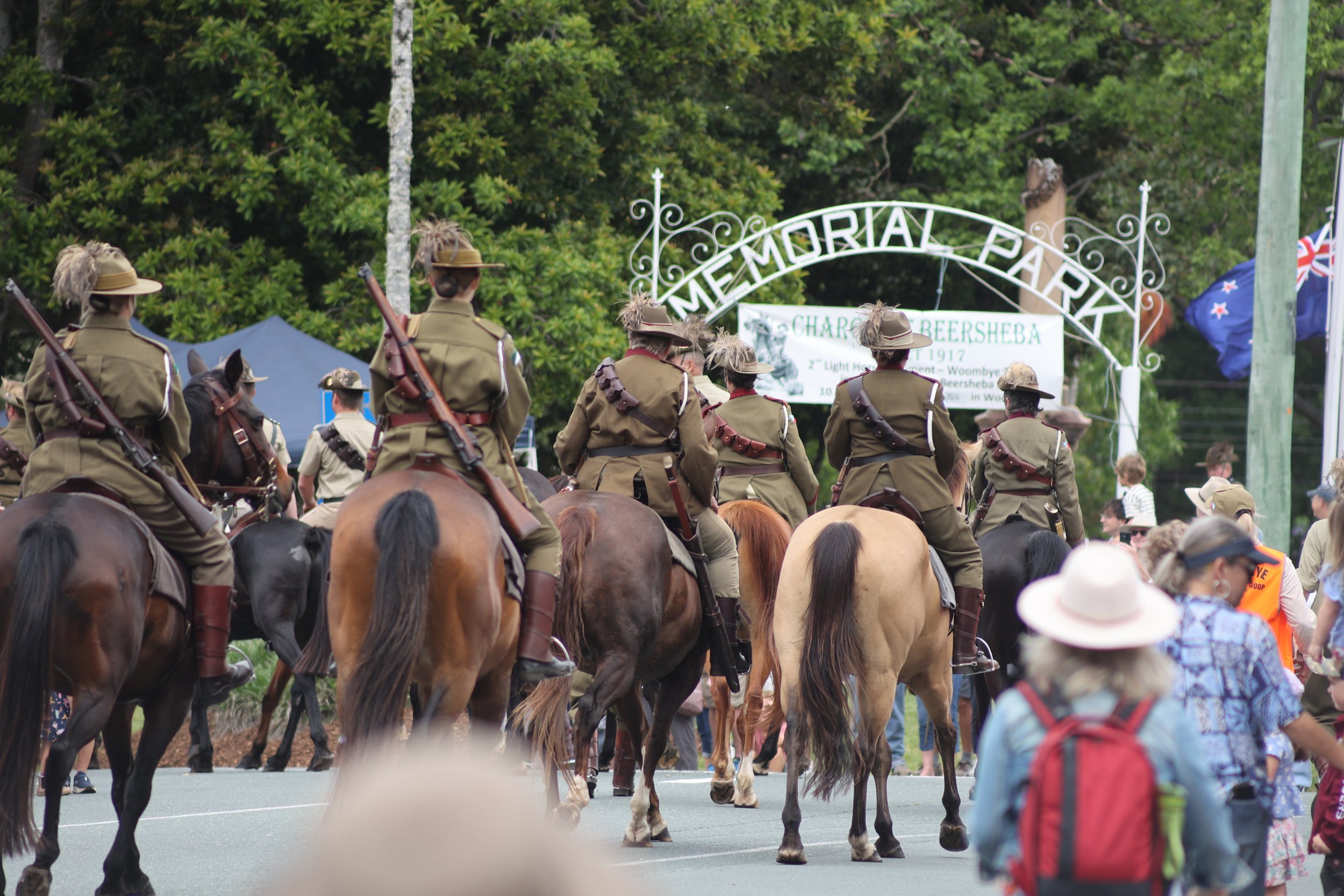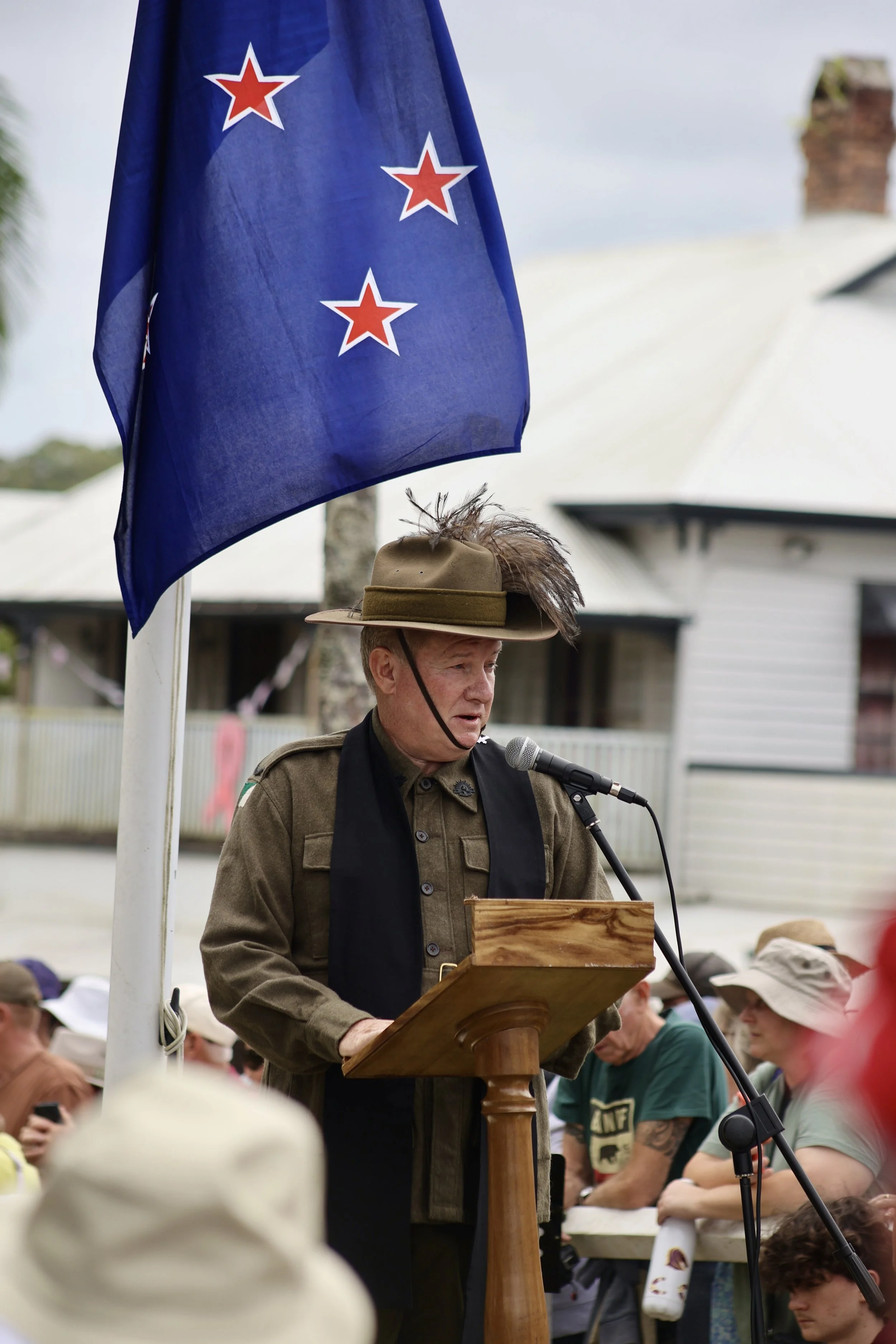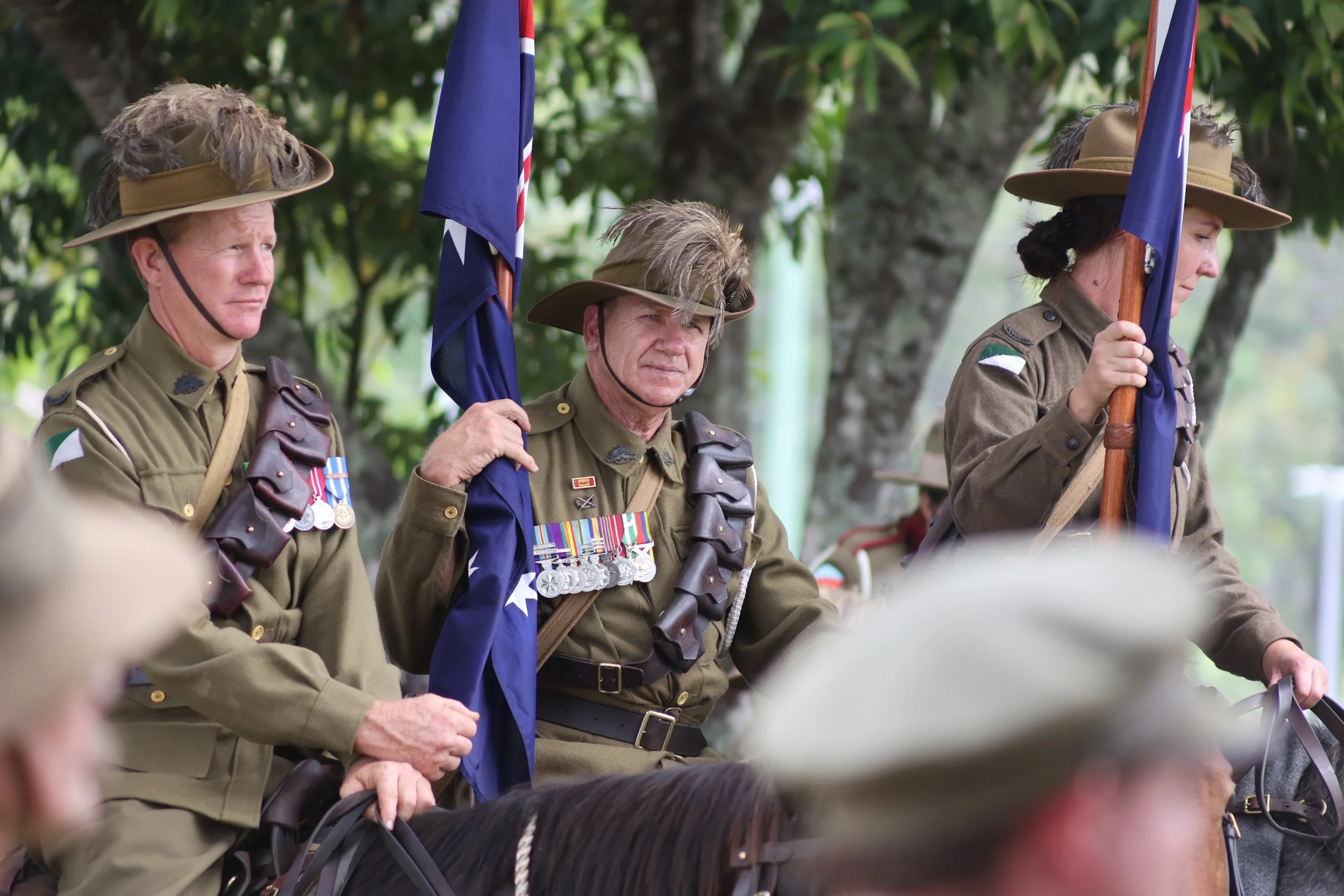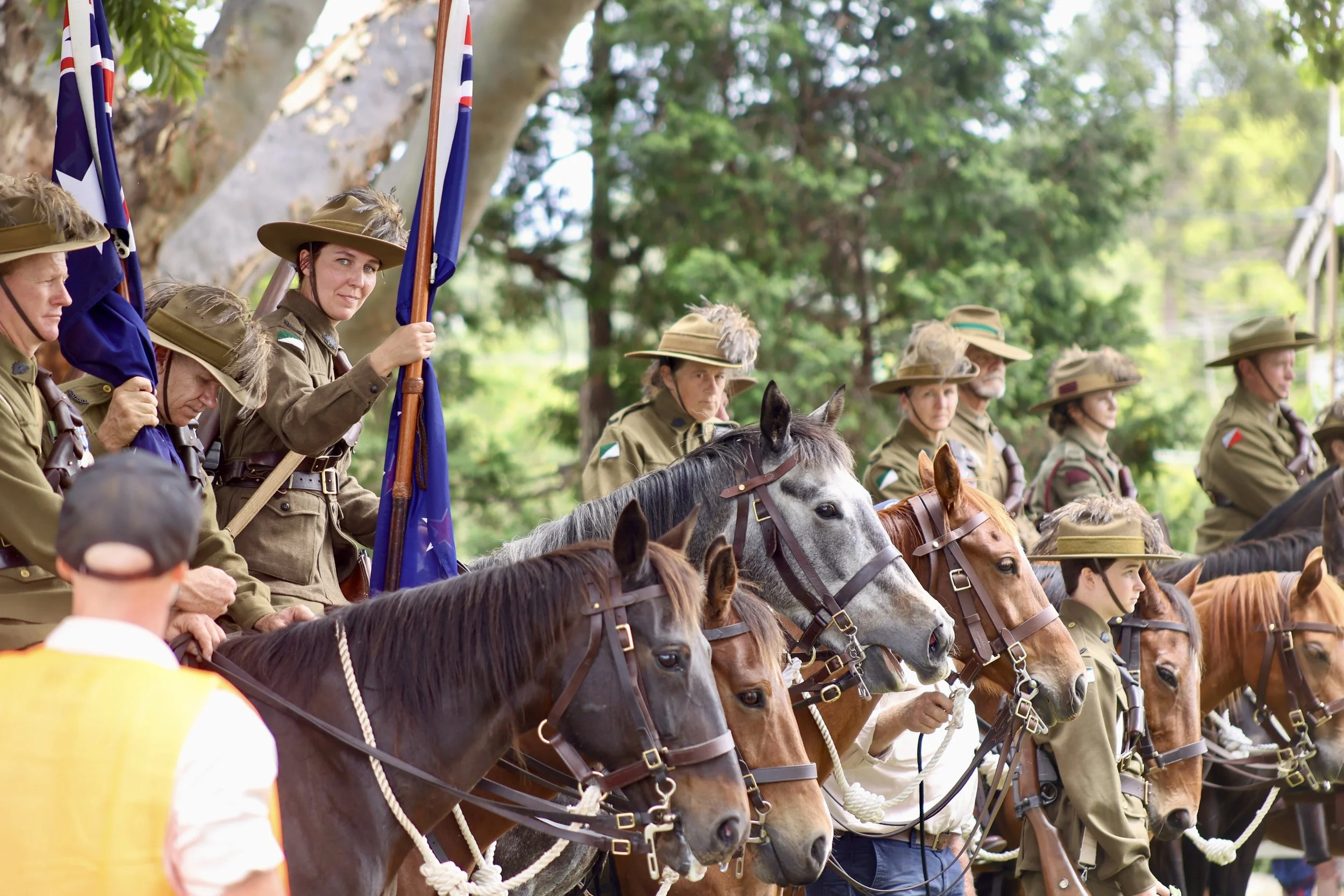
Eight hundred Australian Light Horsemen, their horses exhausted and desperately needing water, were ordered to charge across more than six kilometres of open ground into a storm of Turkish gunfire. They had never been trained for such an attack. Yet, with bayonets drawn and the sun sinking towards the horizon, they rode straight into history.
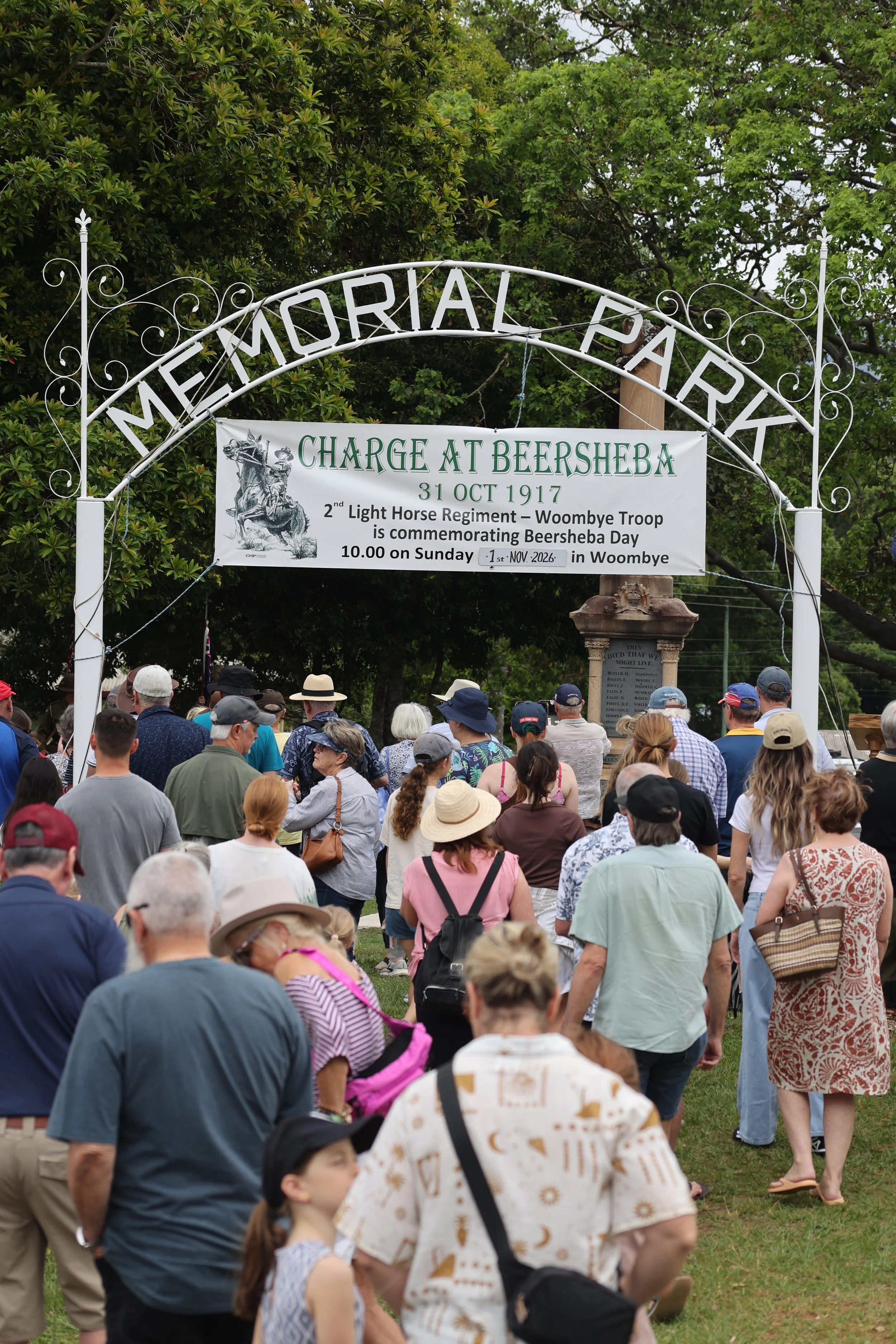
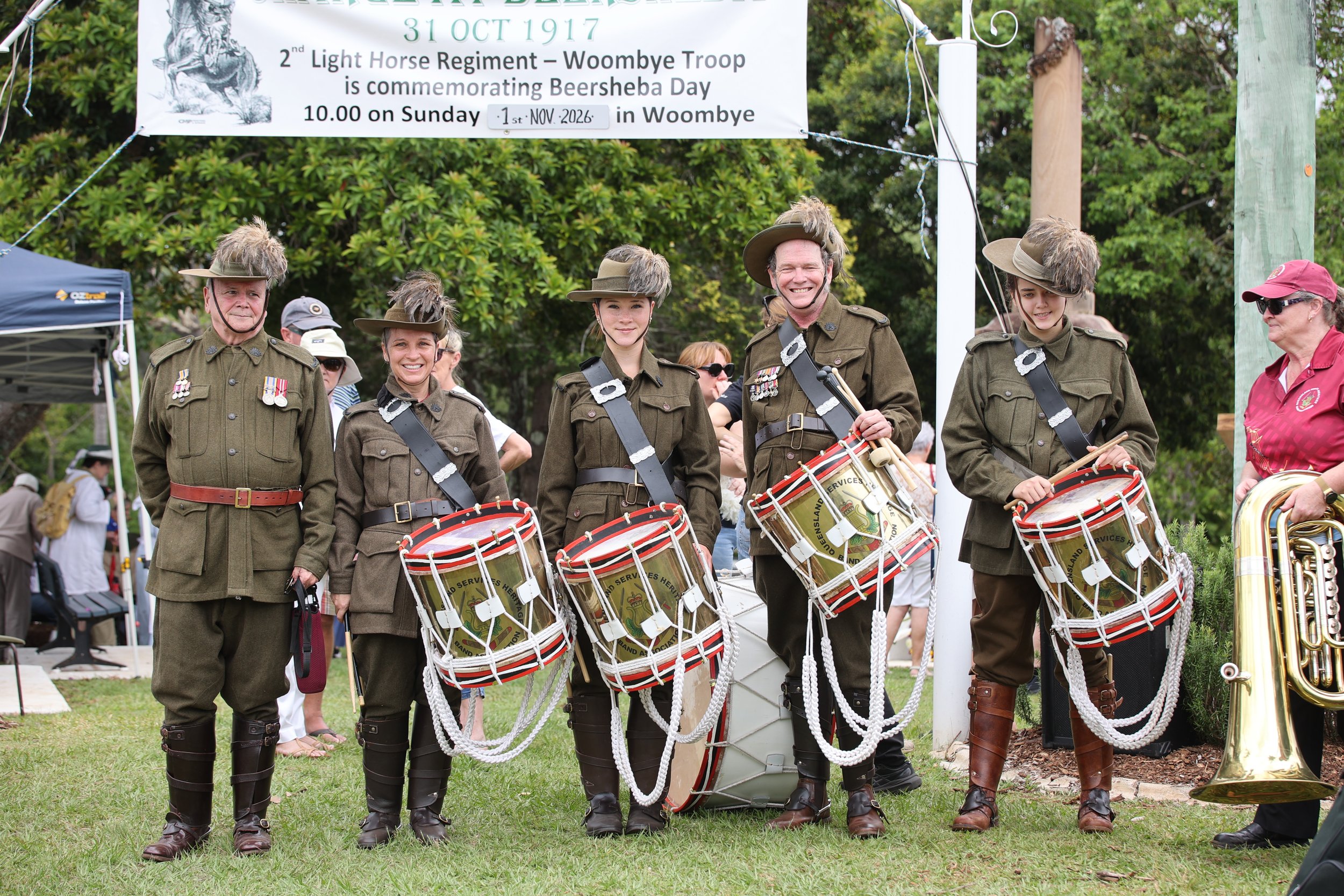
That extraordinary act of courage, which helped turn the tide of the First World War campaign in Palestine, was remembered at Woombye Memorial Park on Sunday, November 1, as the town commemorated the 109th anniversary of the Battle of Beersheba.
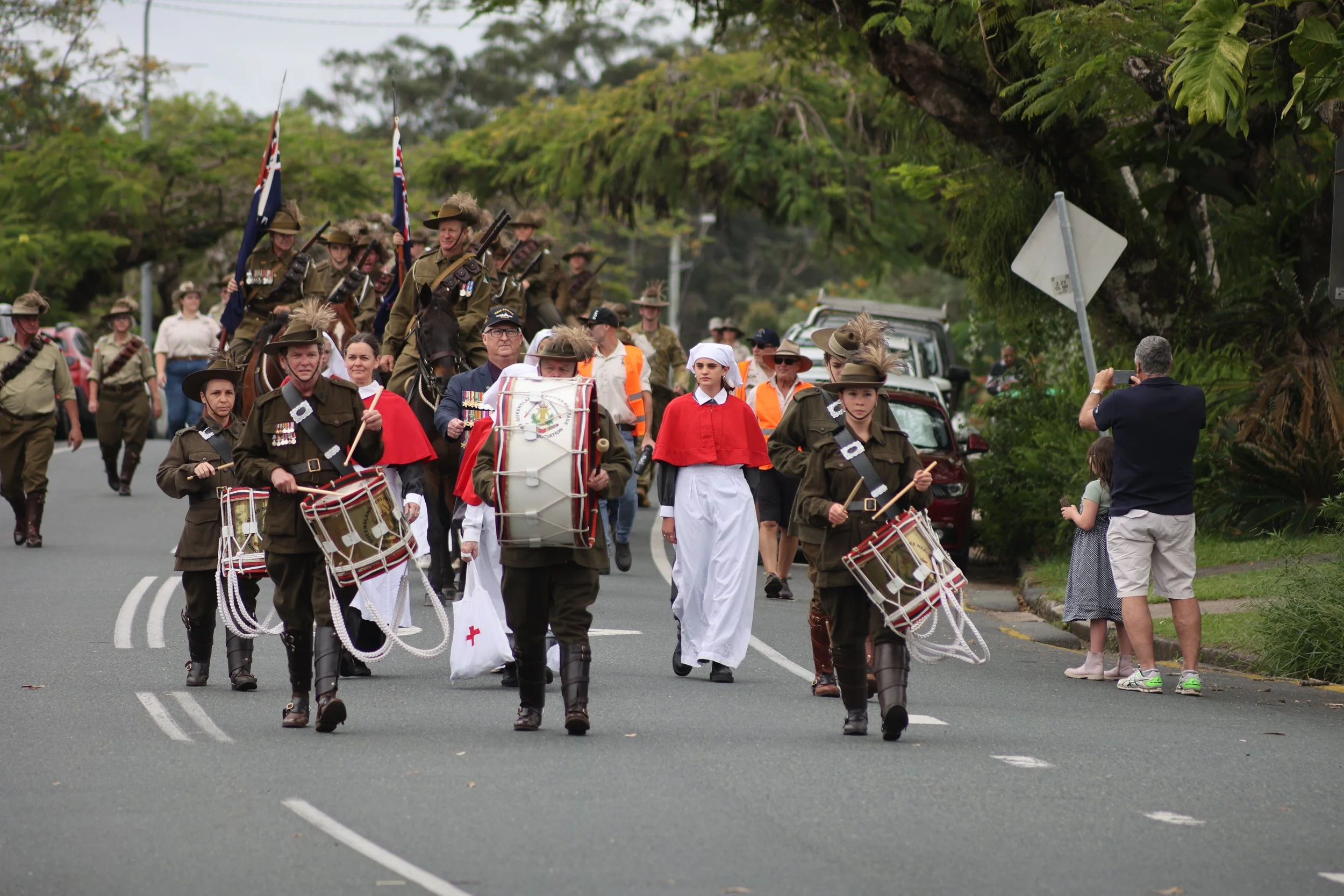
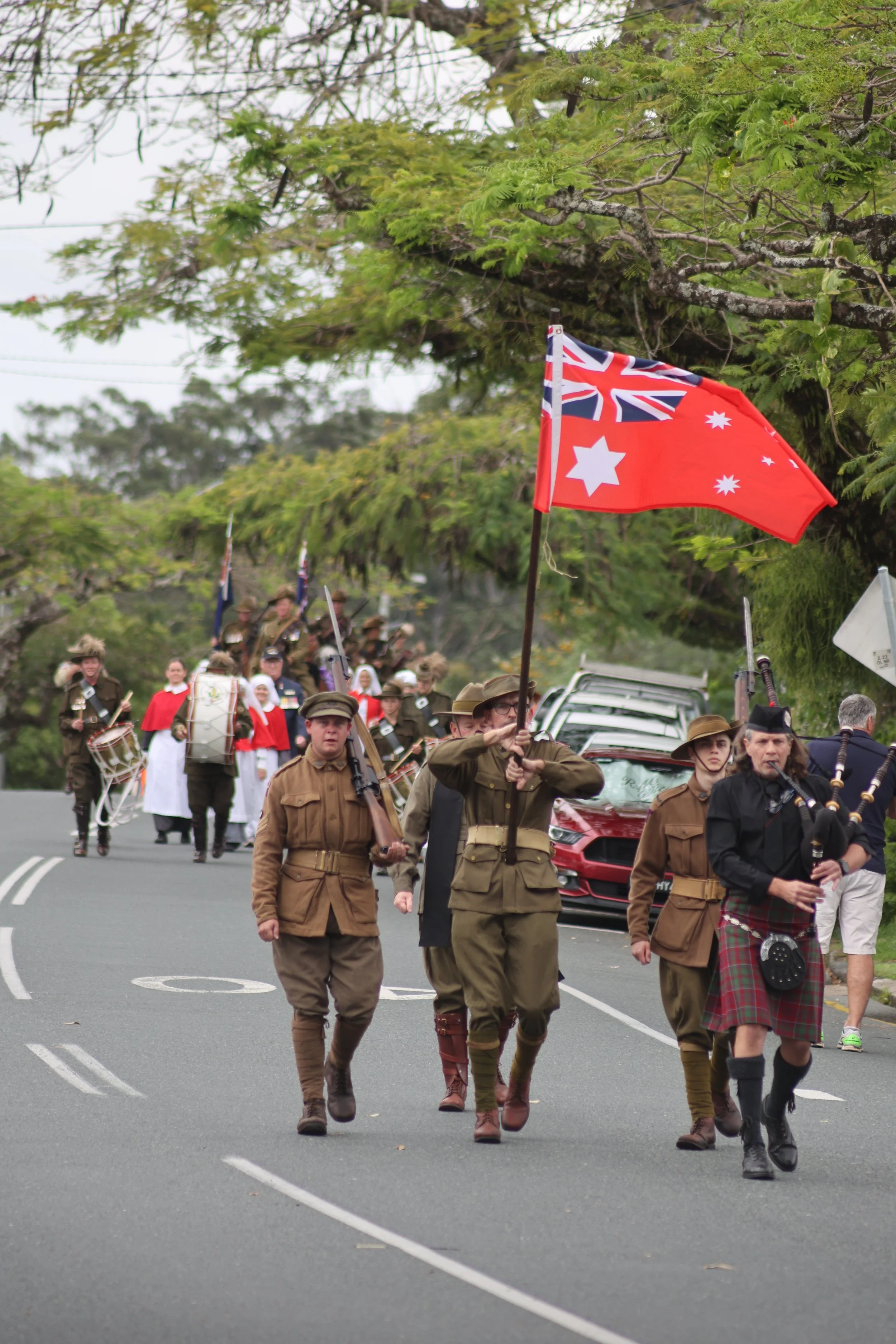
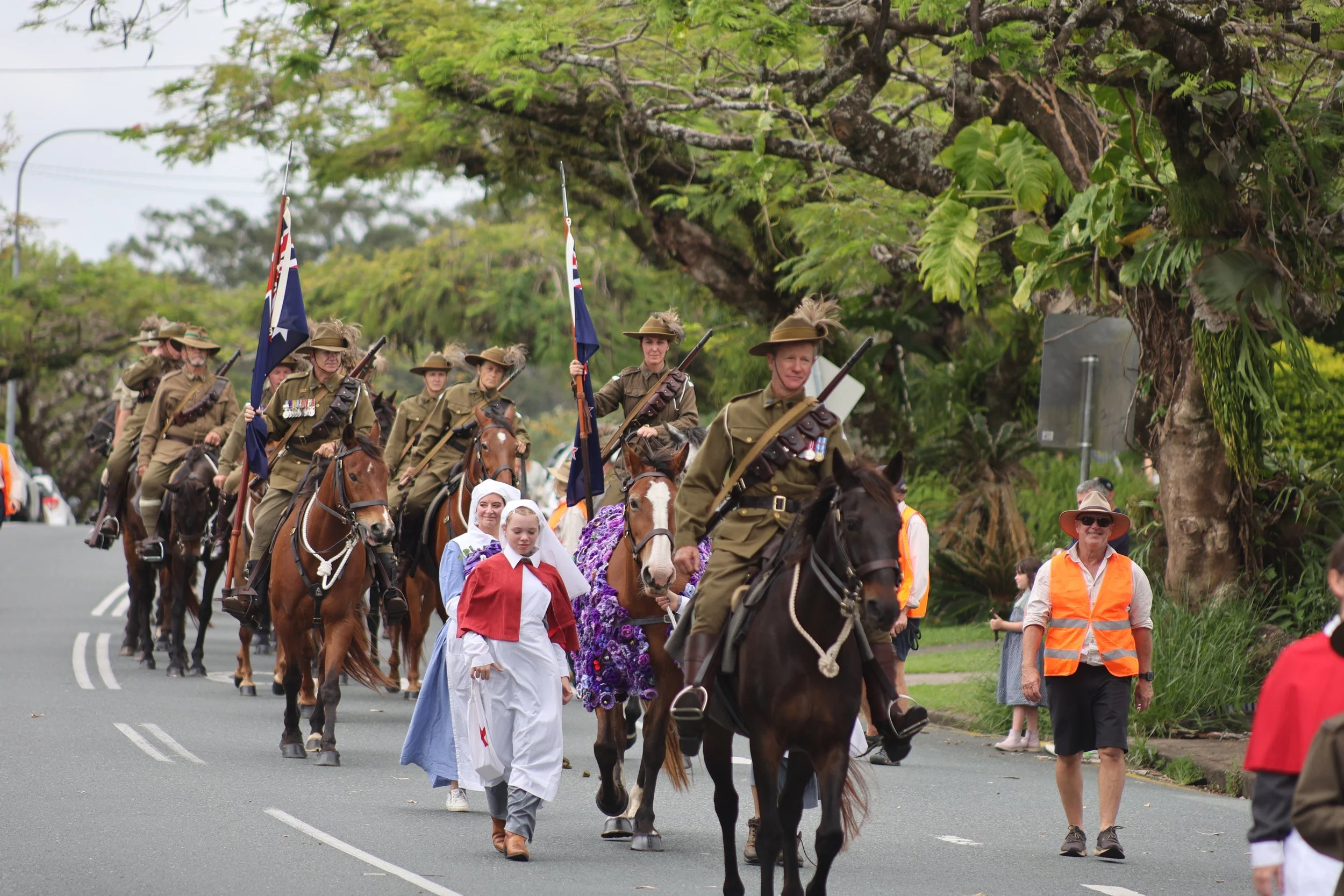
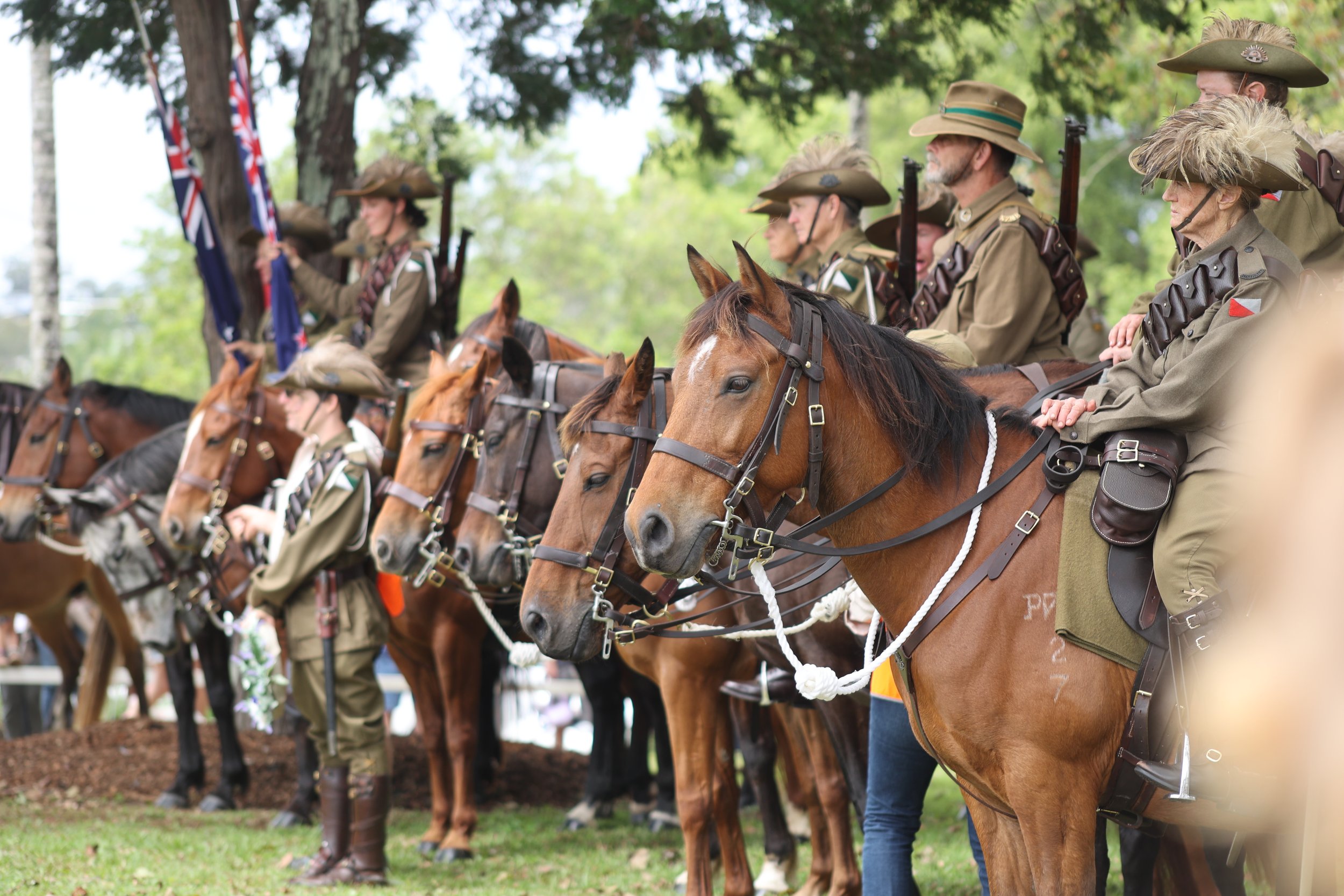
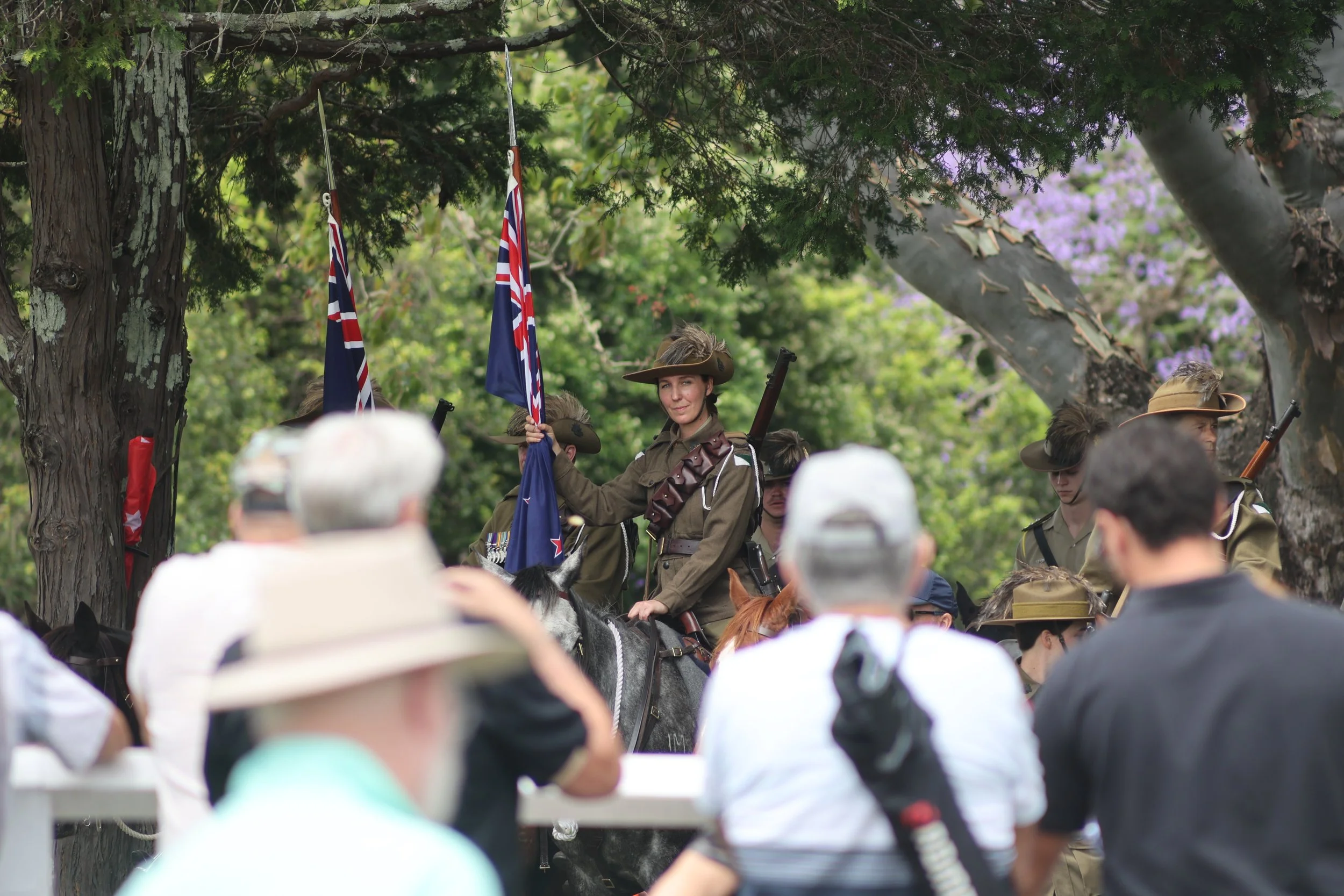
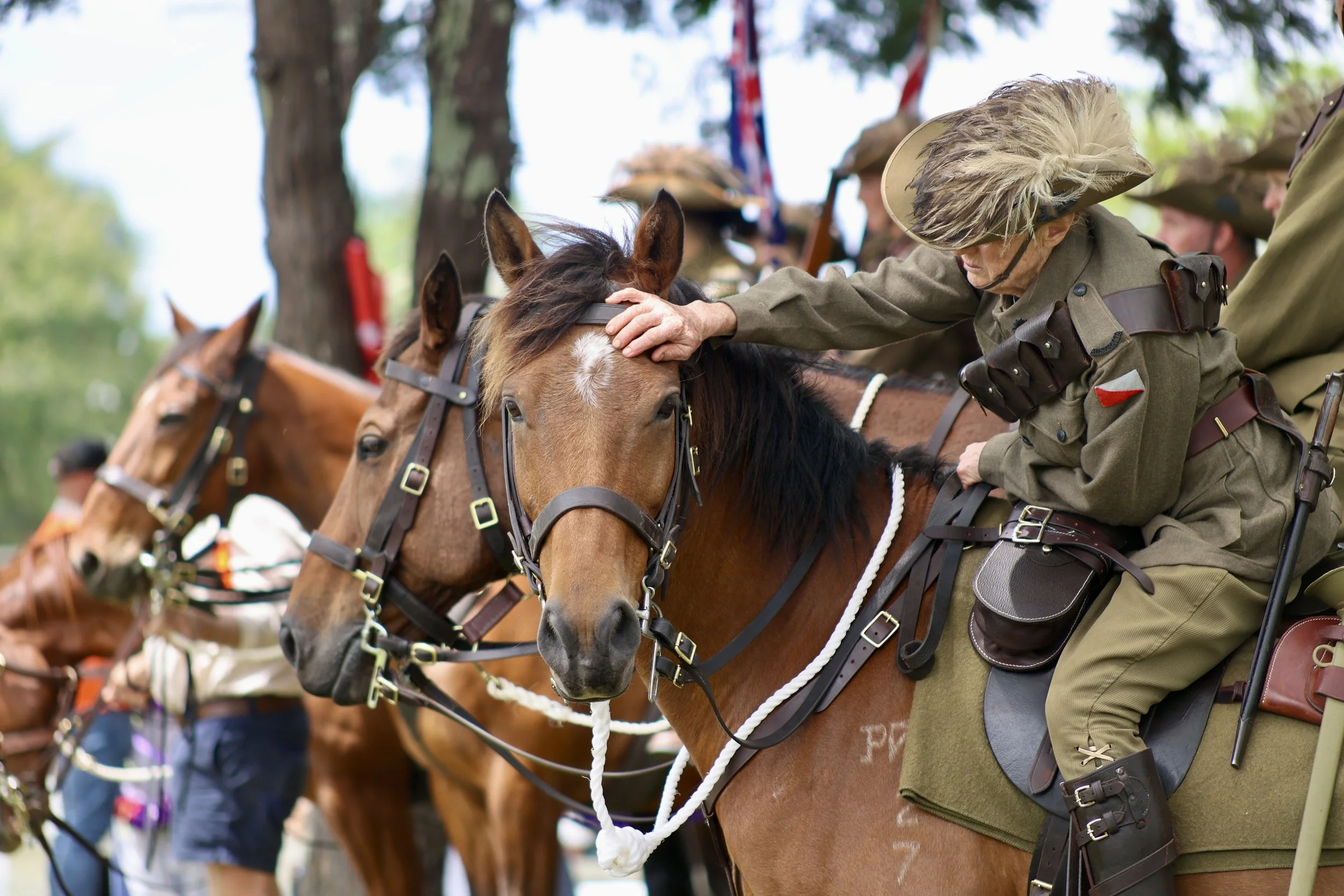
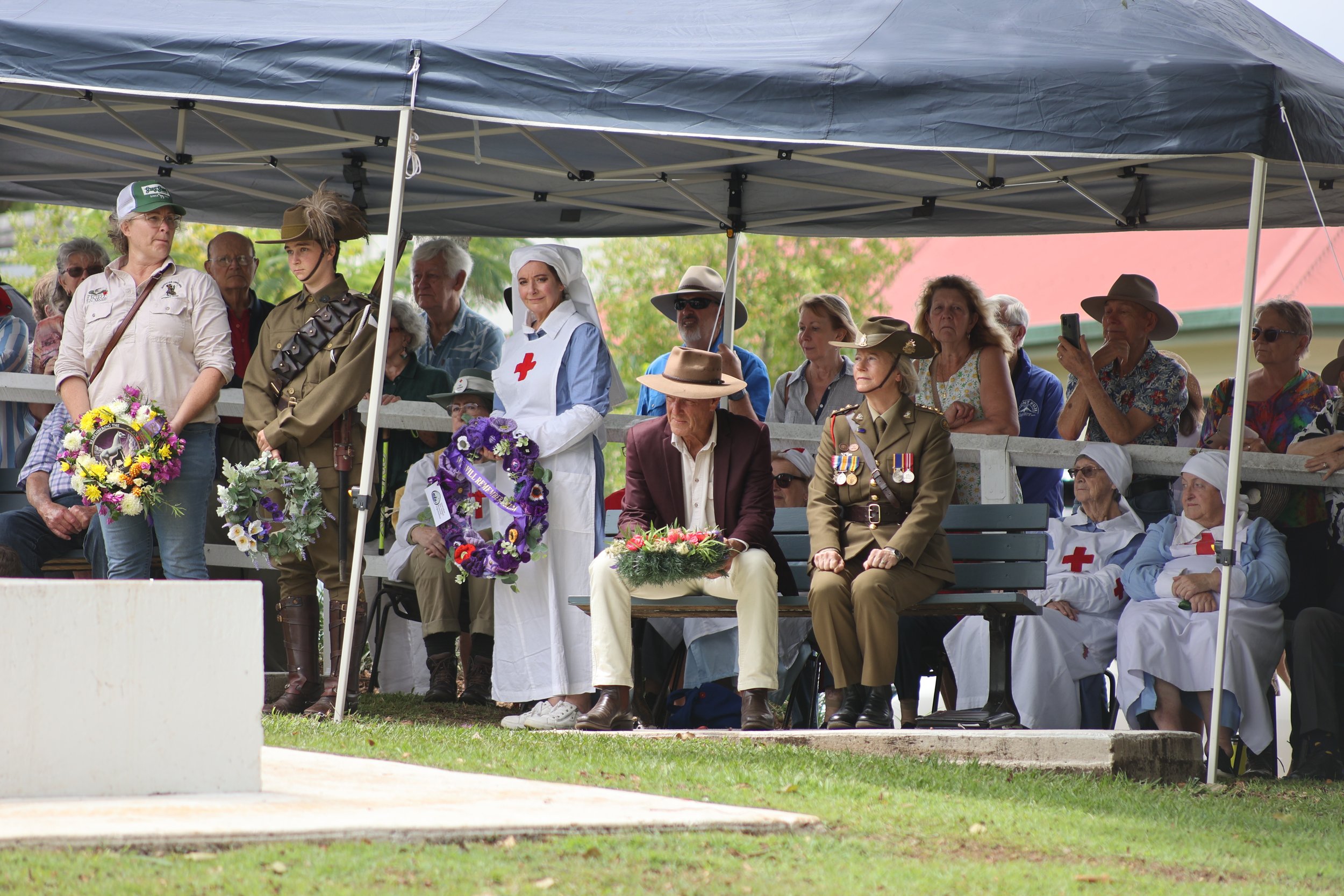
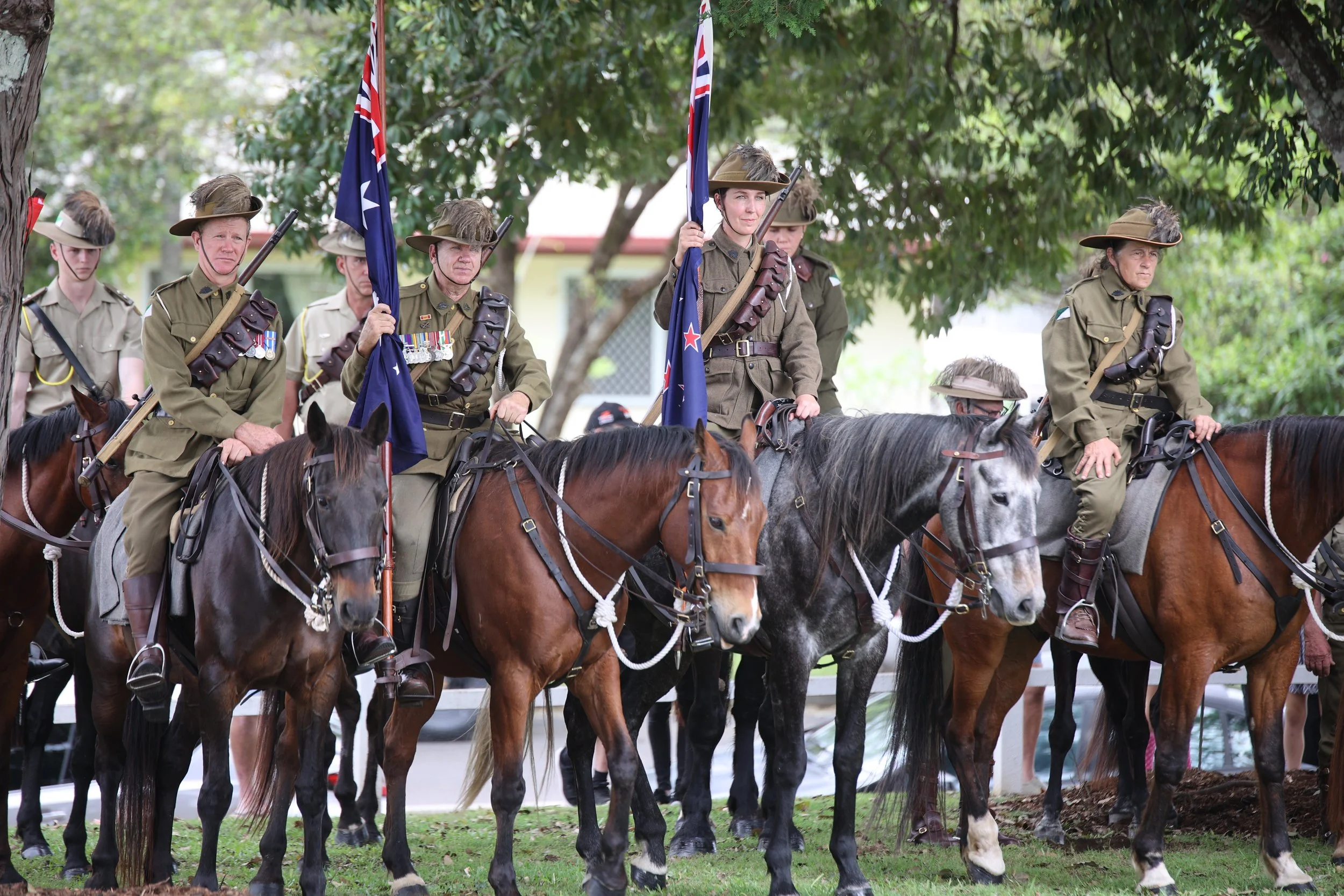
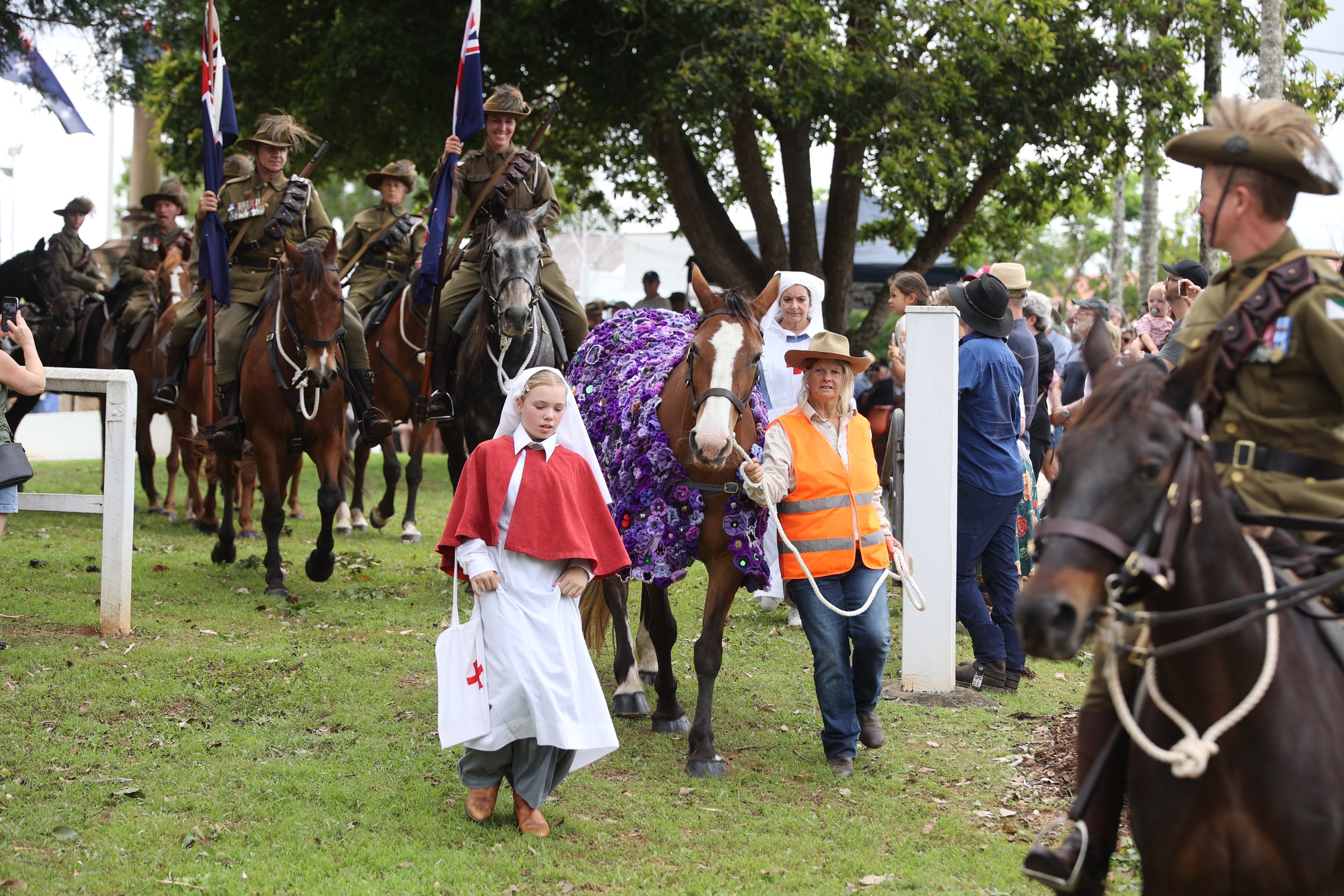
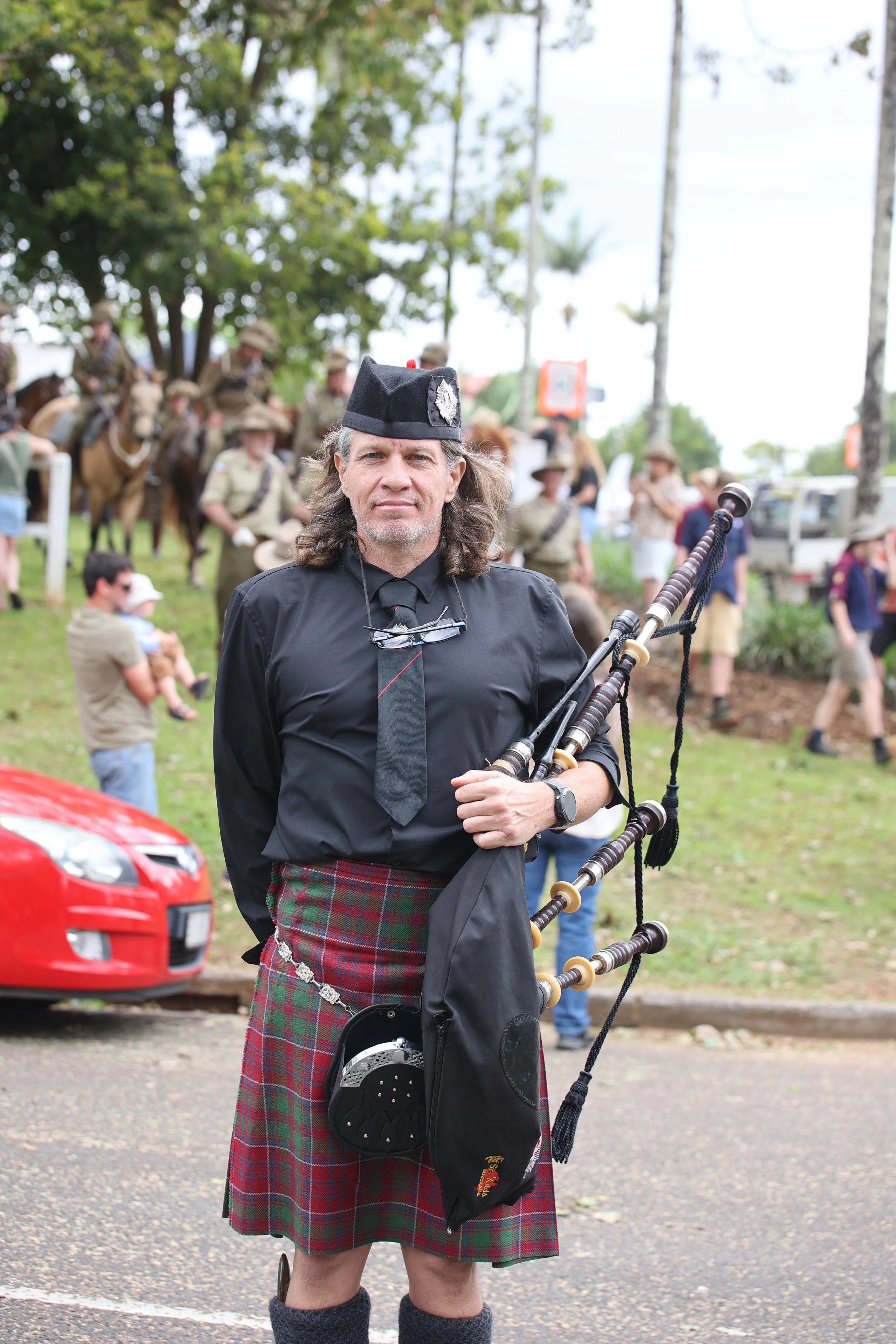
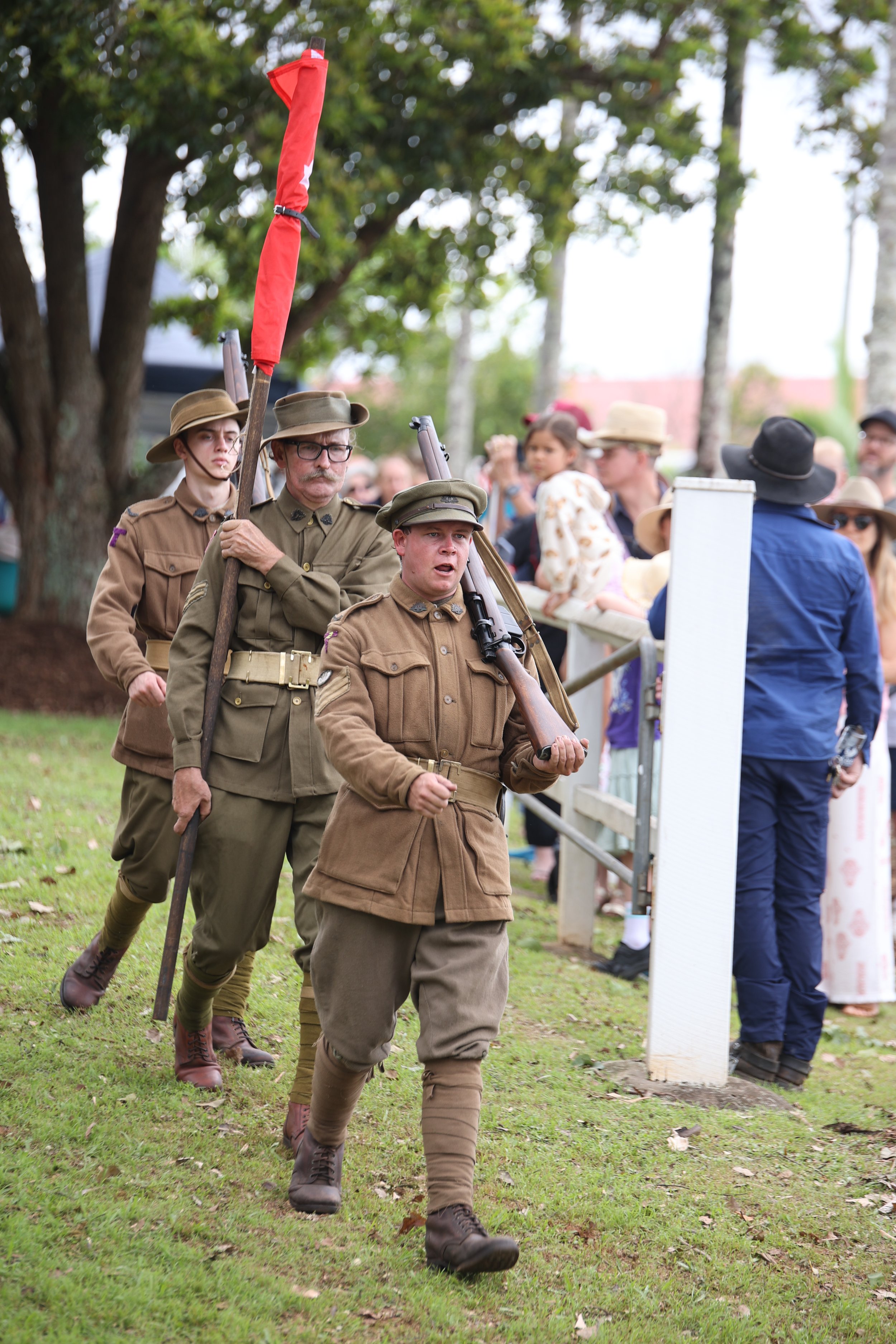
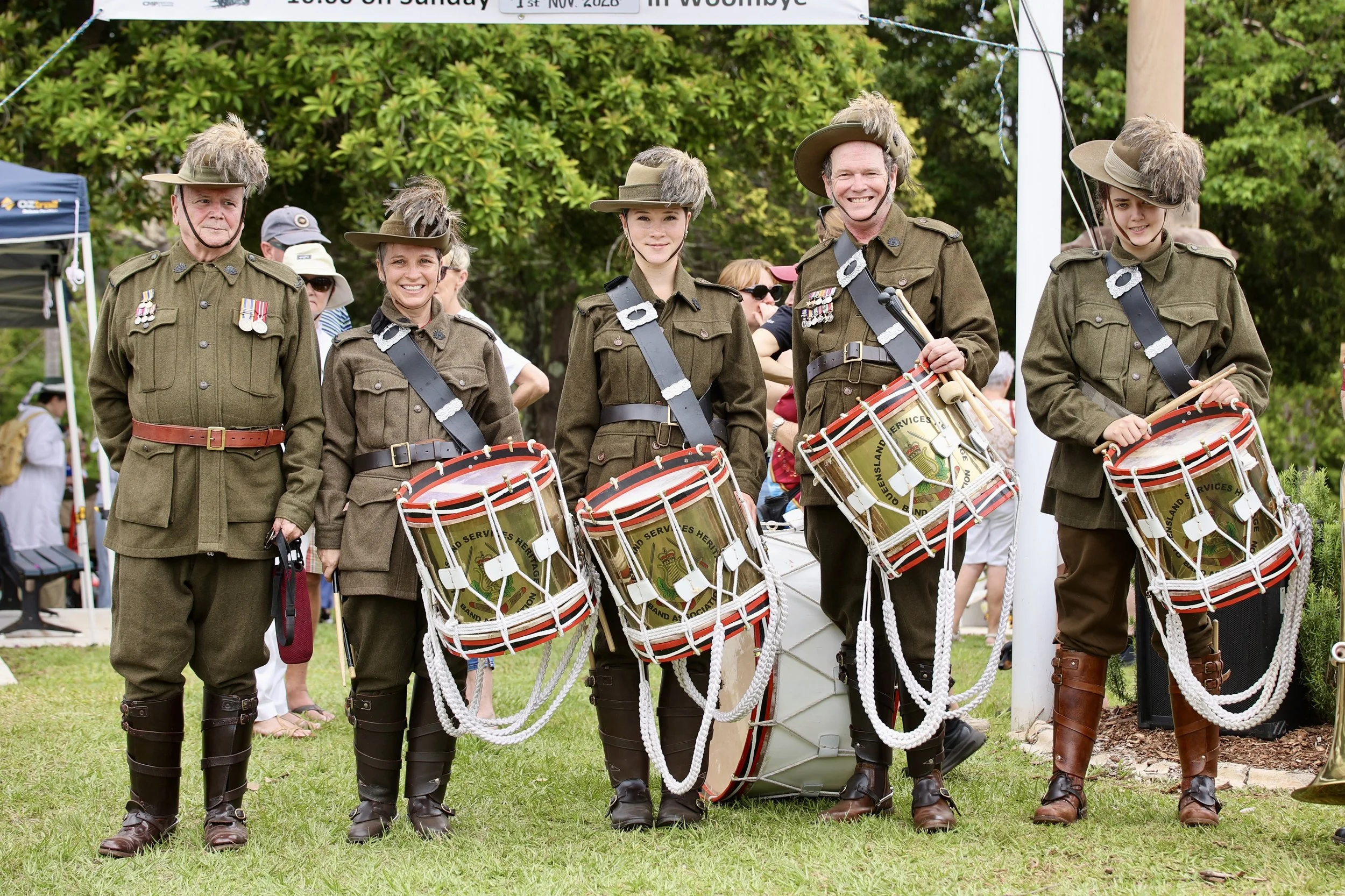
More than 20 mounted Light Horsemen joined First World War living-history groups, veterans and residents for the annual parade and memorial service organised by the 2nd Light Horse Regiment – Woombye Troop.
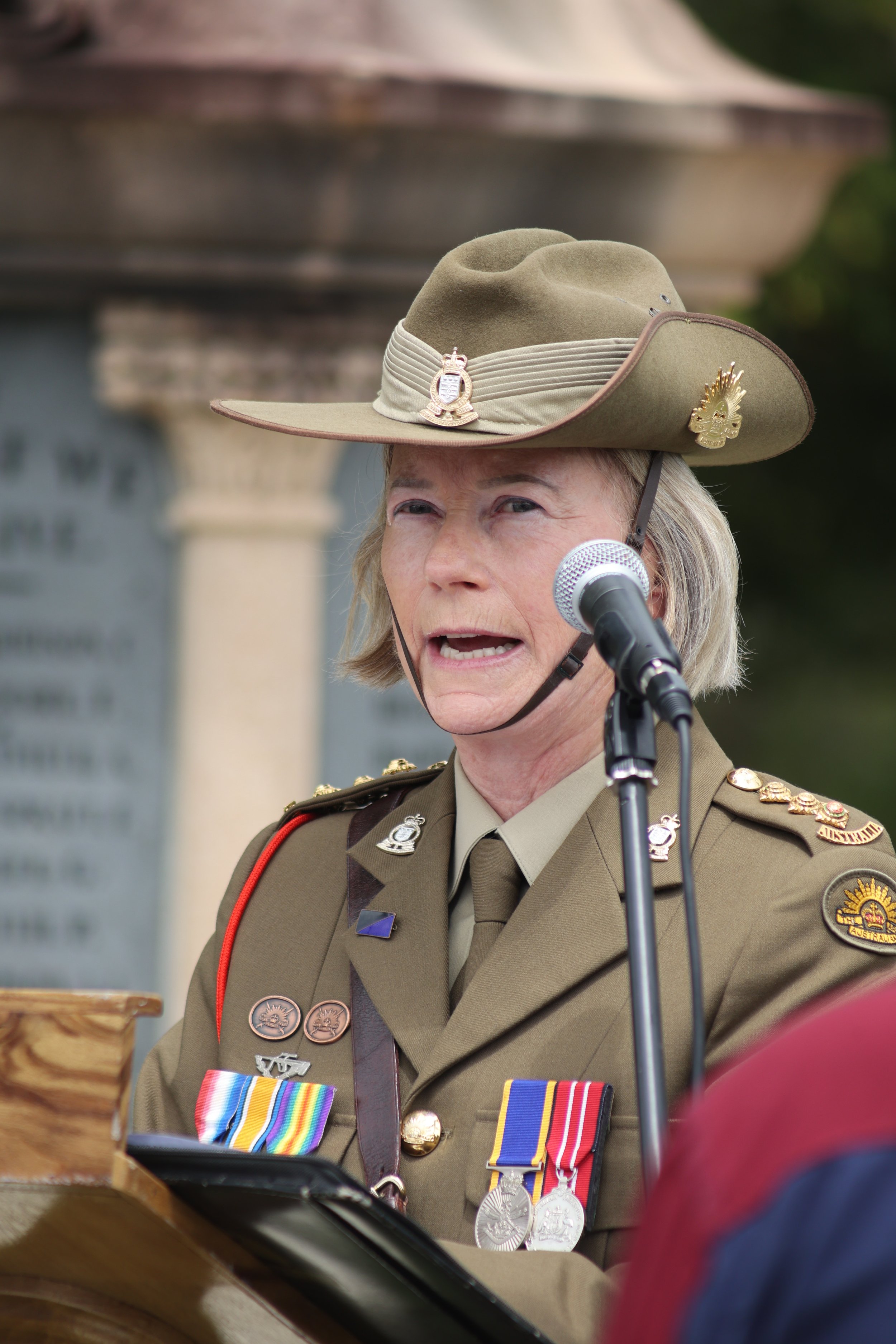
Guest speaker Captain Adele Catts, of the Army Historical Unit, brought the famous charge of October 31, 1917, vividly to life, describing how Australian troops faced seemingly impossible odds to capture Beersheba and its vital wells.
“The men of the Light Horse were dramatic, almost glamorous figures and it's easy to see their exploits as some splendid adventure, but theirs is a record that is superb in its own right. We don't need to embellish it,” she said.
“The history of the Australian Light Horse is a great story and one worth telling and retelling.”
Captain Catts explained that the battle was part of a larger Allied offensive against Ottoman forces, with the capture of Beersheba essential to securing water for the advancing troops and their horses.
After fierce fighting throughout the day, the Australian and New Zealand mounted forces had secured key positions, but Beersheba remained in enemy hands.
With darkness approaching, Lieutenant General Sir Harry Chauvel faced a desperate decision. Failure to capture the town meant the horses would face a gruelling 12-hour march back to water.
Brigadier William Grant proposed an extraordinary solution – a mounted charge by the 4th and 12th Light Horse regiments.
“The famous charge of the fourth light horse brigade took place with only 800 men of the Victorian fourth and the Hunter Valley 12th light horse regiments,” Captain Catts said.
For her, the story carried a deeply personal connection.
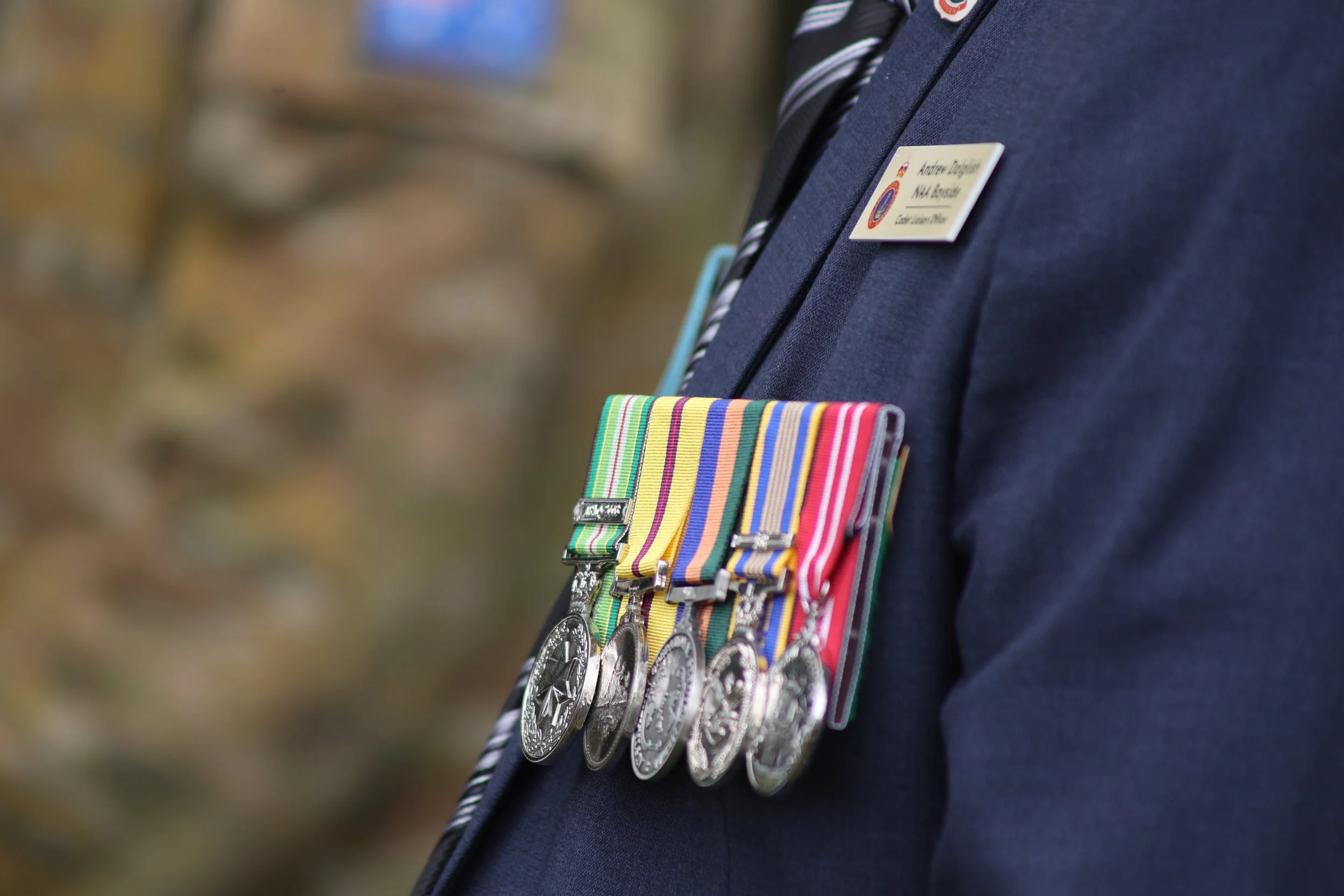
“I might just mention at this point that my grandfather, Sergeant Jeffrey Rowney, was one of those riding with the 12th light horse. I'm wearing medals in honour of my grandfather and the sweetheart badge passed to my mother and then to me.”
At 4.30pm, the horsemen formed three lines and charged across 6.4 kilometres of open ground under artillery, machine-gun and rifle fire.
“They rode with bayonets in hand, not swords. They were recognised as light horsemen and orders were given not to open fire until they halted and dismounted, but they just kept coming,” Captain Catts said.
“The bewildered enemy failed to adjust their rifle sights and soon their fire was passing harmlessly overhead.”
The 4th Regiment stormed the trenches while the 12th rode through into Beersheba, overcoming the remaining resistance.
“In less than an hour, it was over. The town was captured,” she said.
The charge cost 31 Australian lives, with 36 wounded and 70 horses lost. More than 1,100 enemy prisoners were taken and, crucially, 15 of the town's 17 wells remained intact.
“The Australian light horse had galloped into history.”
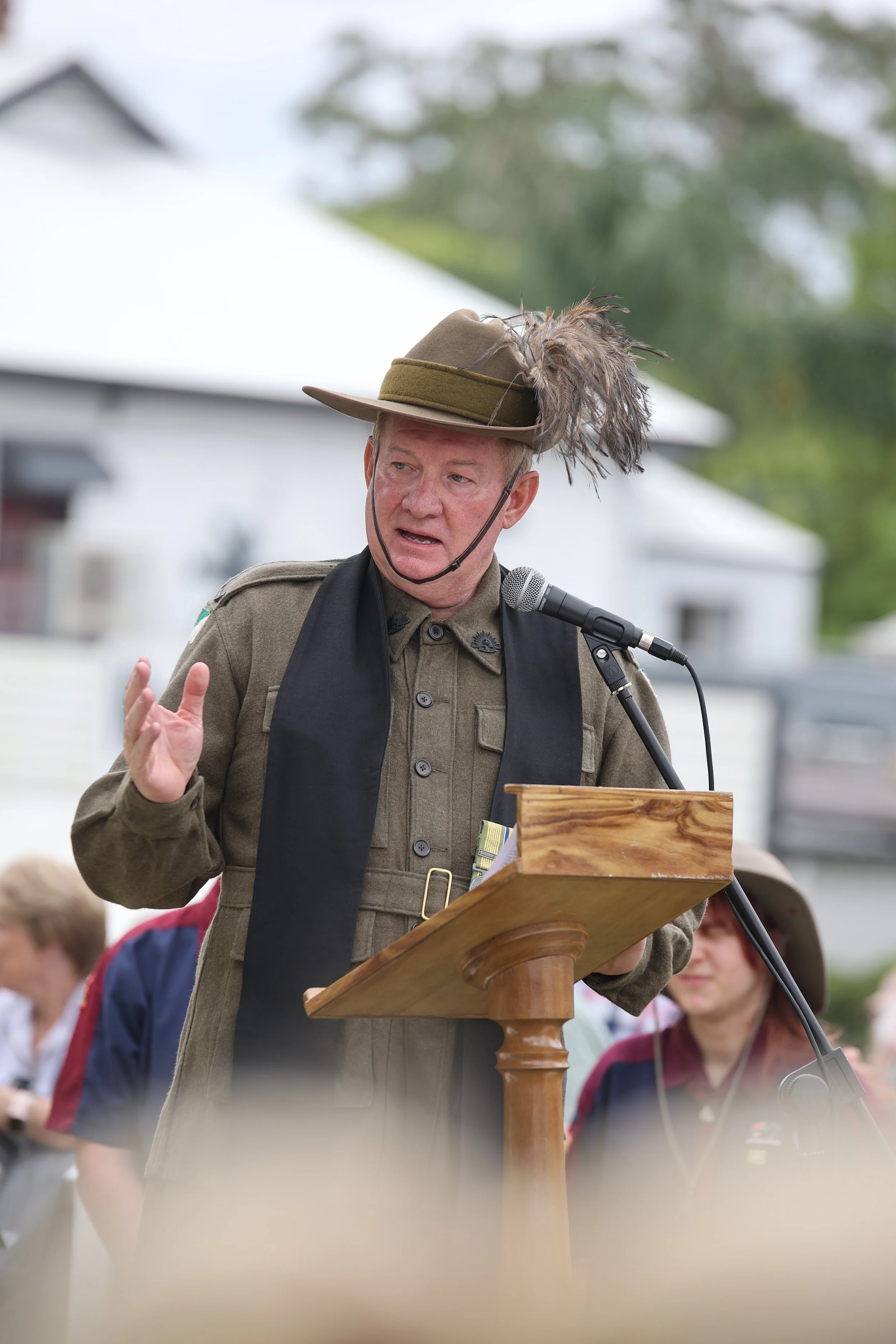
Master of ceremonies and Troop Chaplain Major Peter Walsh, a police officer, Army reservist and Light Horseman, invited those gathered to imagine themselves among the young Australians facing that terrifying charge.
“What I always try to do is put myself on one of those horses,” he said. “And to run or to charge over 6.4 kilometres under fire, I mean, what bravery, but what a sense of duty, what courage, what tenacity did they have?”
He urged the community to carry forward the values demonstrated by those men.
“Mateship, courage, endurance, sacrifice and selflessness,” he said.
“If we share those values as a community, we will make it through these times of difficult times where we work together, support one another, show courage when the courage is needed, perseverance when we need to persevere and we selflessly look after one another.”
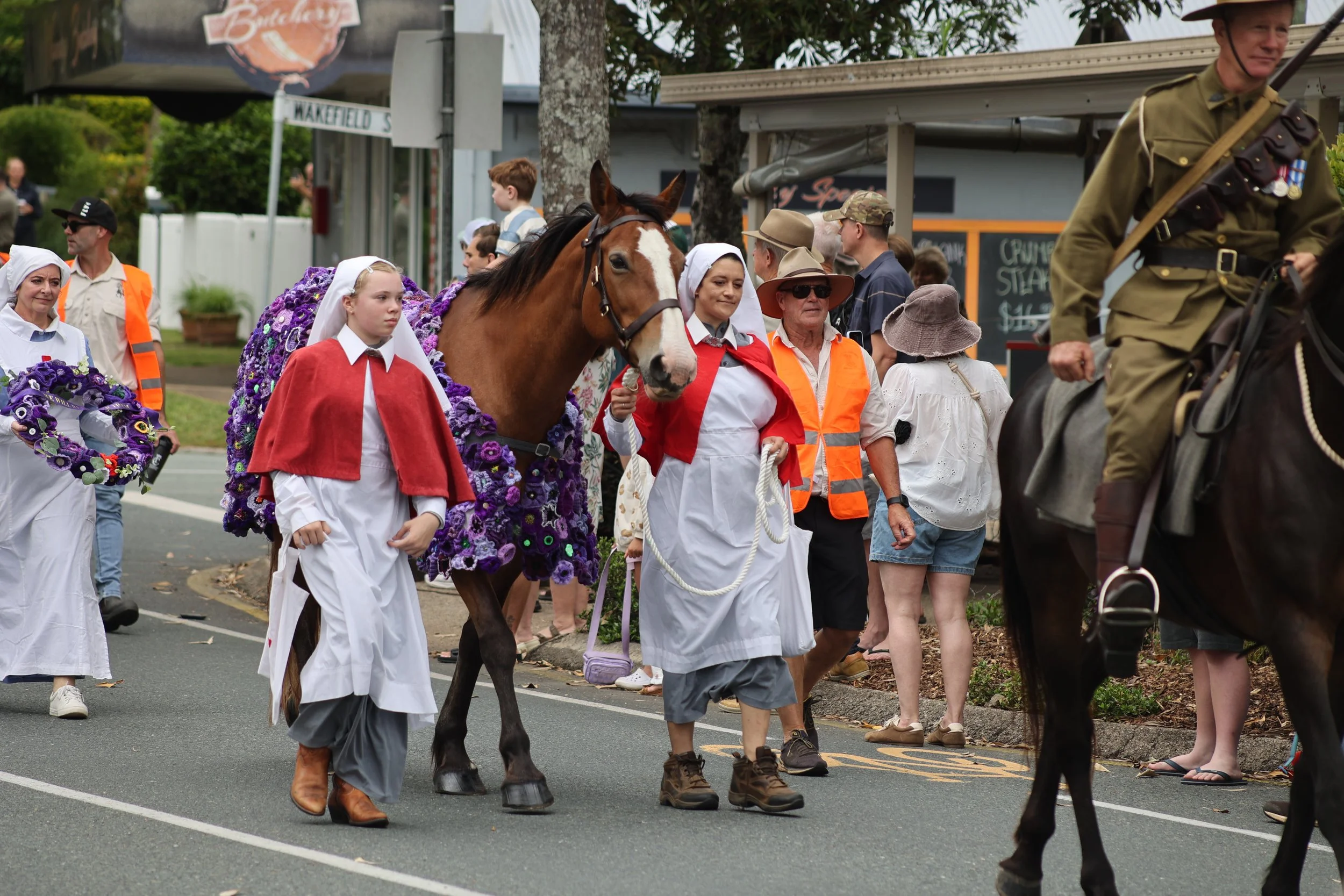
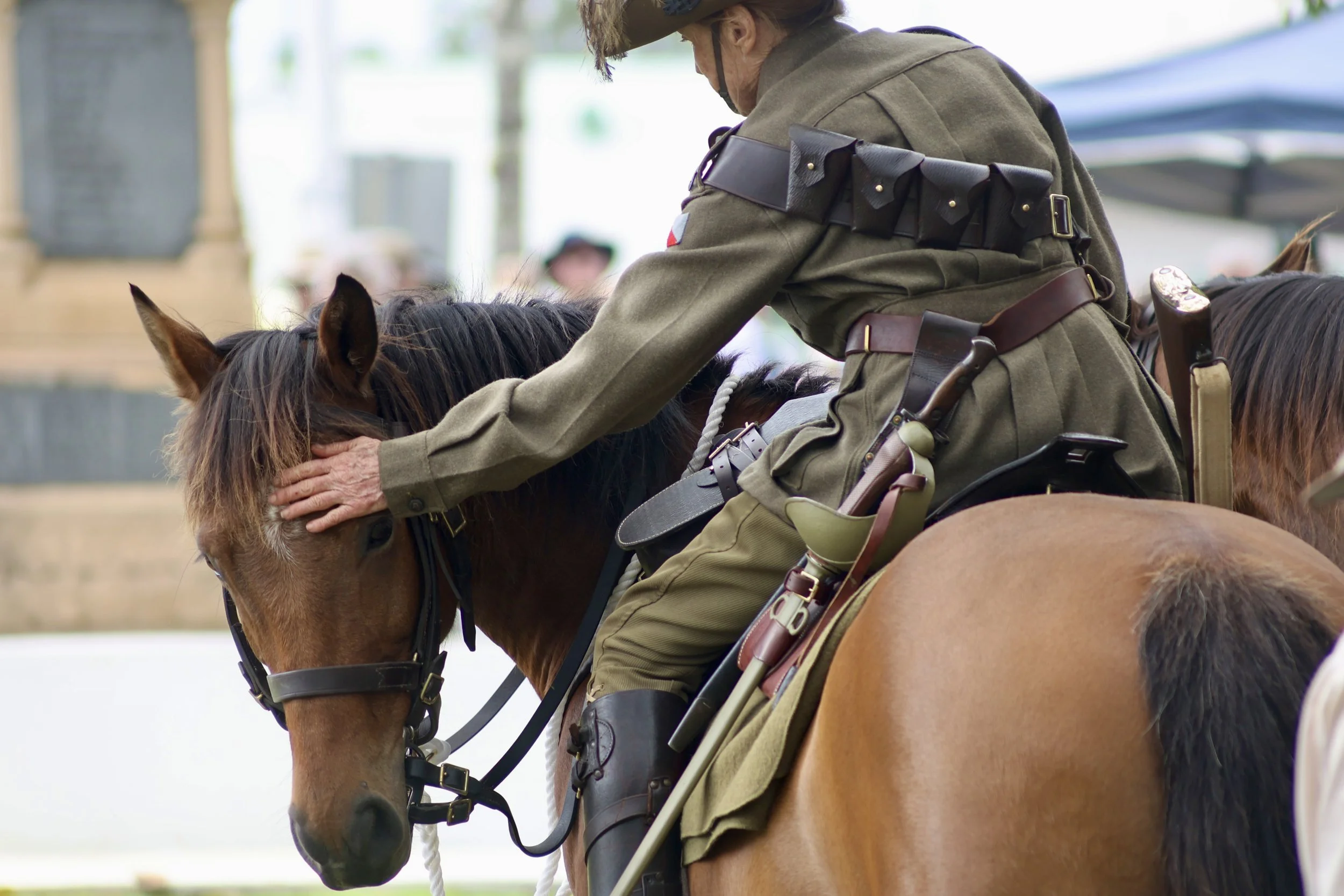
The service also honoured the horses that served and died in war, with a horse wearing a purple rug representing their sacrifice.
A wreath was laid in memory of Bambi, a horse that had participated in the Woombye commemorations before dying earlier this year.
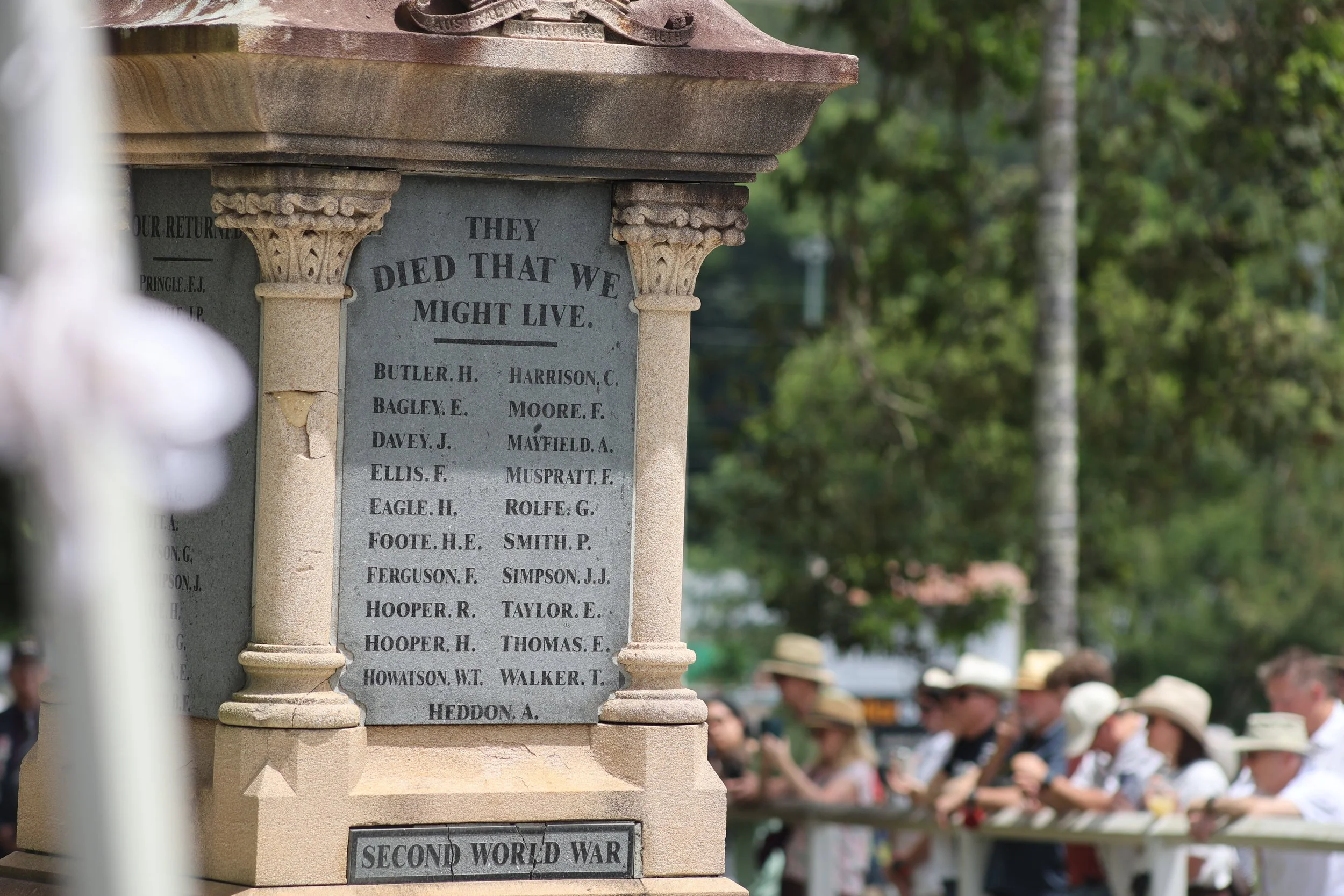
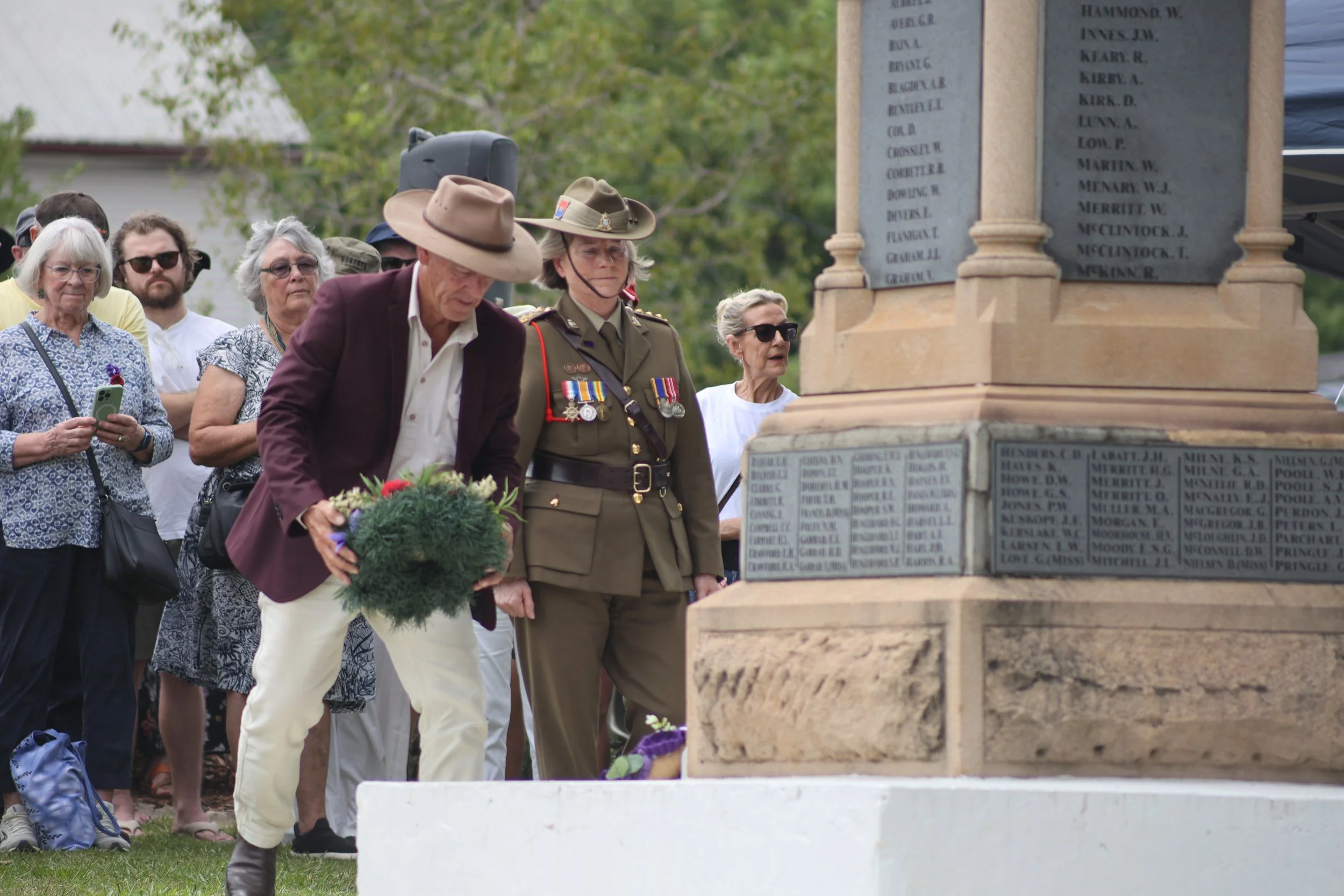
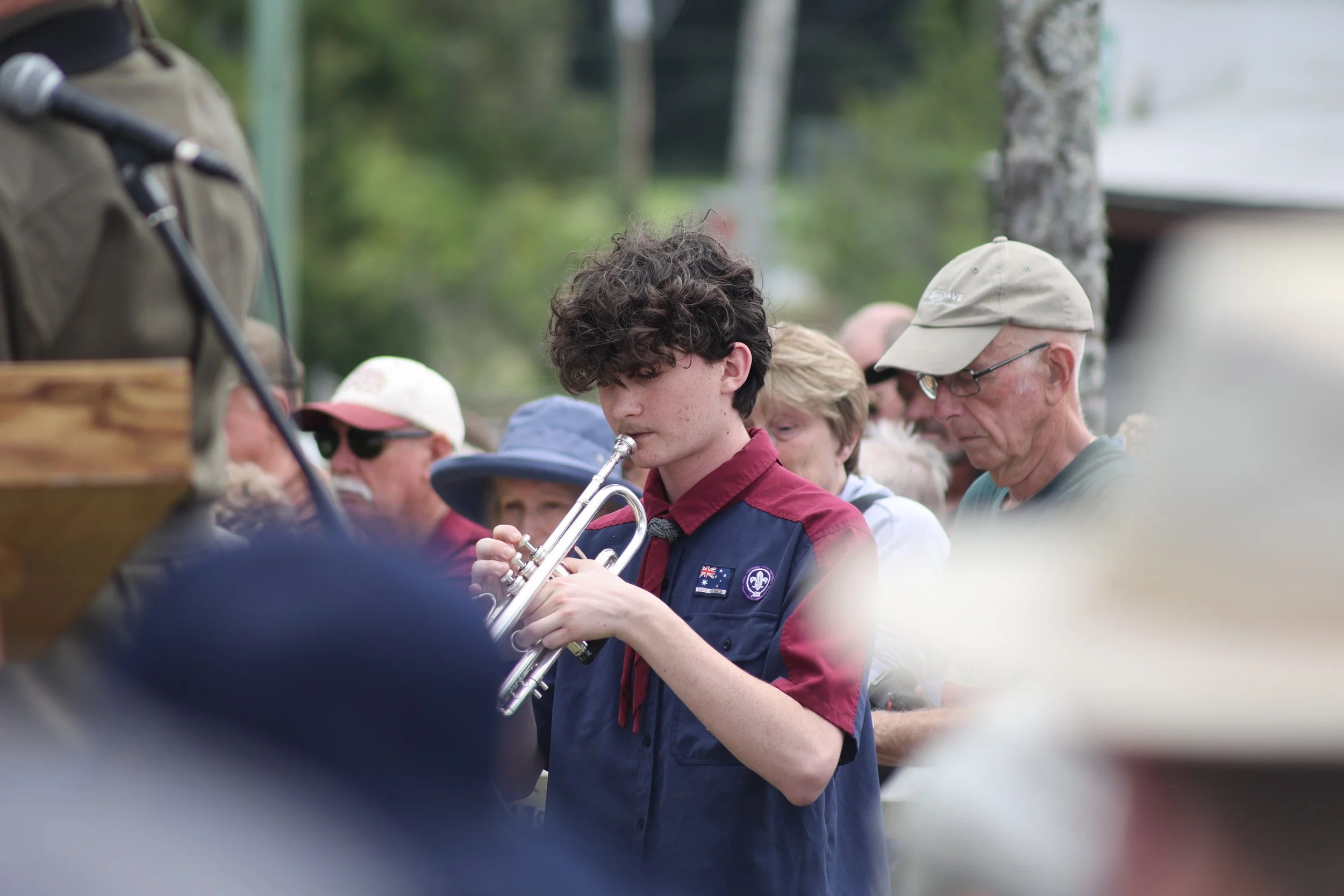
As wreaths were laid and the Last Post sounded, the gathering remembered not only those who fell at Beersheba, but all who have served Australia.
Mr Walsh thanked the Light Horse troops, volunteers and community members who continue to preserve this remarkable chapter of Australian history.
“Really at the end of the day, it's how we keep the lives of those who come before us to show the light for us in the future,” he said.