
Having their say: Local leaders weigh in on council’s Draft Planning Scheme
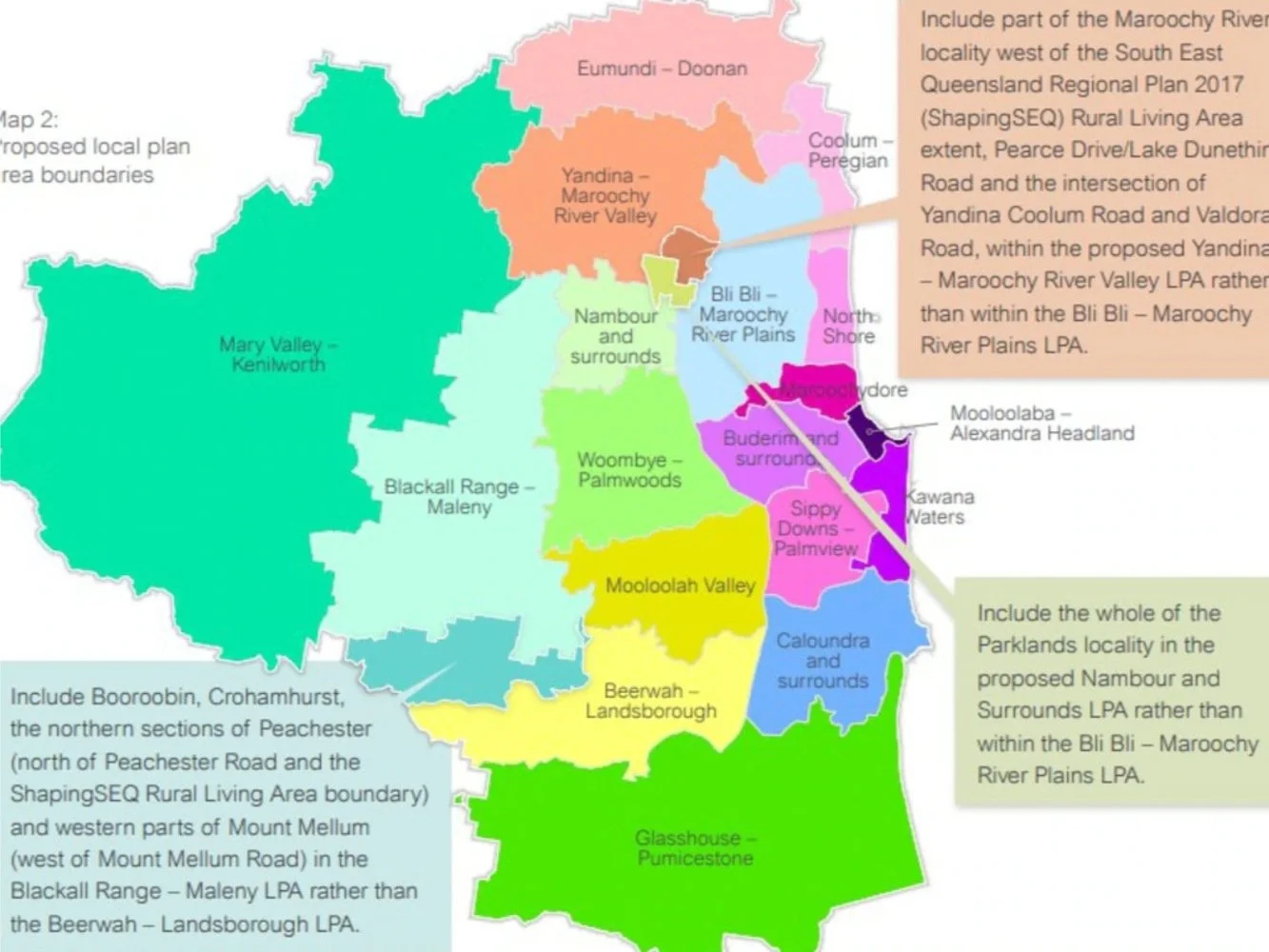
The proposed scheme has divided the Council into local plan areas.
As public consultation opens on Sunshine Coast Council’s new Draft Planning Scheme, several community members have shared their views on what the proposed changes could mean for the hinterland.
The draft scheme sets out a long-term vision to guide development across the Coast through to 2046. Key focus areas include housing supply and affordability, public transport, protection of green space, and maintaining the character of local communities.
Sunshine Coast residents have until September 19 to provide feedback before the draft is finalised and sent to the Planning Minister for approval. Locals can use council’s online mapping tool to see how the changes may affect their property.
To help inform the community conversation, the Gazette invited a cross-section of business and civic leaders to respond to the draft scheme – including real estate professionals, former councillors, and representatives of local community groups.
While many welcomed the scheme’s stated aims – including more housing choice, stronger transport connections and town centre revitalisation – others raised concerns about the ongoing pressure on infrastructure, lack of detail in key areas, or the creeping loss of hinterland character.
‘Infrastructure must accompany growth’:
RE/MAX Property Sales Director Tristan Brown

Tristan Brown
RE/MAX Property Sales Director Tristan Brown welcomed the proposed changes in the draft planning scheme and viewed it as a positive and forward-thinking step for the region.
“The clear intention to revitalise Nambour’s town centre, support a diverse range of housing, and improve connectivity through public transport and walkable neighbourhoods is encouraging. These changes reflect what many buyers and renters are seeking—more liveable, accessible, and vibrant communities without compromising the area’s unique character and natural beauty. The draft plan’s support for housing variety and gentle infill could help address ongoing affordability challenges while giving residents more lifestyle choices close to work, education, and health services.
“However, it’s important that growth comes hand-in-hand with the timely delivery of infrastructure and community services. While the planning framework is progressive, recent delays in funding key local projects—such as upgrades to amenities and public spaces—have left some residents concerned about whether these ambitions will be realised on the ground. As someone who works with home buyers and sellers daily, I see strong interest in Nambour as a place to live and invest, and I believe this plan lays a solid foundation. But it’s essential that Council follows through on infrastructure commitments to support this growth and ensure the community continues to thrive as it evolves.”
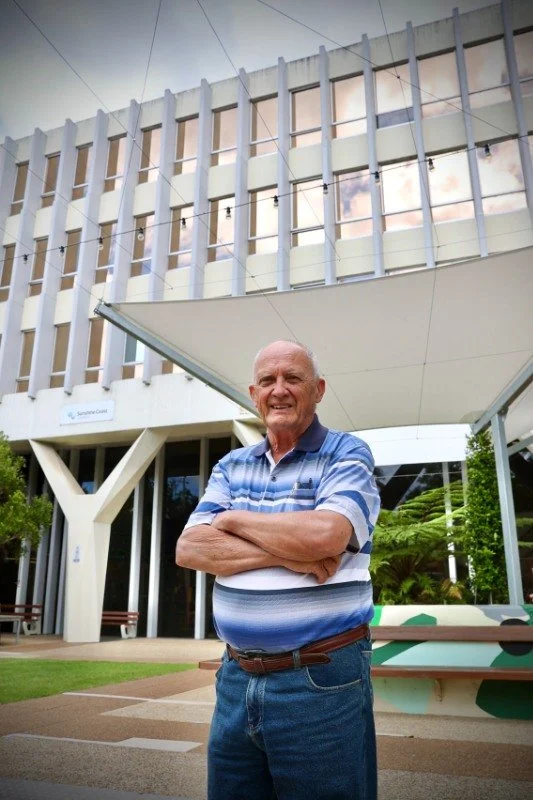
Trevor Thompson
‘Must retain our hinterland character’:
Former Maroochy Shire Council Deputy Mayor Trevor Thompson
Former Maroochy Shire Council Deputy Mayor Trevor Thompson said planning schemes were important tools to manage growth.
“You can’t shut the gate and stop growth you have to manage it. Problem is ratepayer apathy when proposed planning scheme’s are advertised with the majority not participating until down the track when the changes come into affect and it impacts on residents who then protest but then it is too late.
“It’s very important we retain the character especially with our hinterland towns and tighten up some of our planning laws whereby some development applications which impacts on historical character and visual amenity of towns are assessed under delegated authority by Council staff which bypasses the proposed development going out for the ratepayers to have a chance to object. Example the approval of a Service Station in the middle of Historic Yandina.
“I would strongly recommend that ratepayers have a look at the proposed amendments and if they identify a problem let council know.”

Rhonda Billett
‘Minimal uptake of Special Entertainment Precinct’:
Nambour Groups spokesperson Rhonda Billett
Nambour Groups spokesperson Rhonda Billett said there were minimal changes to the planning scheme this round for Nambour and surrounds but there was hope that lifting a minimum height restriction may be beneficial. “The change from the older CBD height of four stories to six stories may attract a little more investment to the CBD and that could be a good thing,” she said.
“The community would like to see more retail in Nambour also, and the planning scheme supports this, we just need to attract business investors to make it a reality for the CBD.”
Ms Billett said Nambour’s Special Entertainment Precinct zoning had fallen flat resulting in minimal uptake in the CBD and placing onerous burdens on potential residential developments. “This is something to explore further if the community want to see residential living in the CBD. Under the current planning scheme, extra noise proofing would be required by potential developers if they were to build residential dwellings in the town centre, adding further expense and costs to potential residential development plans.”
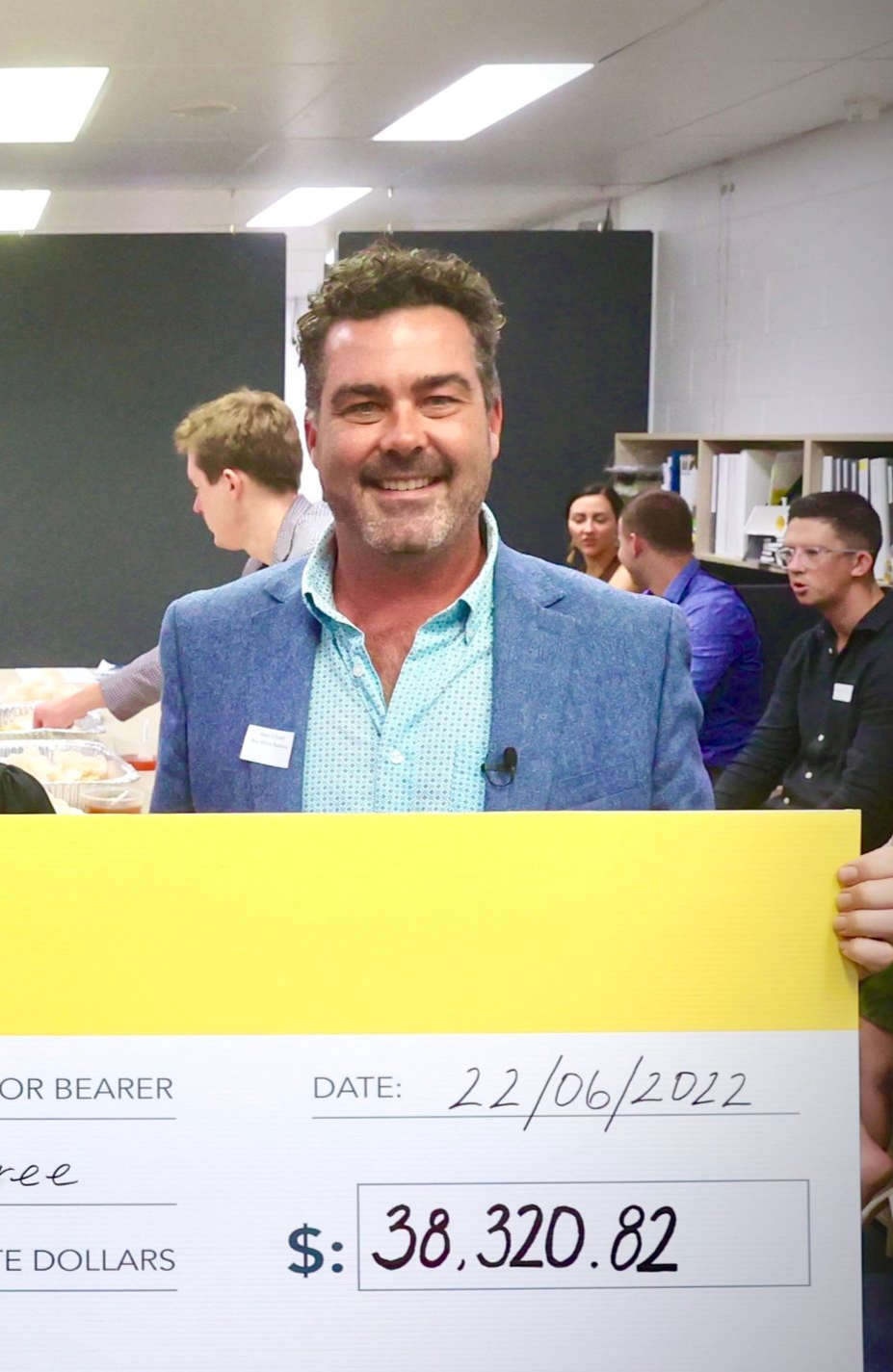
Matt O’Grady
‘More affordable housing needed in the hinterland’
Ray White Nambour Principal Matt O’Grady
Ray White Nambour Principal Matt O’Grady said the new Planning Scheme draft was due 12 months ago. “In the time it has taken to be released, land has become increasingly difficult to find, as many developers and landowners have held off, waiting to see whether lodging under the new scheme would benefit them,” he said.
“As a result, land prices in the Sunshine Coast hinterland have risen due to limited supply – a situation that could swing rapidly the other way if a large number of deferred development applications are lodged all at once. While this might sound appealing to buyers in the short term, escalating construction costs and long builder lead times remain significant challenges.
“The urban footprint has also been left largely unchanged. Once the current batch of development approvals is released and built out, we could quickly find ourselves back at square one.
“In terms of the proposed medium- and higher-density changes, I doubt there will be an immediate uptake. Acquiring suitable residential sites is expensive, and construction costs make many projects unviable for the private sector.
“There are also likely to be concerns from existing residents, especially where houses may now be replaced with four-storey buildings – dramatically altering the character of previously quiet streets.
“I don’t pretend to have all the answers, but more affordable housing in hinterland towns would go a long way toward helping first home buyers, young families, and our struggling local communities to grow and thrive.”
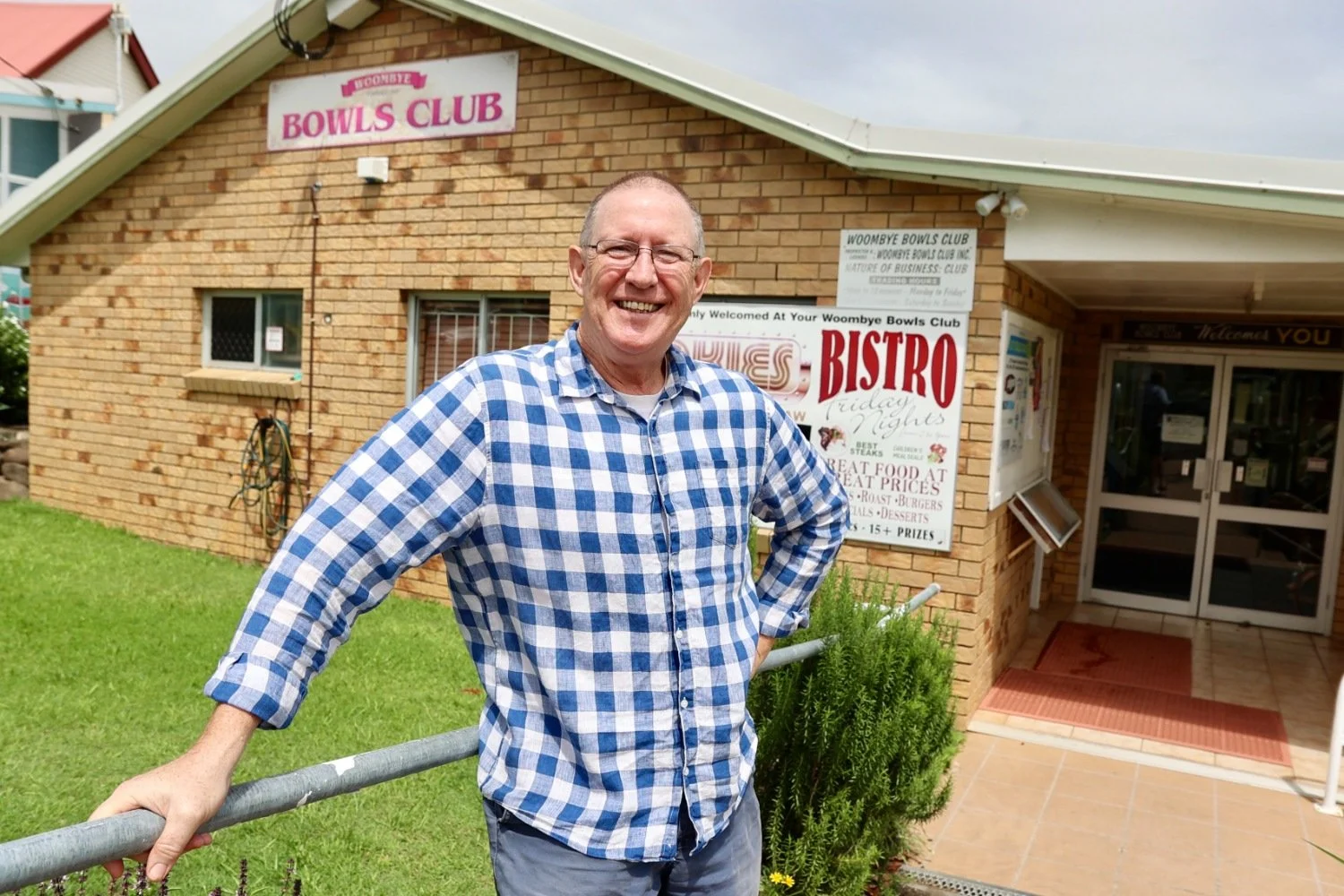
Milo Frawley
‘Dense subdivisions not consistent with our lifestyle’
WCBA President Milo Frawley
Woombye Community and Business Association President Milo Frawley said Woombye’s population growth was slowing and this is noted in the planning scheme which recognised “physical and environmental constraints” that did not permit the population boom of the early 2000’s to be replicated again.
“I am glad for this as it helps ensure Woombye’s rail stop & village-like appeal will be maintained. The planning scheme also acknowledges the importance of Woombye’s identity remaining distinct and separate to surrounding communities. The urban growth that may occur is planned to be in the proximity of existing and planned public transport. We need to place greater emphasis on the utilisation of public transport and a move away from single occupant cars.
“I am concerned the downward creep of minimum land block size continues with 800 down to 700 square metres being cited (Low Density Residential Zone). Other areas on the Sunshine Coast are already well less than 700 square metres. Woombye is primarily a rural environment and the creation of densely populated subdivisions is not consistent with our lifestyle.”
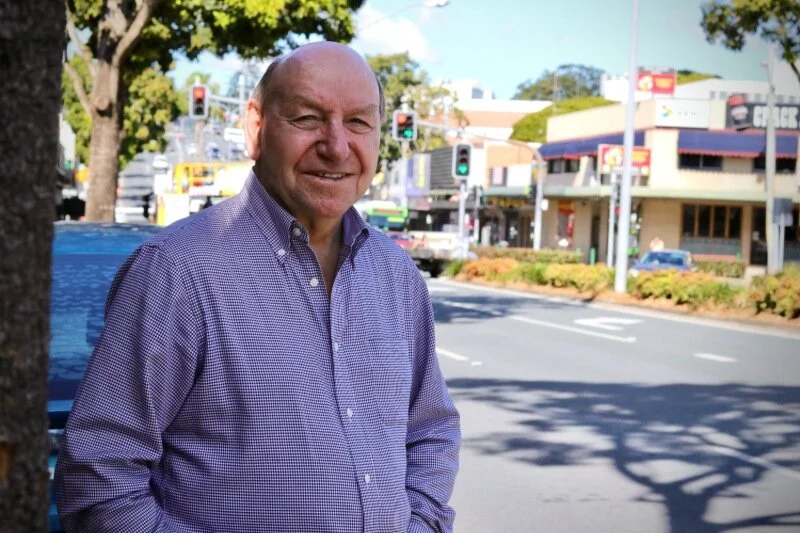
Ian Black
Plan is too light-on for new low density housing
Businessman & Nambour resident Ian Black
Long-time Nambour business owner Ian Black has criticised the draft planning scheme for overlooking the area’s potential to accommodate more low-density housing, particularly west of the highway. He said the Henebery, Burnside & Perwillowen Roads region of Nambour should be identified to allow for more new low-density housing.
“The poignancy of my comment especially relates to Nambour’s already-established infrastructure for new residents to enjoy, which presently is highly under-utilised.
“Well over 100 years worth in fact, of all the infrastructure that communities need to support and enjoy daily life. In my opinion it makes an awful lot of sense to fully utilise what we have, thus achieving savings to the bringing on of new. What happened to the infill plan championed over 20 years ago?”
Draft scheme won’t meet housing needs: developer
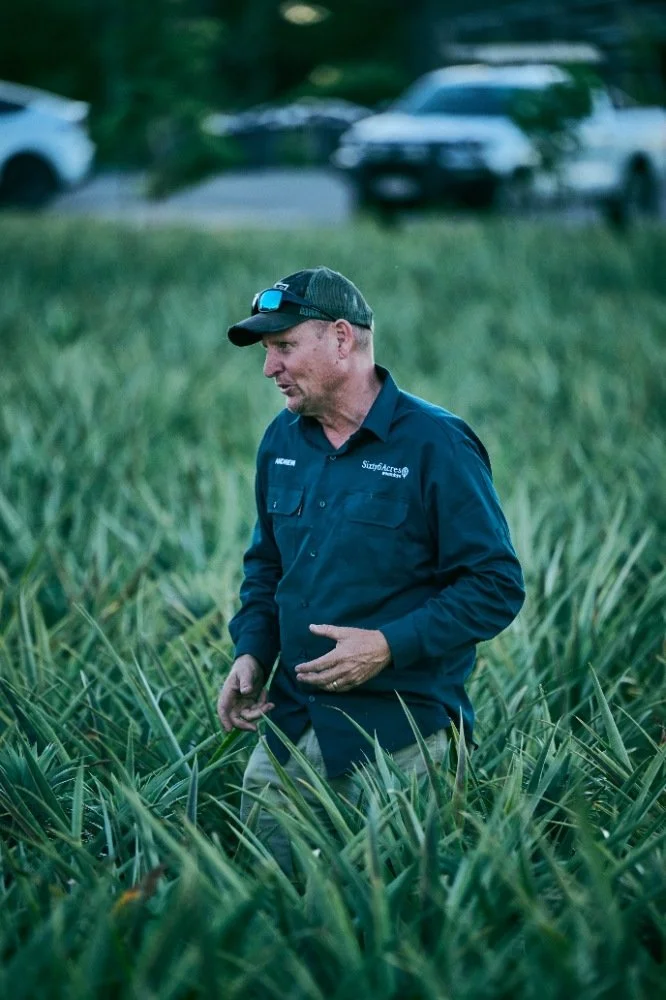
Andrew Pitcher
Sunshine Coast Council’s proposed Planning Scheme has drawn fire from local developer Andrew Pitcher, who says the draft will do little to address the region’s looming housing shortfall.
Council opened consultation this month on its fully web-based Planning Scheme, featuring interactive maps, new local plan areas and targeted zoning and height changes. Submissions close on Friday, 19 September.
But the experienced developer who recently completed Sixty6 Acres in Woombye said “the planning scheme is basically done and dusted after a two year process” and that any chance of late-stage changes in being made was “remote”.
He said proposed building height increases wouldn’t boost supply. “Building costs are too high & make multi-storey construction, in most places, unviable.”
More worryingly for hinterland towns, Mr Pitcher notes “the amount of land that has been rezoned to support housing is basically zero”. He highlights three missed opportunities that would amount to several thousand potential residential lots being available in the next few years: Perwillowen Road in Burnside, Heneberry Rd West in Nambour Heights and the land in the urban-footprint land between Bridges and Yandina.
“As developers, we have no product to develop, so are therefore nearly out of business on the Sunshine Coast,” he says.
Mr Pitcher also called for a fundamental shift in local government’s approach to Nambour’s future. He would like to see a “massive reduction in red and green tape” to spur private investment, starting with a rapid, simplified renovation of the old council chambers: “the numbers I’ve heard that are required for this renovation are staggering… it needs to be fast-tracked but cut back to bare minimum requirements”.
He also urged the sale of the City Hall in Maroochydore “to pay down debt and relocate workers back to more appropriate offices”. He said stronger action was needed on crime and homelessness in Nambour. “Nambour is being used and is pulling more than its fair share of the burden regarding the state’s vulnerable people”.
He said Nambour’s struggling “Special Entertainment Precinct” zoning should be removed. “It hasn’t worked. Nambour is an industrial, tradie-based town and as much as possible of the CBD and surrounds should support this,” he said. “Where there is business activity there is prosperity.”
Have your say
Council says the draft scheme aims to protect natural assets, accommodate growth in activity centres and improve design outcomes. Residents can review the proposal and have their say at haveyoursay.sunshinecoast.qld.gov.au/newplanningscheme.
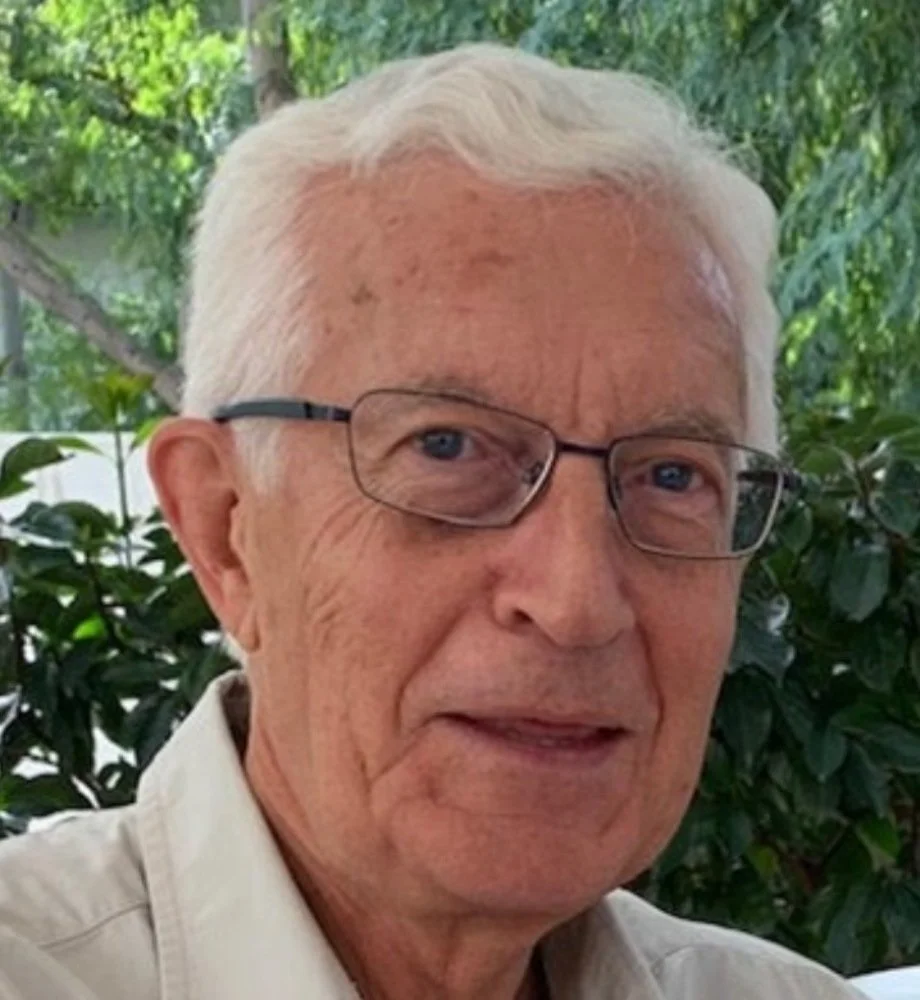
Max Standage
MADCA responds to Draft Planning Scheme
The Sunshine Coast Council has released its draft planning scheme, outlining how the region will grow and develop in coming decades. For communities in the Blackall Range – Maleny Local Plan Area (LPA), the document sets out provisions for zoning, building heights, tourism development, and environmental protection.
Max Standage, President of the Mapleton and District Community Association (MADCA), pictured, has welcomed many elements of the plan. “We’re pleased to see building height limits generally retained at two storeys and 8.5 metres, and minimum lot sizes preserved. The strengthened scenic amenity protections and clearer controls on tourist accommodation are also very welcome,” he said.
However, Mr Standage raised serious concerns about the continued exemption of Council-owned quarries—such as those at Dulong and Image Flat—from public consultation requirements. “These sites are classed as Community Facilities and accepted development, meaning expansions can proceed without community input. In contrast, private quarries must go through full impact assessment. That’s not fair,” he said.
Although the Council scrapped its quarry privatisation process in late 2024 following community pressure, and has begun a six-month operational review, no changes have yet been made to how extractive industries are treated in the planning scheme.
MADCA is encouraging residents to engage with the consultation process. “This is the community’s opportunity to ensure the new scheme reflects local values,” Mr Standage said.
The public consultation runs until Friday, 19 September 2025. Residents can view the draft scheme, explore zoning maps, and make a submission via the Sunshine Coast Council’s Have Your Say website.
MADCA website: https://www.madca.com.au or Range Community News website: https://rangecommunitynews.au