A lifeline built from heartbreak: endED calls for community to stand with families battling eating disorders
Mark and Gay Forbes have turned their family’s heartbreak into a lifeline for people living with eating disorders. And they are now asking Sunshine Coast businesses to help keep it going.
Speaking at endED’s Network and Community afternoon (November 13) at the House of Hope in West Woombye, Mr Forbes said the charity began 10 years ago after both their daughters developed eating disorders and the couple realised nothing in Australia was working as a residential model.
“So we actually built Australia’s first one that’s in Mooloolah Valley now. It’s called Wandi Nerida, now operated by the Butterfly Foundation,” he said.
House of Hope is the second stage of that vision – a non-clinical “step up, step down” day program for people leaving residential care, stuck on waiting lists or needing more than a standard outpatient appointment. The former nine-bedroom home has been converted into therapy and support spaces where eight staff with lived experience run groups and one-on-one sessions.
“We only employ lived experience for the reason that it’s important for somebody looking for support to understand that they don’t have to explain their journey because the people that work here understand it themselves,” Mr Forbes said.
About 15 allied health and community organisations now use the West Woombye property each week, including for yoga, counselling and small group programs in the gardens.
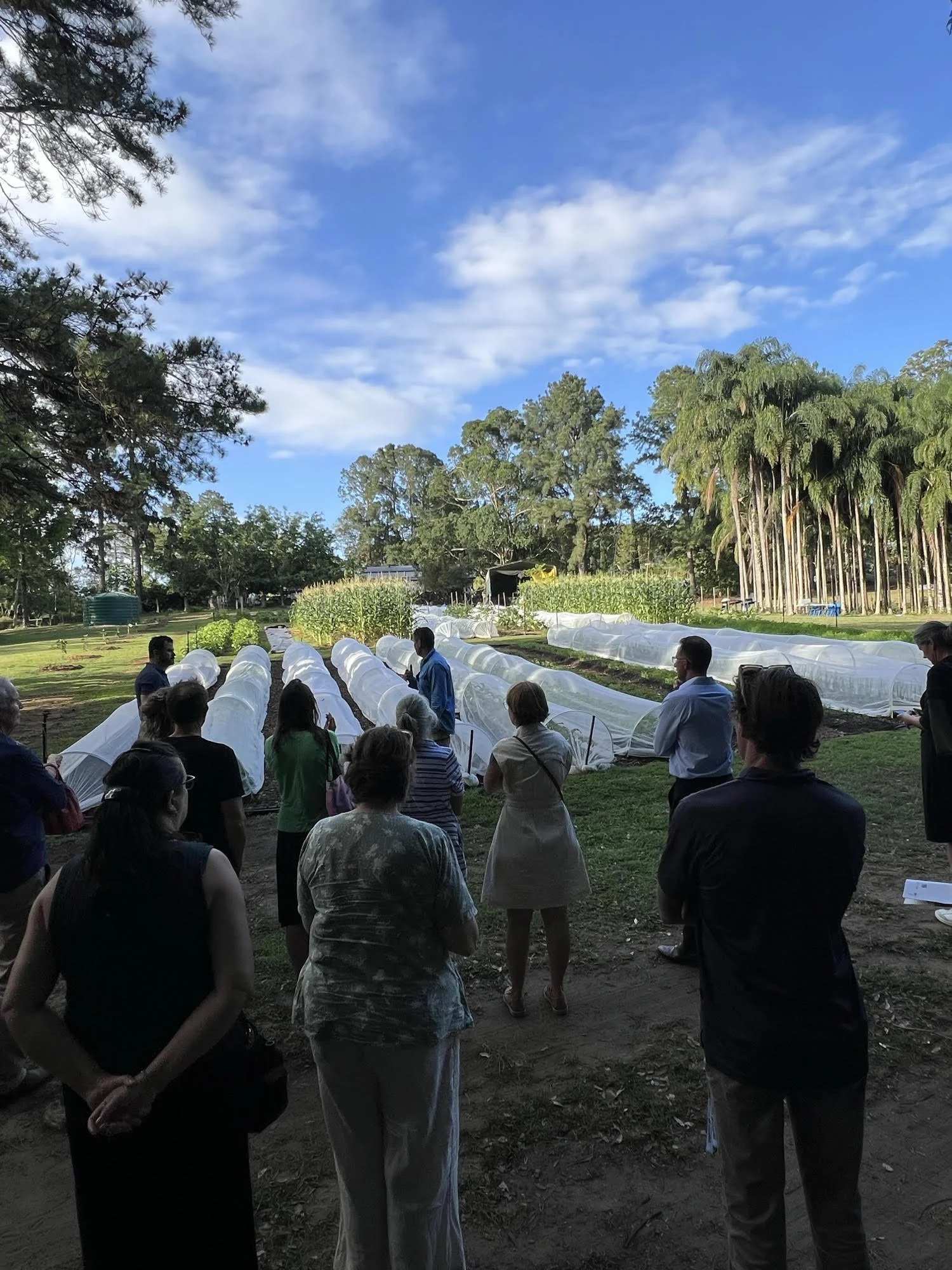
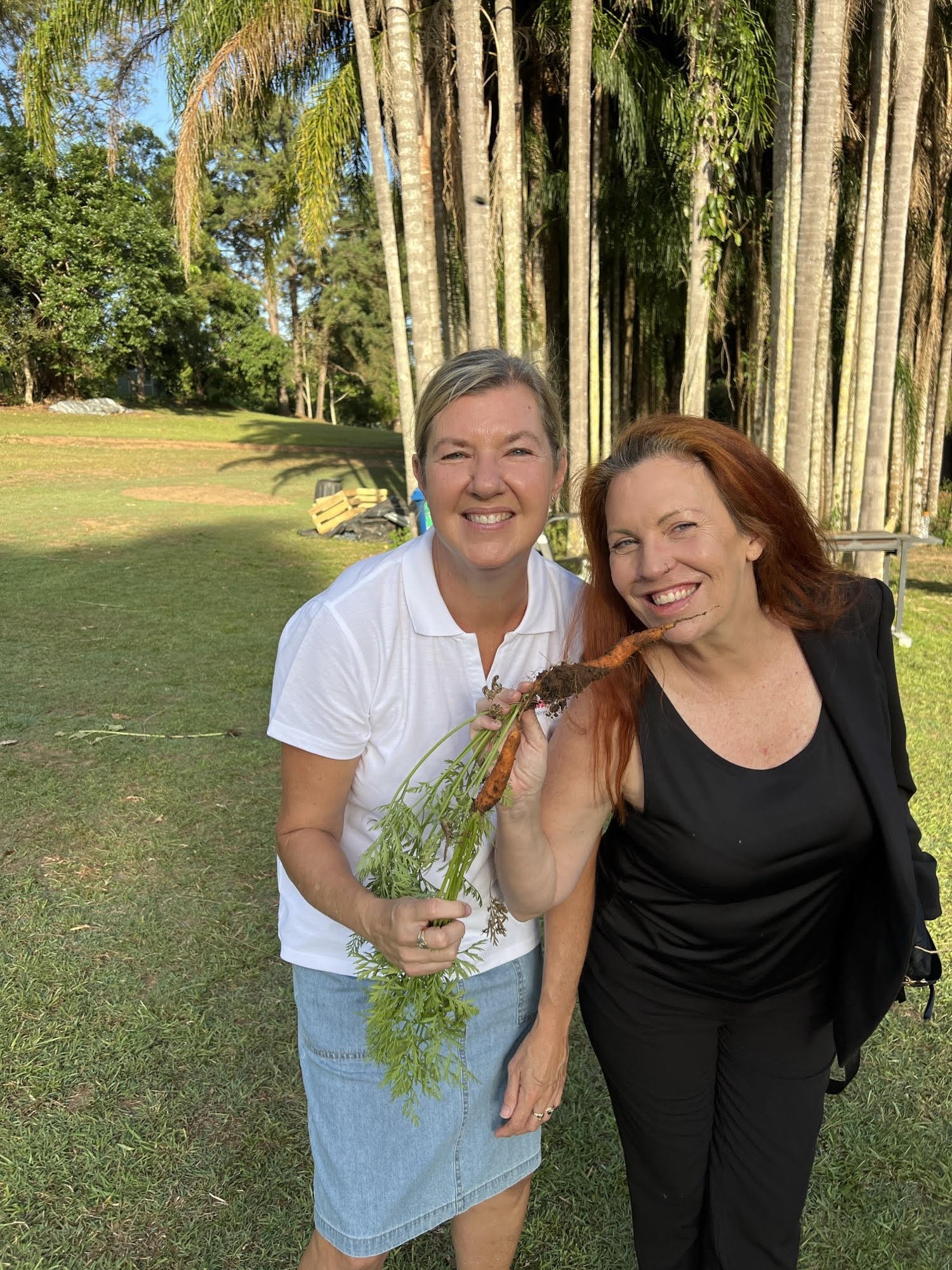
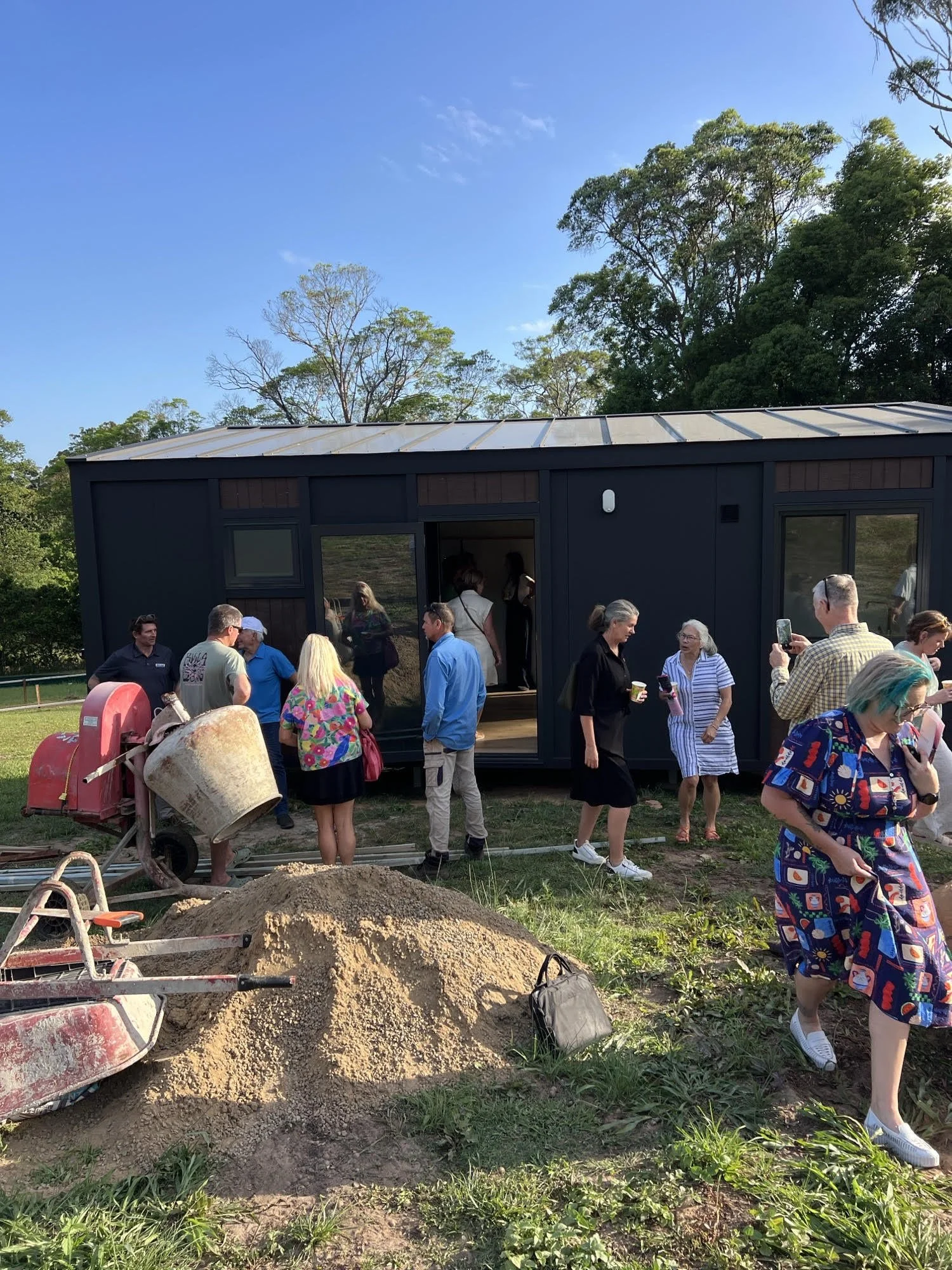
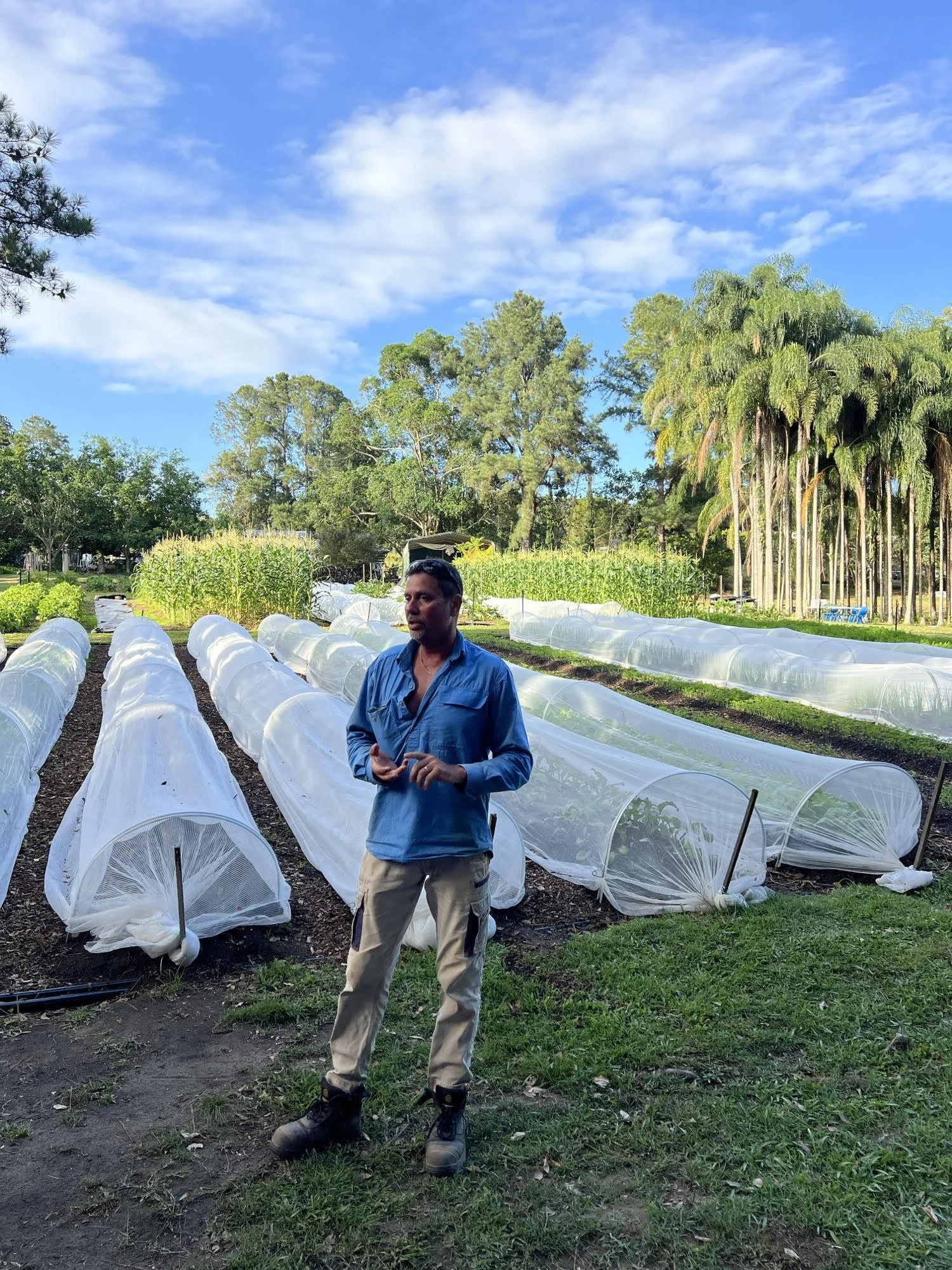
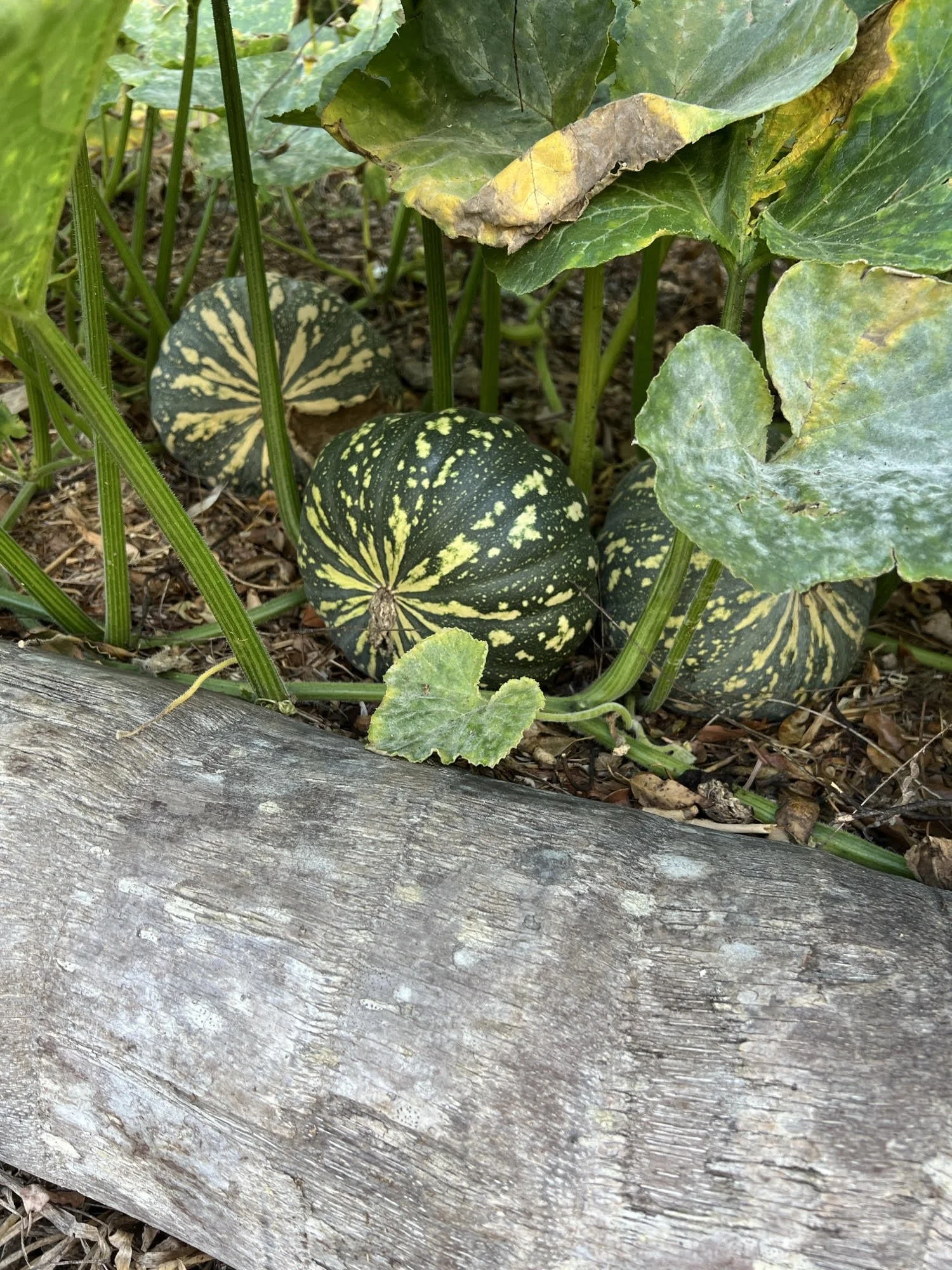
The synergies are remarkable. Across the road, the couple have used their superannuation to buy a 10-acre block for a short-term accommodation village linked to House of Hope. State Government funding of $1.9 million is helping build tiny homes for at-risk teens. Alongside the tiny homes, a Teens Take Control program oversees a community farm run by teenagers and led by community gardener Danny Middleton. Meanwhile, Urban Angels, which has delivered meals to House of Hope for three years, now uses the farm’s harvest in its kitchen before sending meals back out into the community.
“Urban Angels come in here, deliver meals, and go over there and get the produce, take it to back their kitchen, and they’re delivering 12,000 meals a month back to community,” Mr Forbes said. “So everything that’s here is here for a reason, and it’s connected and it has a story.”
But keeping it all going is a constant financial challenge.
“Because of our staff, we need $550,000 a year just on wages. We’re volunteers. Our board don’t get a cent,” Mr Forbes said.
Government funding, property projects and annual fundraisers all help, but Mr Forbes said endED also needed reliable base income. And that is where the new endED 150 Club comes in.
“We just ask businesses to kick in $150 a month. Then we have network meetings,” he said.
He said the 150 Club was already bringing like-minded business owners together and opening doors for new collaborations.
As well as supporting those with an eating disorder, endED backs parents, partners and siblings and is pushing for law reform so carers cannot be easily shut out once a young person turns 16.
Mr Forbes told guests eating disorders remained widely misunderstood despite their impact.
“In the States, one person dies every 53 minutes from an eating disorder,” he said. “In Australia, more people die from eating disorder annually than national road toll. And here on the Sunny Coast, we’ve got about 57,000 people directly impacted by an eating disorder. And when we say directly impacted, it’s the whole family.”
Mrs Forbes said community awareness and open conversation were vital.
“It’s not shameful, they shouldn’t feel guilty over it,” she said. “And that’s one of the things we want to do is just keep that awareness around.”
Mrs Forbes said said children were starting to worry about their bodies at a frighteningly young age, driven in part by social media.
“Your bodies are fine, they’re just an earth suit, really, it’s your heart and the soul that is who you are,” she said.
Mr Forbes said the integrated model they had built at West Woombye – residential care linked to a House of Hope, short-term village and community garden – should be replicated around the country.
“The other residentials that are in Australia, they all need a House of Hope. They all need a short-term accommodation village, and they all need a community produce garden because it ties it all together so beautifully,” he said.
• For more information or to join the 150 Club go to www.ended.org.au or email cindy@ended.org.au


Mark and Gay Forbes.