
Doctors warn of alarming increase in syphilis cases
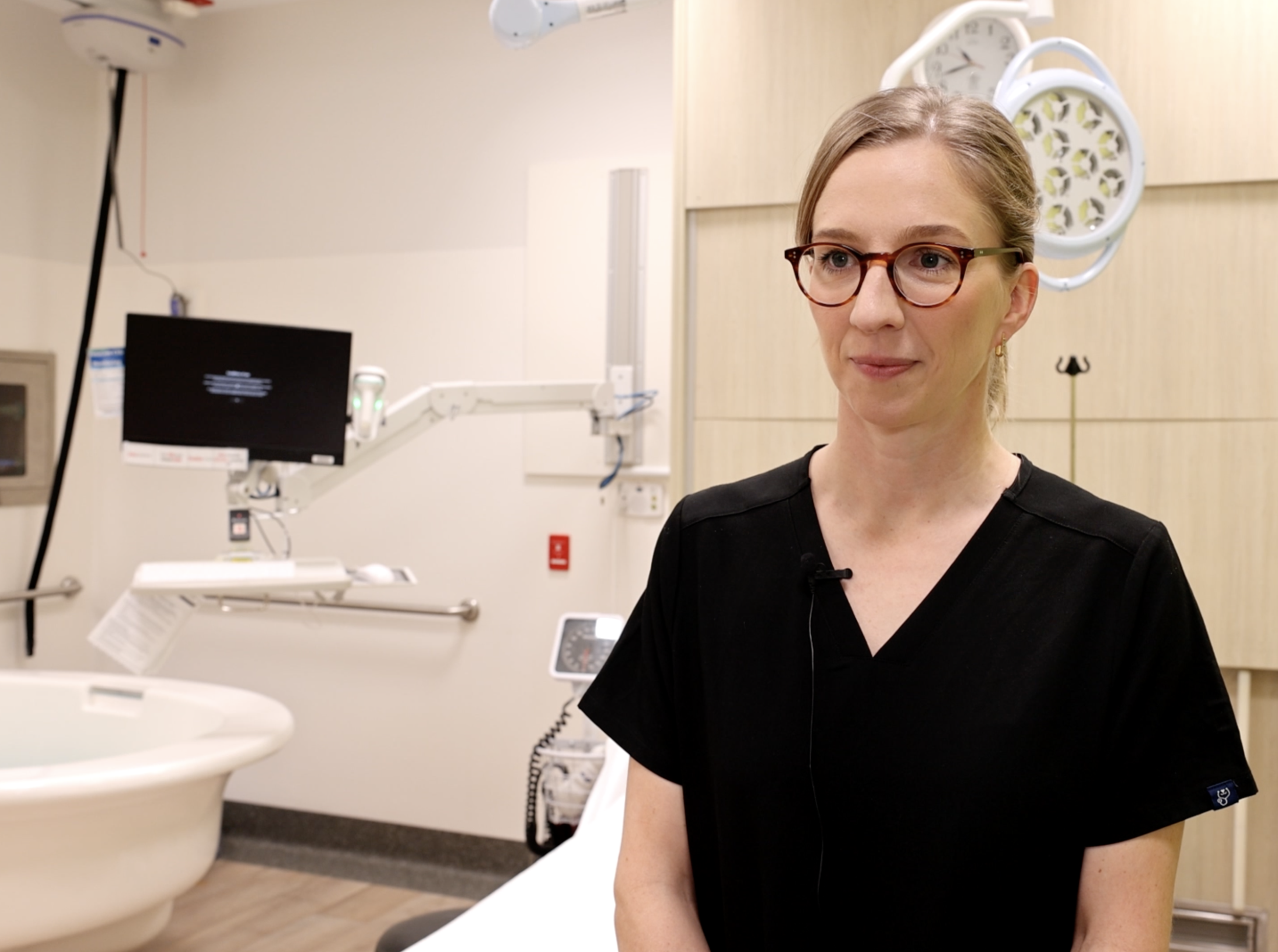
Sunshine Coast Health Obstetrician Dr Vanessa Watson.
Sunshine Coast Health doctors are warning the community about an alarming increase of syphilis cases.
Cases are surging cross Australia, including on the Sunshine Coast, where they have more than doubled over the last few years.
The latest figures reveal 95 cases were recorded in our region last year, compared to just 38 cases in 2022.
Sunshine Coast Health's Sexual Health Medical Director Dr Kuong Taing said it's a concerning rise, as people may not know they have the infection and it can cause serious complications.
Dr Taing said the infection can be silent or involve mild skin symptoms at the beginning, but over time it can cause severe, irreversible health damage to the brain, heart and organs if left untreated.
He urges sexually active people who may have new or multiple partners to get tested regularly, even if they don't have symptoms.
Testing is via a simple blood test and treatment with antibiotics is very effective. People can get a blood test with their usual GP, private sexual health clinics, or with Sunshine Coast Health through the sexual health clinics based at Caloundra Health Service and Nambour and Gympie hospitals.
“It’s easy to treat and easy to prevent, but if you leave it too long it leads to very serious complications," Dr Taing said.
Sunshine Coast Health Obstetrician Dr Vanessa Watson said the infection can also be passed from pregnant mothers to their babies, causing an increased chance of premature birth, babies not growing to their full potential or even still births. It can also cause serious long-term health problems after they're born.
"The number of women in Australia who get syphilis has increased by about six times in the last ten years and there's been a corresponding infection rate for the babies that's similar."
Dr Watson said this has led to a recent change in testing guidelines for pregnant women. All expectant mothers are now offered testing via standard blood tests at three different stages of pregnancy.
"We routinely used to test woman just once at the start of the pregnancy and then women who were thought to be at higher risk of contracting syphilis were tested later again in the pregnancy," Dr Watson explained.
"The change in practice means we're testing everyone more routinely and I'm hoping that's going to reduce any stigma around testing as well."
Dr Watson said early treatment in mothers dramatically reduces the chance of the baby being impacted.
"Thankfully syphilis that effects a baby is still pretty rare but the fact that that number's jumped up significantly and it's a very preventable problem, means we really have to take action and make sure we're not missing any cases."