
Local workshops aim to help families navigate social media changes
By Behaviour and Mental Health Practitioner, Marisa Netherwood
With the upcoming under-16 social media delay taking effect on 10 December, many hinterland families are preparing for a transition that feels both necessary and challenging. While it isn’t technically a ban, the reality is that many young people will still be caught in the cross-waters as the change rolls out. Some won’t feel much loss at all – but for others, the shift will remove something that has played a big role in their daily lives.
As a parent to a 14-year-old, I wanted to understand what role social media actually played for young people: connection, identity cues, entertainment, dopamine reward, creativity, sensory regulation and more. When you remove something that meets multiple psychological needs, kids don’t just lose a pastime – they lose a structure. And structure needs replacing, not ignoring.
With that in mind, we’ve created a one-hour parent and caregiver information session to help families understand the delay, anticipate emotional and behavioural ripple-effects, and support their children with clarity and empathy rather than confusion and conflict. Central to the session is the Bridge Matrix – an 11-category framework mapping out what social media used to offer and how families can rebuild those benefits in healthier, real-world ways. Parents receive a printable version to co-design with their child, creating a personalised plan that feels collaborative rather than imposed.
But we’ve also recognised another challenge: many teens and tweens simply won’t sit down with a parent to workshop an activity plan. Developmentally, it’s normal – not defiance, just a need for autonomy. So we’ve also developed a two-hour teen workshop that delivers the same bridging principles through novelty, movement, hands-on activities and self-driven exploration. It helps young people craft their own matrix in a way that feels empowering and age-appropriate.
This change presents a challenge – and with the right tools and mindset, it can become an opportunity to strengthen wellbeing, rebuild real-world connection, and support kids who will genuinely feel the impact. Local parents and caregivers interested in early session details are welcome to get in touch at info@yourmindredesigned.com.
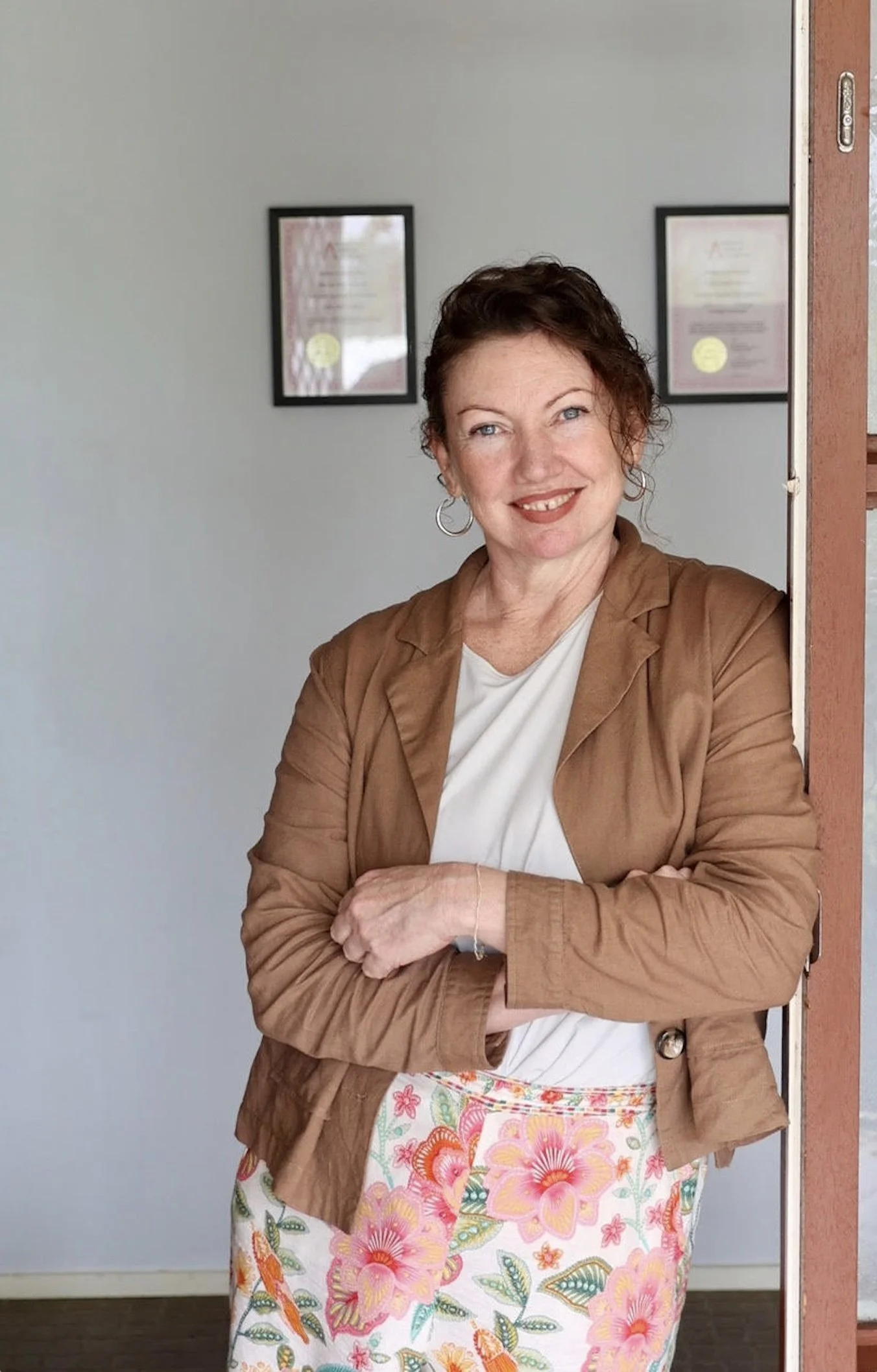
Marisa Netherwood “When you remove something that meets multiple psychological needs, kids don’t just lose a pastime – they lose a structure.”