
Bird Flu alert: What Sunshine Coast residents need to know
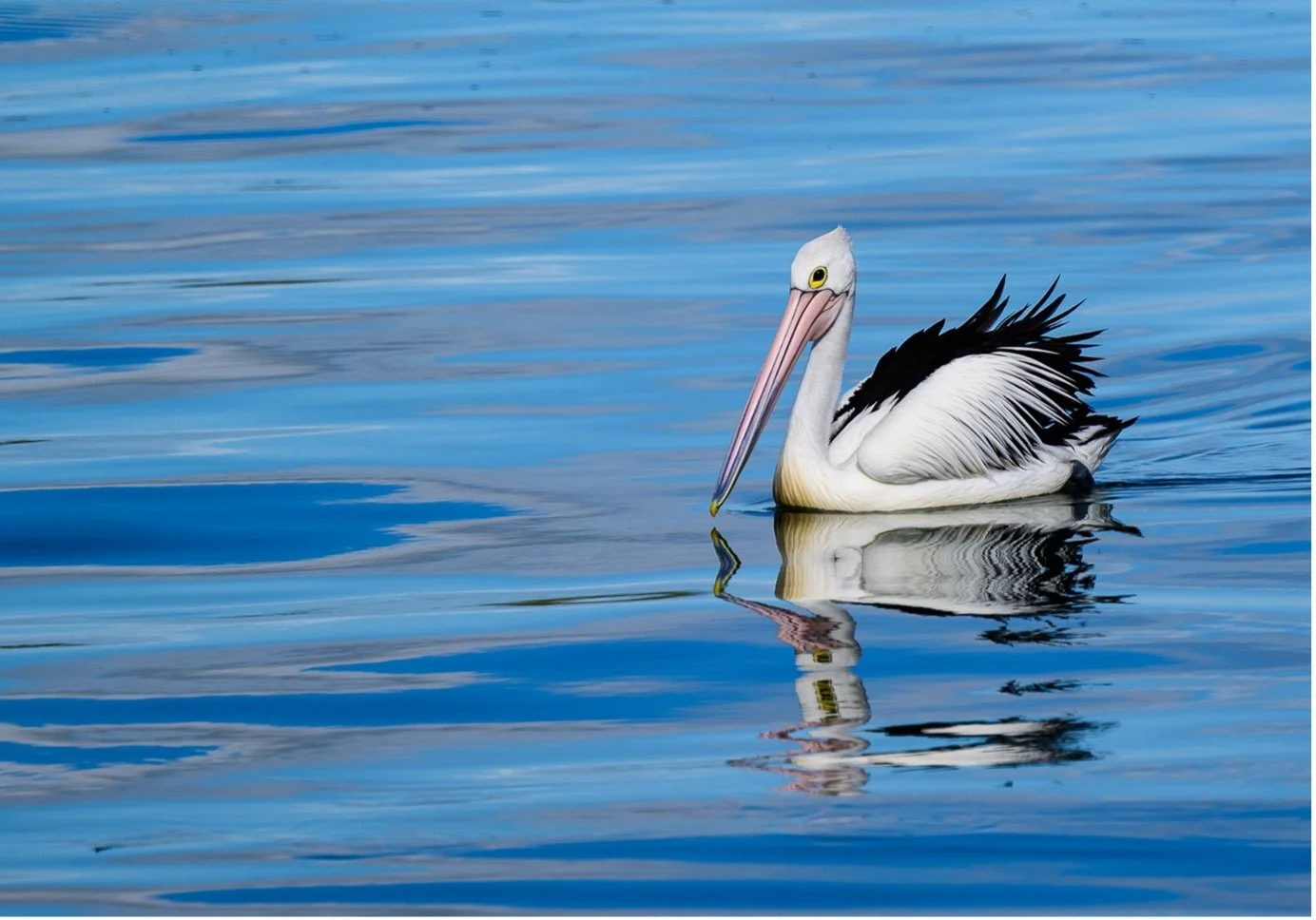
Wildlife news from Jennifer Berry, story written by Amy Garden Wildlife Volunteers Assoc. Inc (WILVOS) 54416200 www.wilvos.org.au
Australia’s long-standing status as free of the globally circulating H5N1 strain of avian influenza ended in June 2026, when several migratory seabirds found on the southern coast tested positive for H5 bird flu. As at early July, there was no evidence of mass mortality in wildlife or spread to poultry, and the risk to humans remains low – but with the virus now in Australia, everyone can help by knowing the signs and reporting early.
Bird flu spreads between animals through droppings, respiratory secretions, and contaminated environments, equipment, footwear and clothing. It can persist in the environment for extended periods. It affects wild birds – especially seabirds, waterbirds and shorebirds – as well as birds of prey and scavengers, and can occasionally infect mammals, including pets.
If you suspect a wild animal may be infected with H5 bird flu, or even if you are in doubt:
• AVOID. Keep yourself and others safe. Don’t touch or handle the bird, observe from a distance and keep pets and children well away. Do not make direct or indirect contact with sick or dead wildlife or their immediate environment.
• RECORD. Make a note of: Date and time; Location (GPS pin, nearby roads or landmarks); Type or description of birds or animals; How many birds or other animals are sick or dead; What they look like (freshly dead or just bones, signs of disease); If safe take photos or ideally a video of animals affected
• REPORT sick or dead wild animals via the Emergency Animal Disease (EAD) Hotline on 1800 675 888 (reporting is a legal requirement if you suspect bird flu) or call the WILVOS 24-hour hotline on 07 54416200 for guidance.
When should you report? You should report any cluster of 5 or more sick or dead wild birds of the same species. You should report even just 1 or more sick or dead seabirds, waterbirds, shorebirds or birds of prey.
If you’ve had contact with a dead bird or contaminated areas, wash your hands thoroughly, and monitor yourself for flu-like symptoms (fever, cough, sore throat, sore eyes, body aches) for up to 10 days. See you doctor if symptoms develop and mention your contact with wildlife.
Standard hygiene precautions should always be used when handling any wildlife. Thank you for helping protect our wildlife and community.