Palmwoods couple shows what patient landcare can achieve
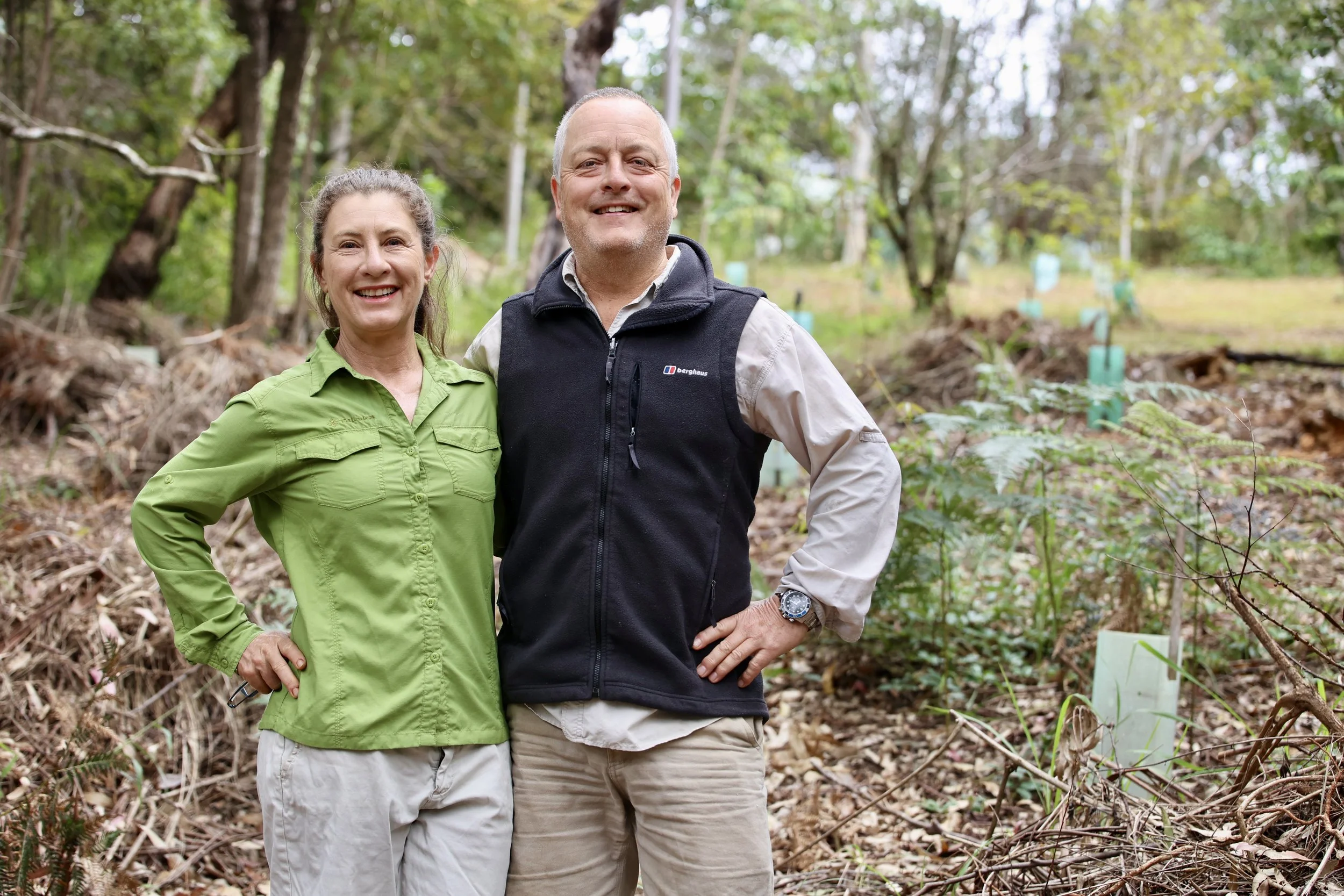
Hein and Megan Van Dam have spent the past eight years transforming their 17-acre property.
A Palmwoods couple has turned a weed-choked rural block into a growing refuge for native wildlife and plants, showing what can be achieved when private landholders are supported to restore the environment one stage at a time.
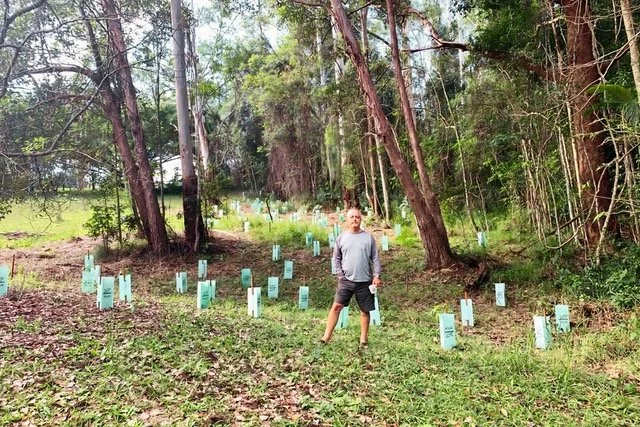
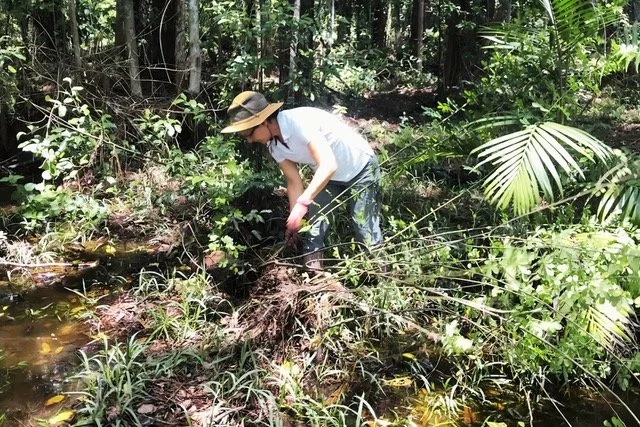
Hein and Megan Van Dam have spent the past eight years transforming their 17-acre property, tackling invasive weeds, restoring habitat and improving creekside areas with help from Sunshine Coast Council’s Landholder Environment Grants program.
The couple began working with Council in 2018 through the Land for Wildlife program and developed a staged plan rather than trying to fix the whole property at once.
Their work started with the removal of invasive slash pines before moving into the gradual restoration of their creek corridor.
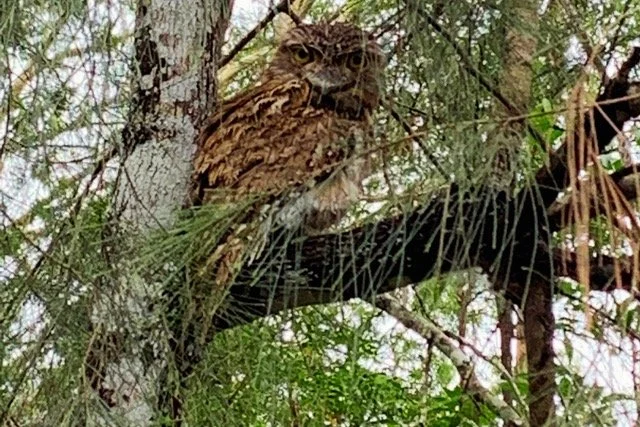
Over time, grant support has helped them control a significant lantana infestation, regenerate areas with targeted planting and create habitat for birds, butterflies and pollinators. Their efforts have also strengthened riparian zones along the creek, improving the health and resilience of the property.
Council is now encouraging other rural landholders and primary producers to follow their lead, with a new round of Landholder Environment Grants opening on July 6.
Sunshine Coast Council Environment Portfolio Councillor Tim Burns said much of the region was in private ownership, making partnerships with rural landholders vital to achieving broader environmental gains.
“This competitive program is funded by our Environment Levy and we’re encouraging targeted applications from rural landholders and primary producers ready to undertake practical environmental improvements on their land,” Cr Burns said.
“We’ve found that providing landholders with financial support and expert advice leads to real, on-ground change across the Sunshine Coast Biosphere.
“Due to strong demand, we’re prioritising projects that deliver clear environmental outcomes and our conservation partnership team is ready to support the next wave of projects.”
Council’s Coordinator of Community Catchment Partnerships Denise Lindon said the strongest results often came from staged projects that built momentum over several years.
“We find that although landholders can apply for the full $15,000 funding, which they match 50:50, the strongest results come from staged projects that build year on year and deliver long-term environmental improvements,” Ms Lindon said.
Expressions of interest close on August 10, with full applications due by September 28.
• Visit Council’s website for guidelines and to apply.