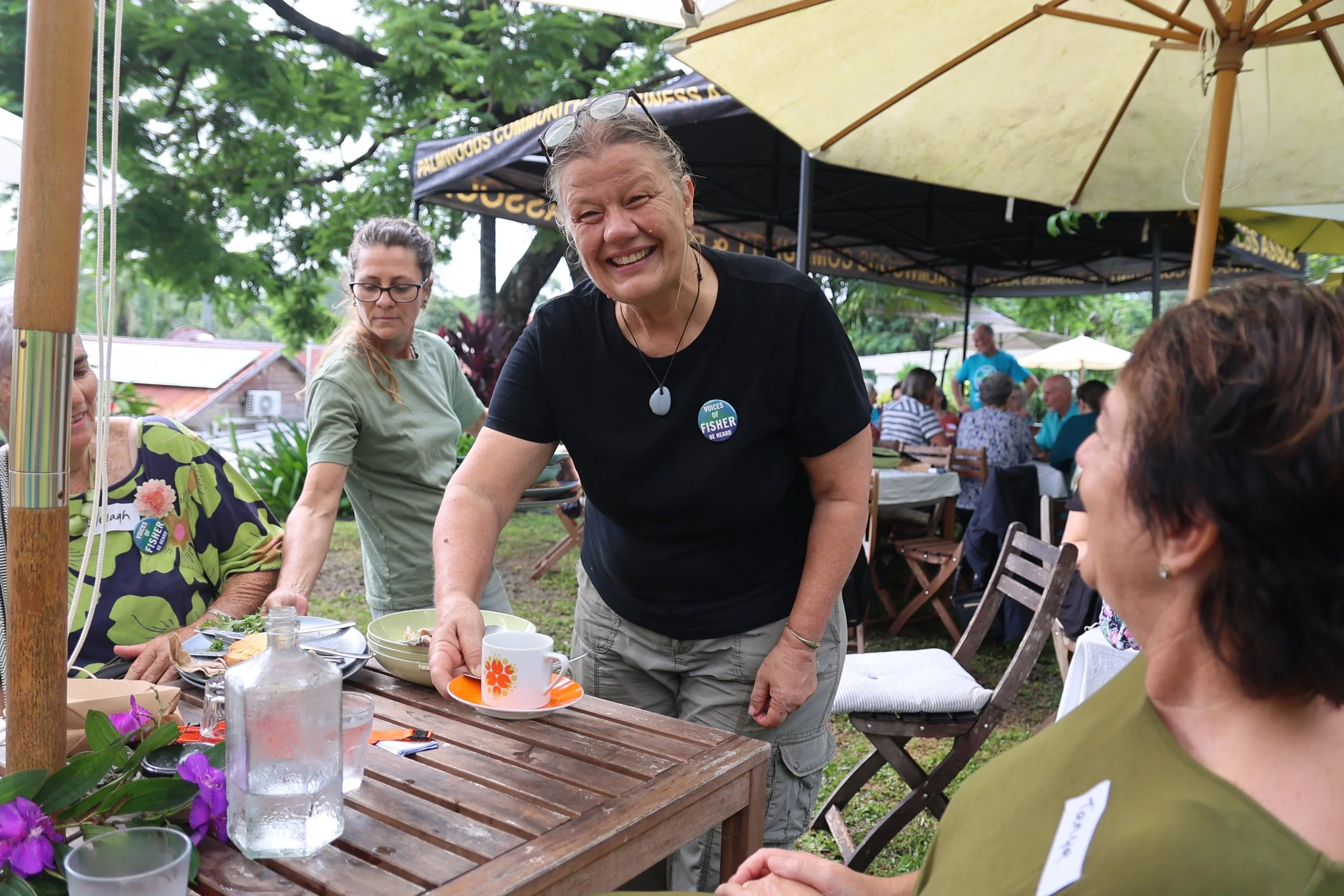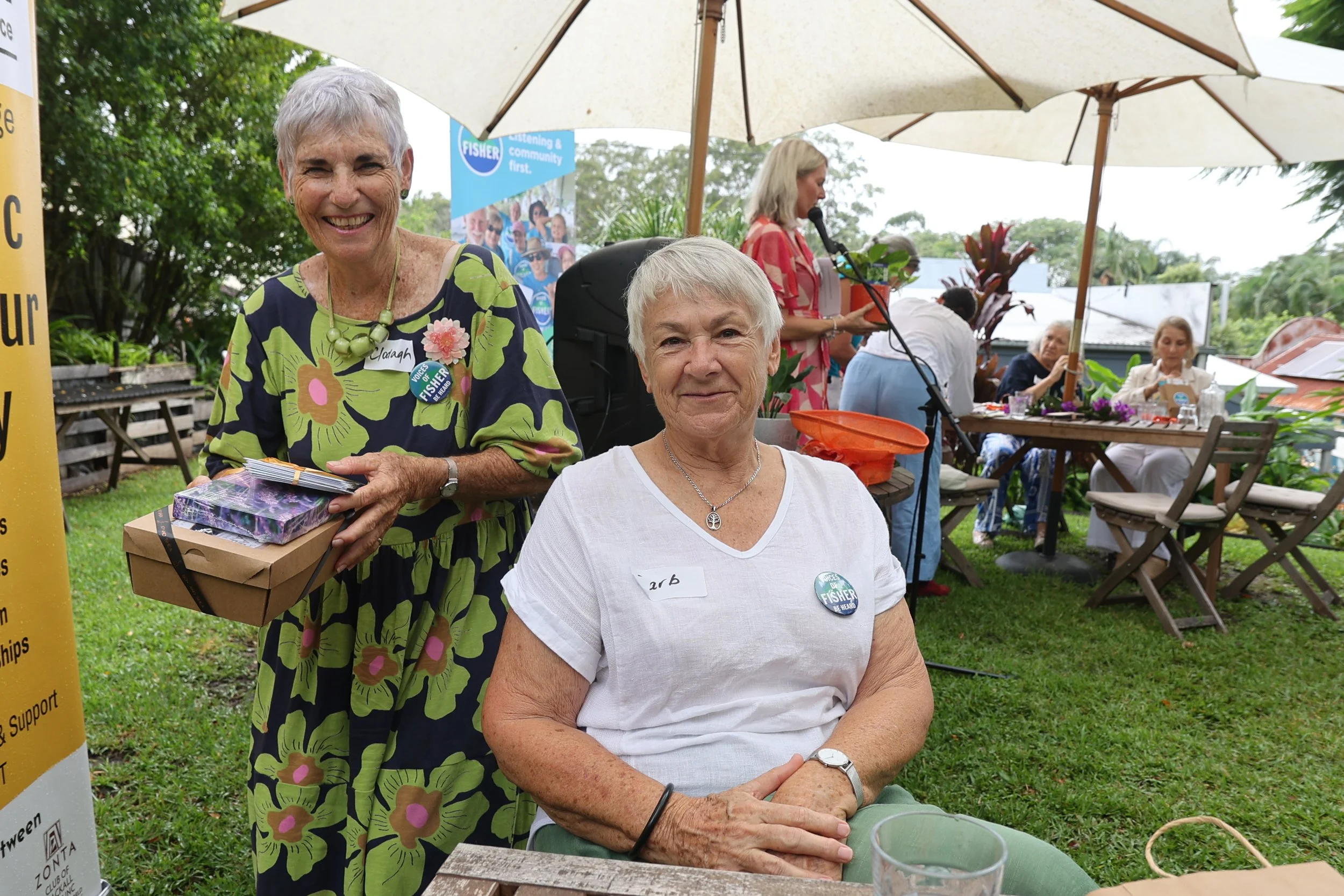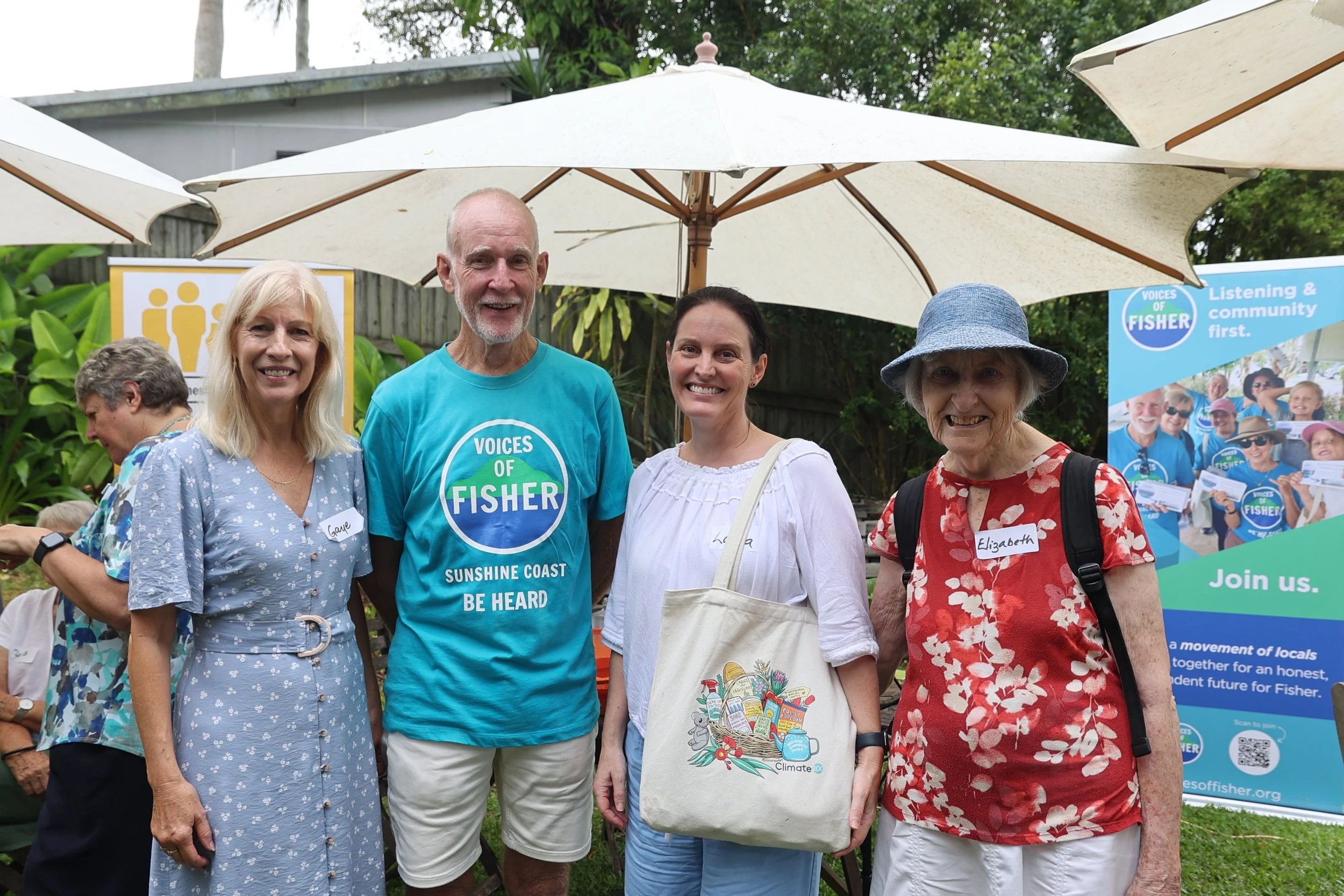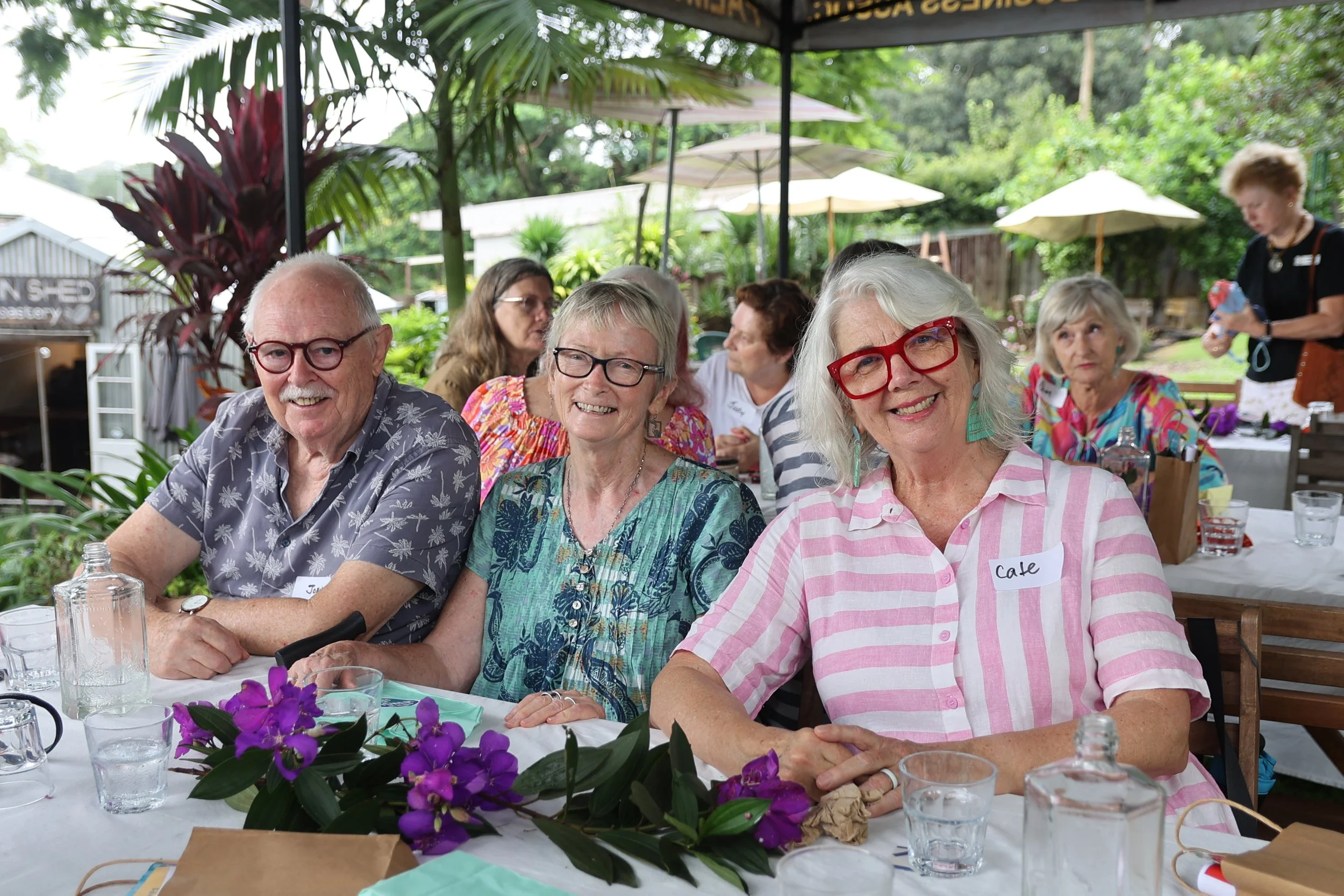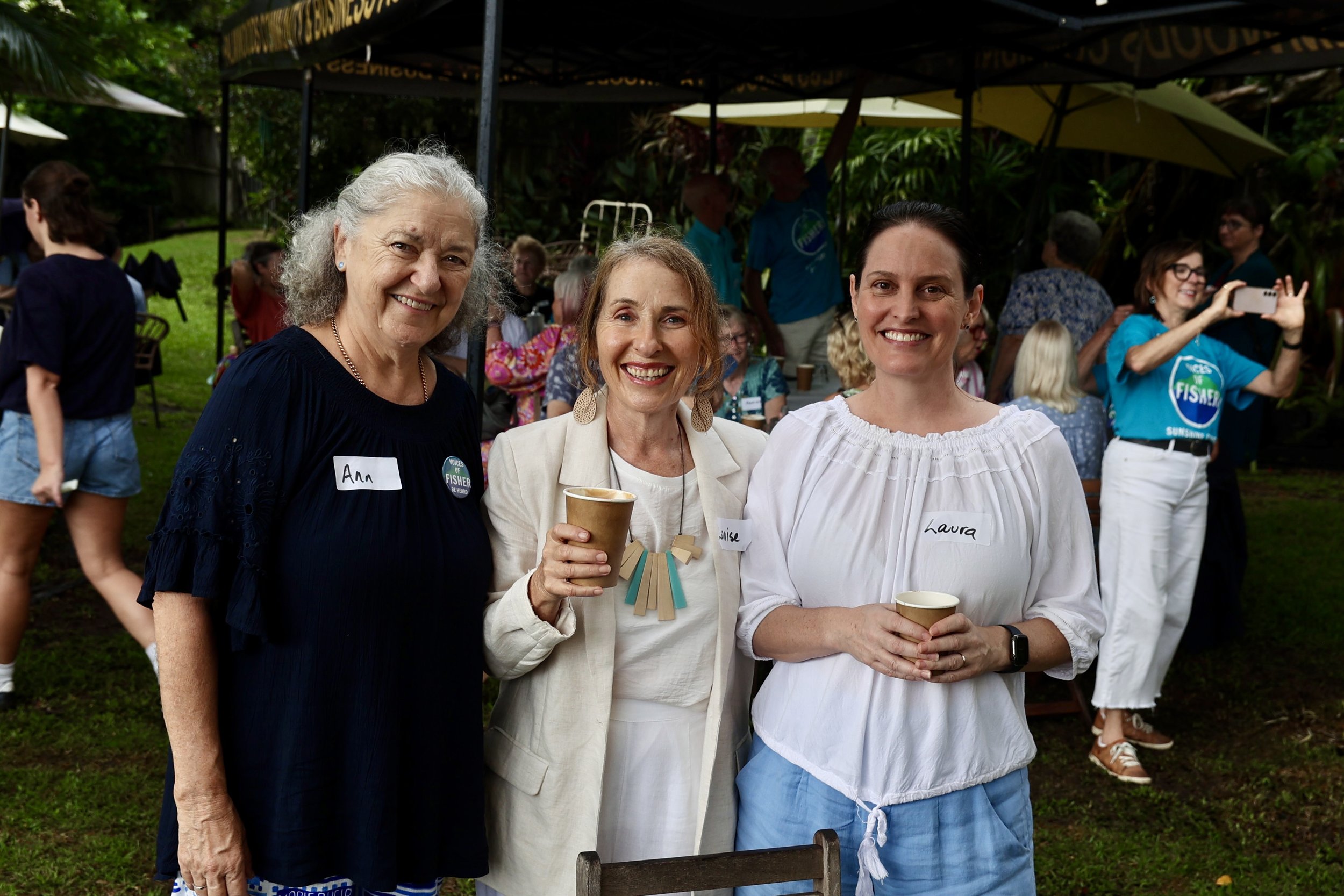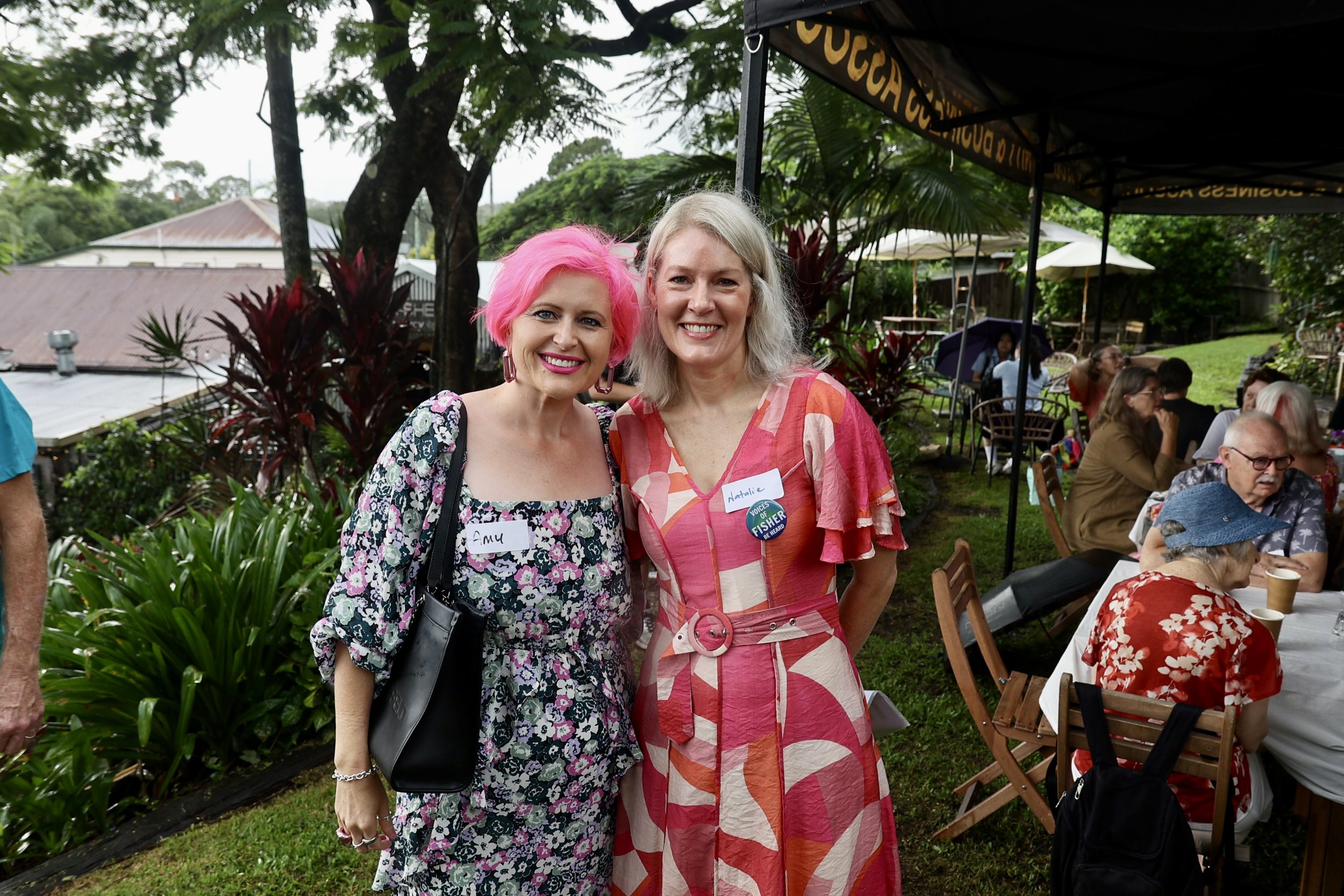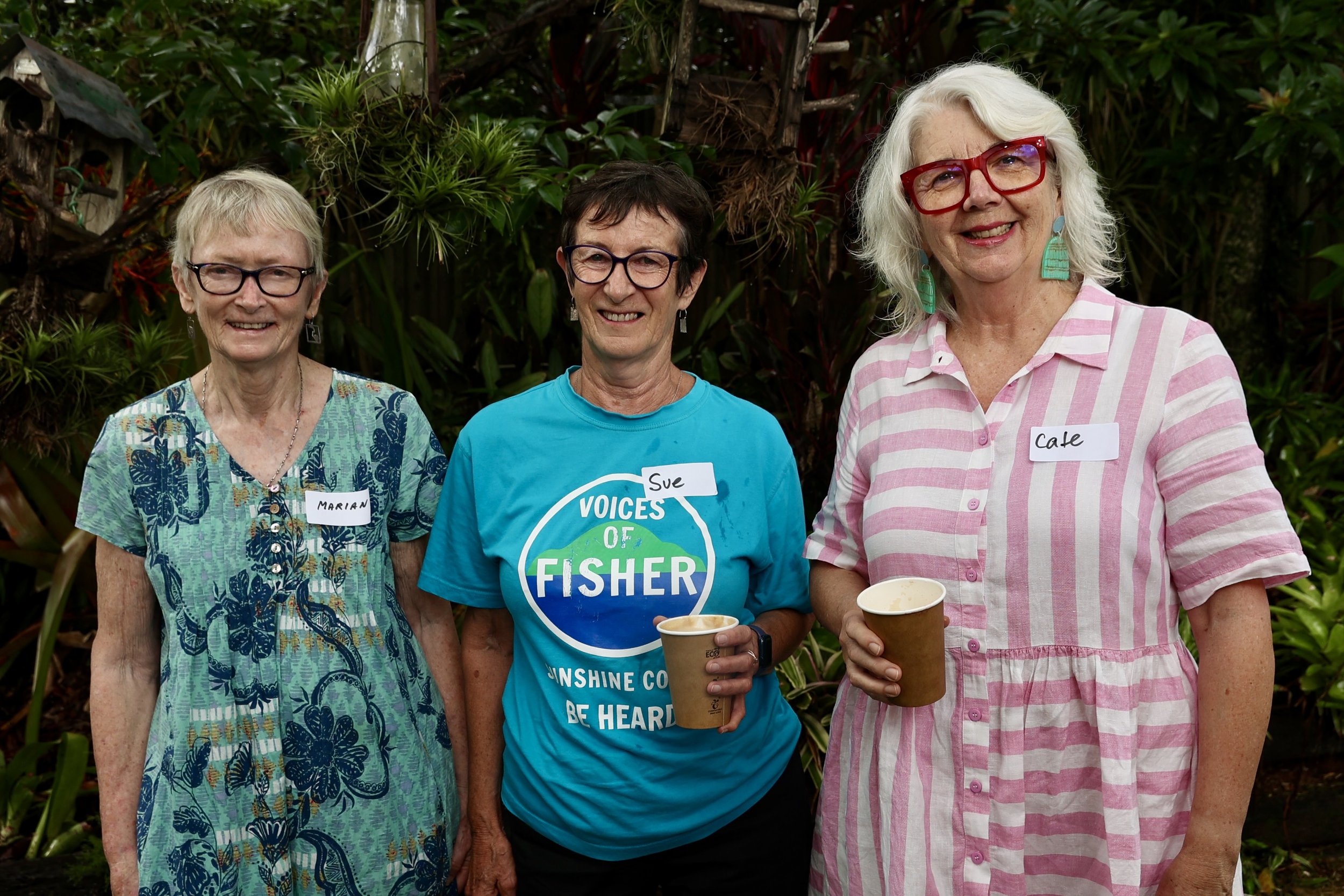
Gallery: Call for stronger community response to domestic violence at Palmwoods breakfast
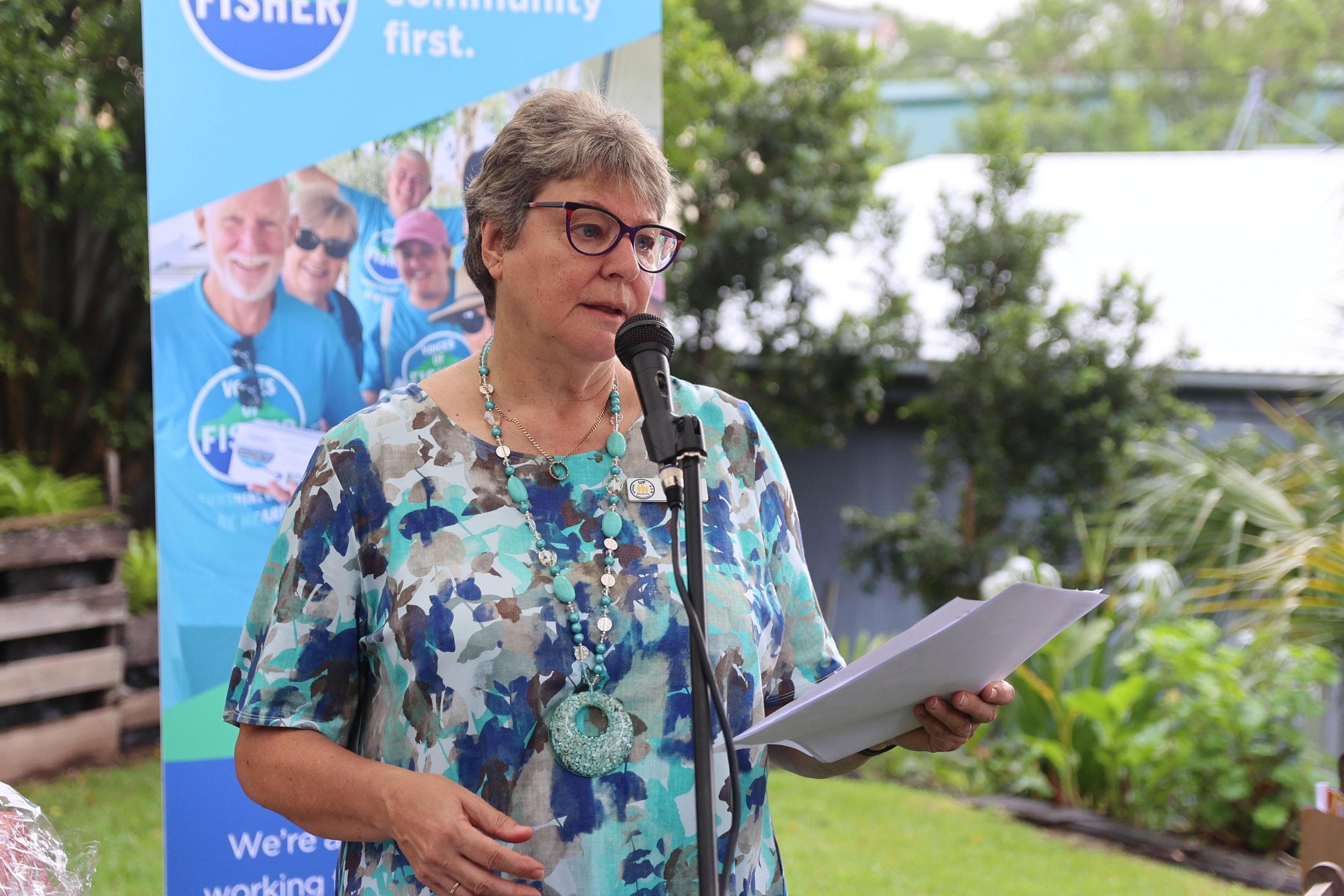
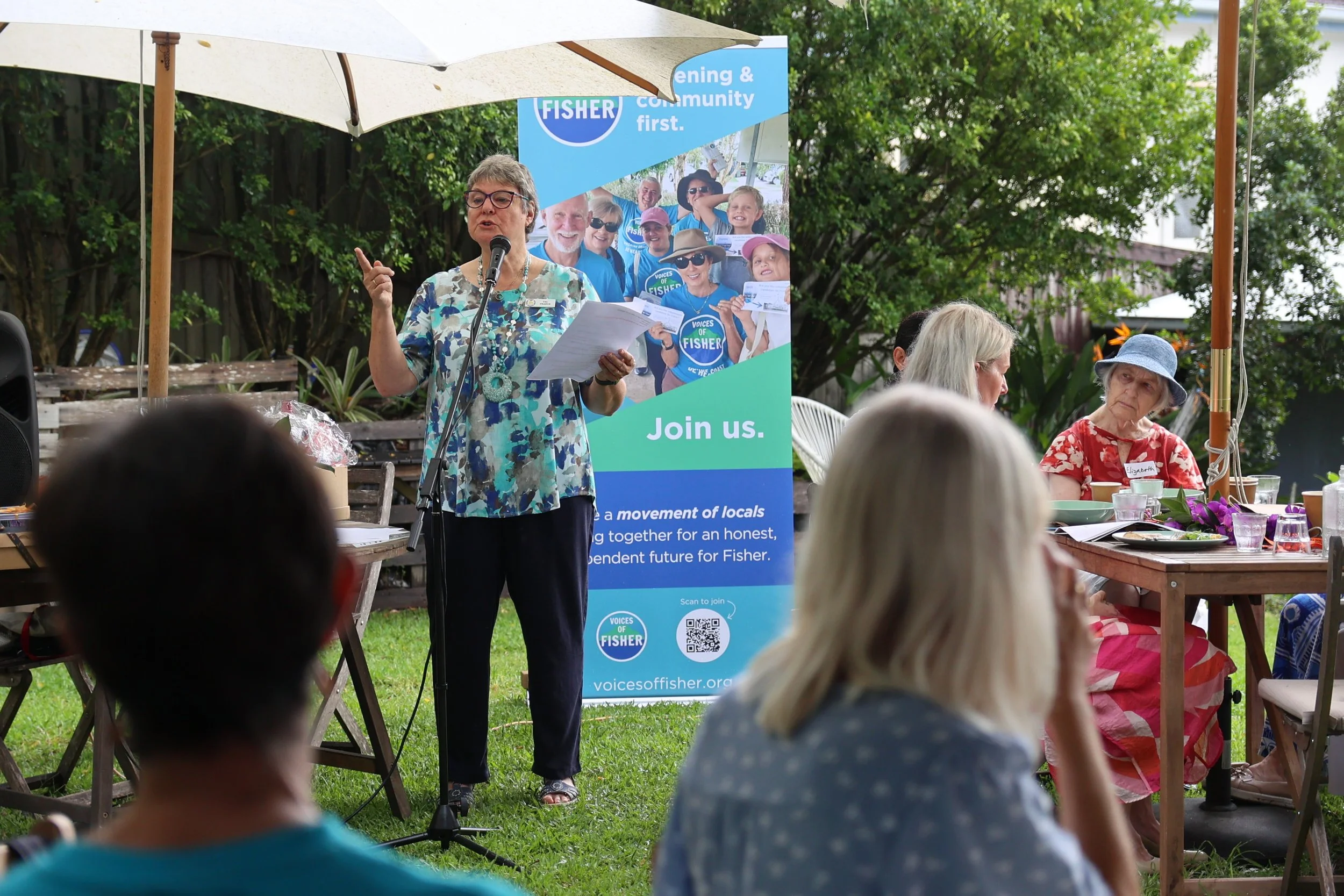
Val France addressing the gathering at Homegrown “Violence grows in silence. It dies in sunlight,” she said. “Women’s safety is not negotiable.”
The scale of domestic and family violence in Australia was laid bare at an International Women’s Day breakfast in Palmwoods, where a local advocate urged the community to speak out and support services working on the frontline.
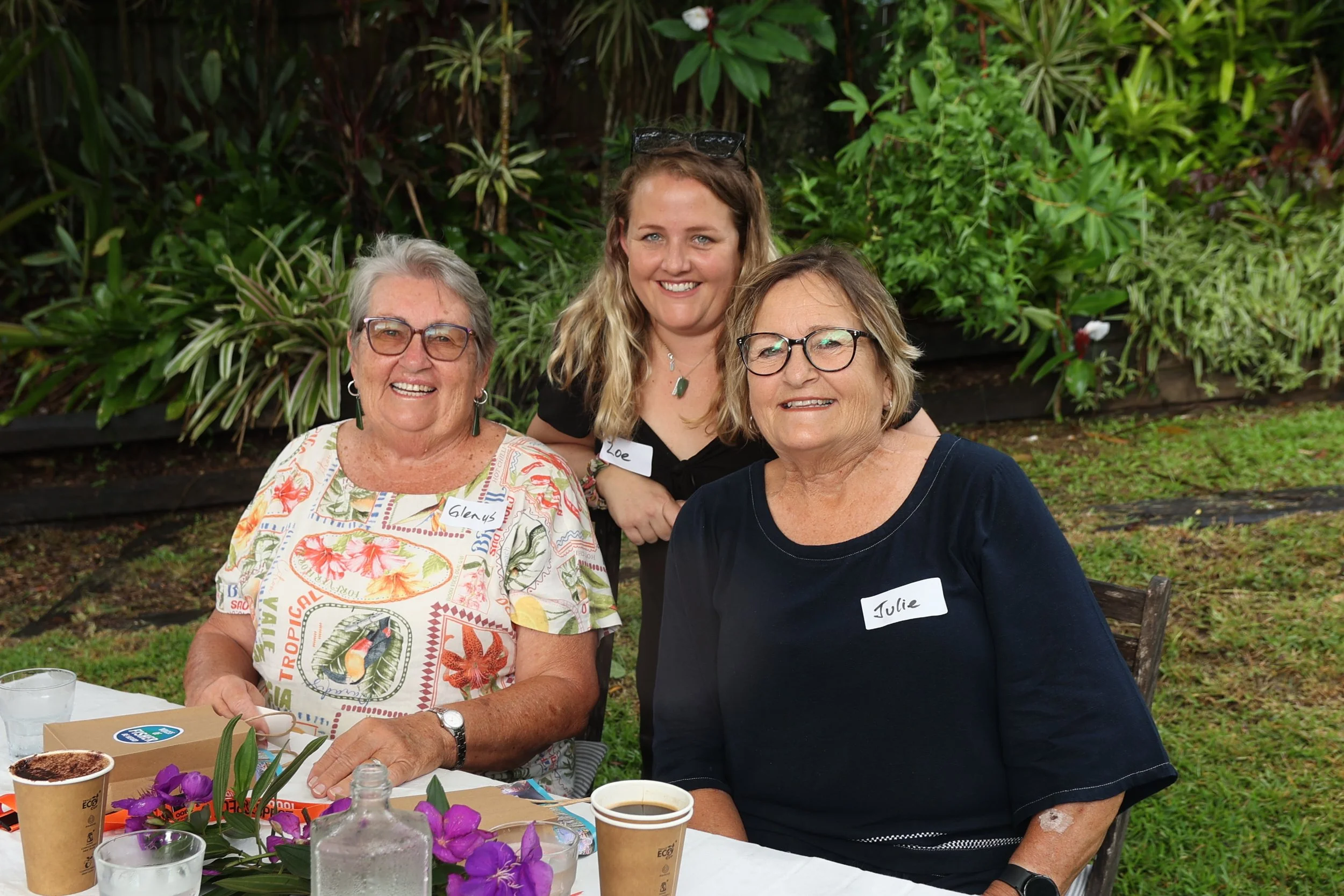
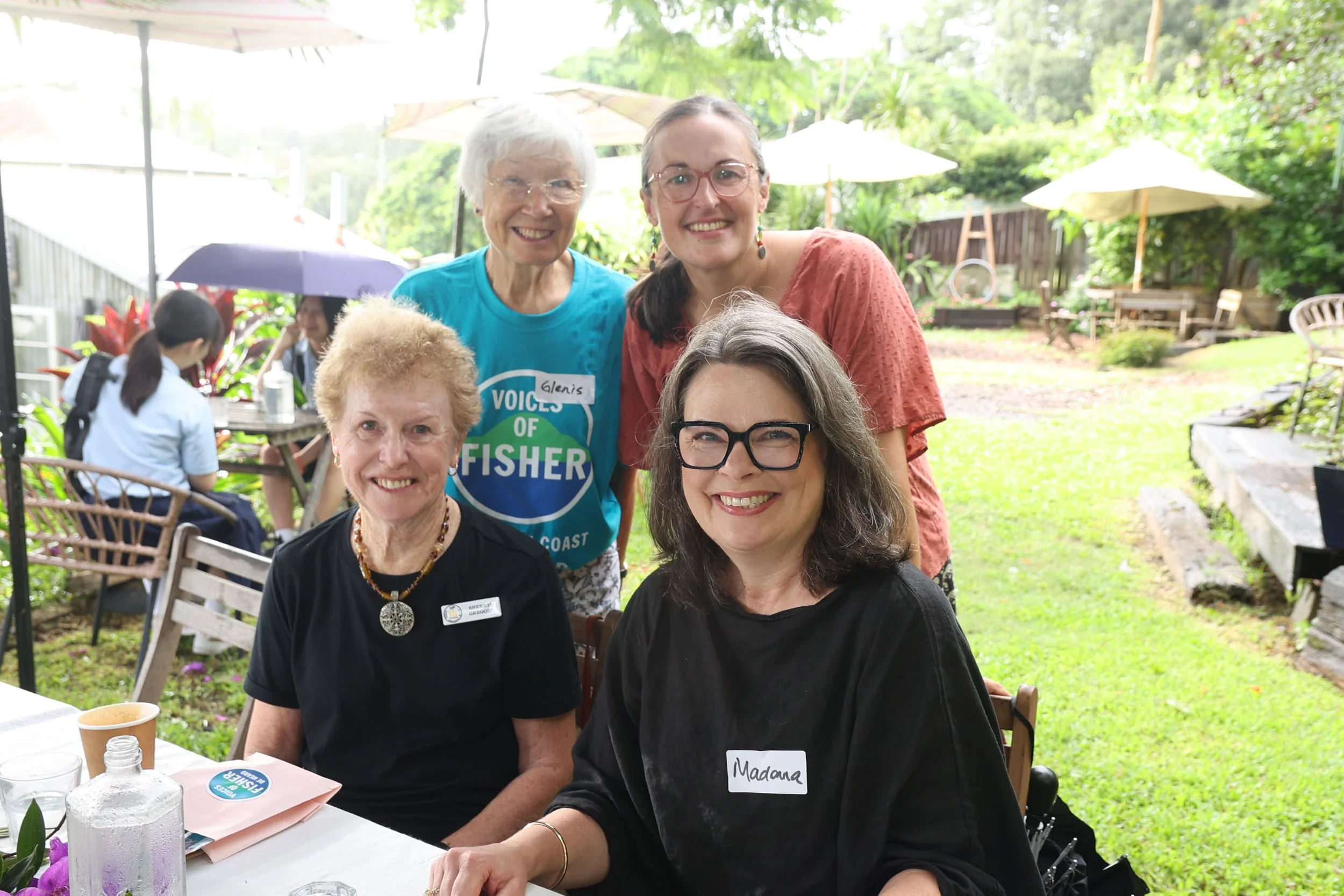
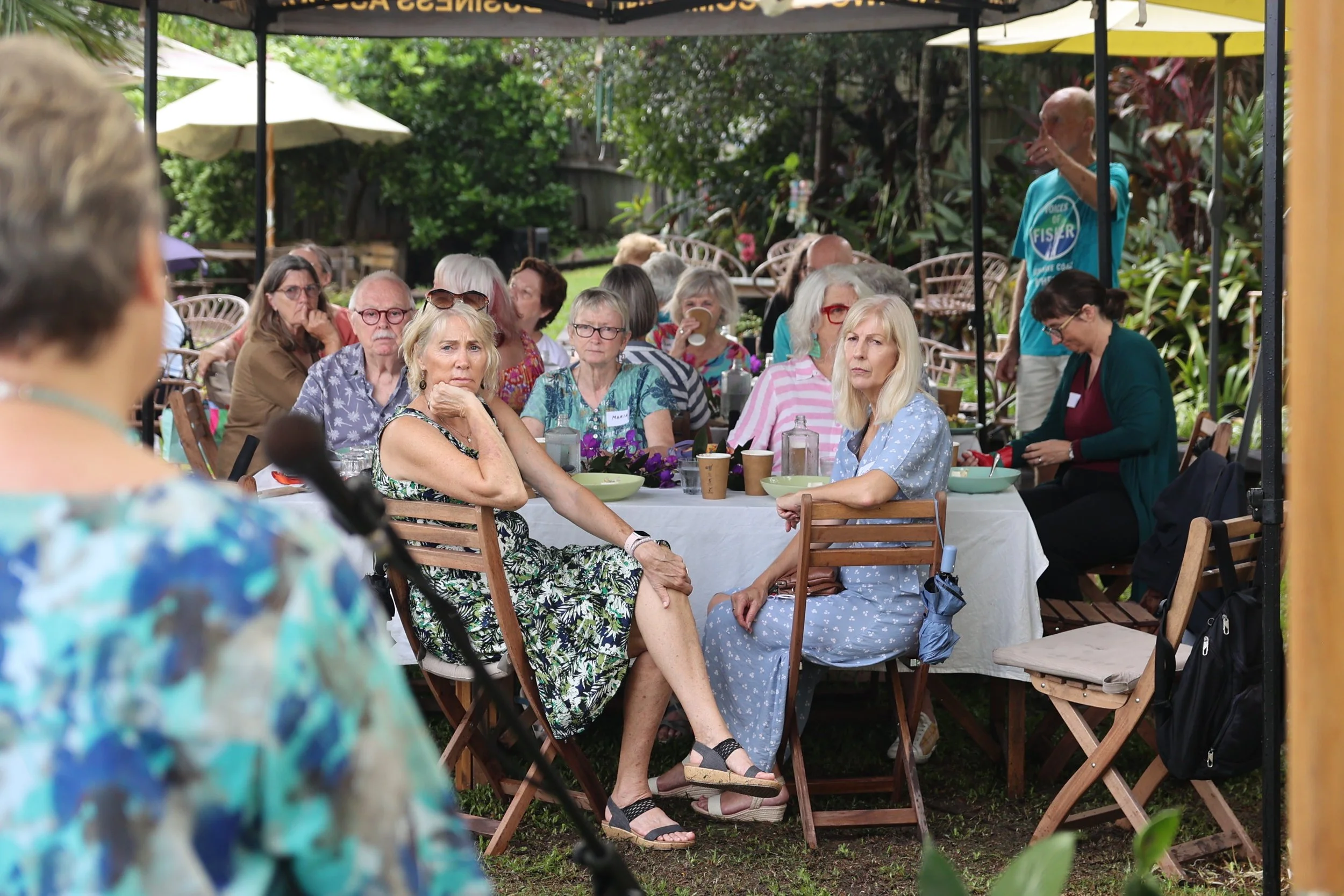
Val France, co-founder of the Maleny and Blackall Range community group Speak Up Now – Stop Domestic & Family Violence, addressed members of Voices for Fisher and guests at Homegrown Cafe, warning that gender equality meant little if women were not safe in their own homes.
“Gender equality is not a slogan. It is not a theme. It is not a poster. It is a fight,” Ms France said. “And right now, in Australia, it is a fight we are losing.”
Ms France told the gathering that domestic and family violence remained a national crisis, noting that more than 70 women and 16 children were killed in Australia last year in incidents linked to domestic violence. “These are not numbers. They are women. They are children. They are elders, LGBTIQ+ community members,” she said. “There are also men, and families all living with fear, coercion and control.”
Drawing on her experience in the domestic violence sector and as a family law lawyer, Ms France said frontline services across Queensland were struggling to keep up with rising demand.
She said police responded to almost 200,000 domestic and family violence incidents in Queensland last year, about one call every two to three minutes.
Locally, neighbourhood centres such as the Maleny Neighbourhood Centre were responding to people in crisis daily, despite not being funded as specialist emergency services. “Neighbourhood centres like ours in Maleny, and across the Sunshine Coast, are responding to crisis every single day,” Ms France said.
She said domestic violence required coordinated responses across police, housing, health services, courts and community organisations. “When services work together, women are safer. When they don’t, women die,” she said.
Ms France also highlighted the role of Queensland Police Vulnerable Persons Units, specialist teams that help manage high-risk domestic violence cases and coordinate responses with local services. “In many communities, including right here on the Sunshine Coast, these teams have become the backbone of coordinated DFV responses,” she said.
While she welcomed recent federal funding announcements for the sector, Ms France said lasting change would require sustained investment, political commitment and community action.
She urged people to learn the warning signs of coercive control, reach out to those they were concerned about and support local services. “Violence grows in silence. It dies in sunlight,” she said. “Women’s safety is not negotiable.”